 (Image via
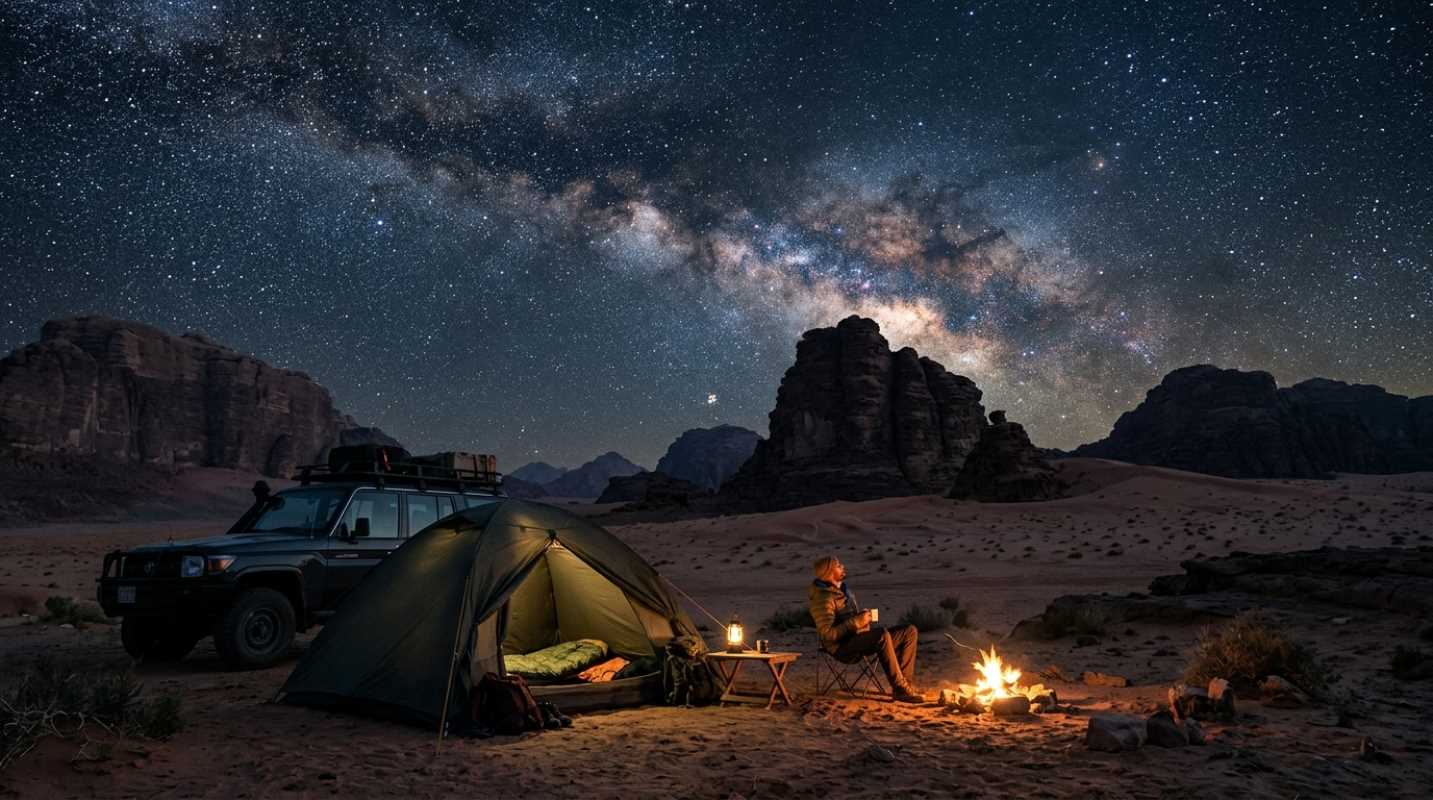
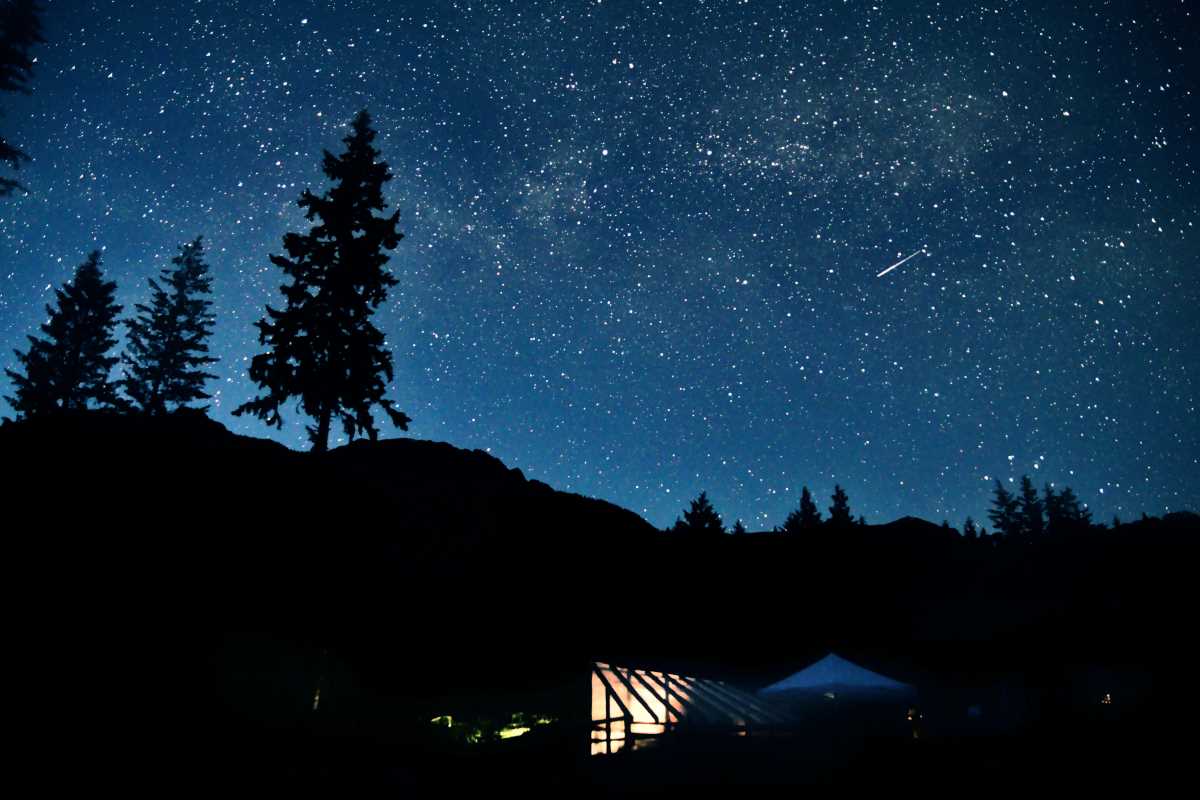
There is a moment, when you are far from the glow of city lights, that you look up and feel a sense of profound vertigo. The night sky stops being a dark blanket with a few pinpricks of light and reveals its true, staggering depth. The Milky Way splashes across the heavens like a river of diamonds. Constellations you could barely make out in the suburbs suddenly pop with startling clarity. You see not just a dozen stars, but thousands, a universe so vast and ancient it puts all your daily worries into perspective.
Unfortunately, this experience is becoming increasingly rare. More than 80% of North Americans live under light-polluted skies, where the celestial light show is washed out by the glare of our own creation. Seeing a truly dark sky now requires a pilgrimage. It requires seeking out those remote, protected corners of the country where the darkness is preserved as a precious natural resource.
Thankfully, a growing movement to protect our night skies has led to the designation of International Dark Sky Parks and Sanctuaries. These are places where the commitment to minimizing light pollution allows the cosmos to shine in its full, unadulterated glory. If you are ready to trade streetlights for starlight, here are some of the absolute best spots in the U.S. to witness the spectacle of the night sky.
The Desert Sanctuary Of Big Bend National Park
Everything is bigger in Texas, and that includes the sky. Tucked away in a remote corner of West Texas, hugging the Rio Grande, Big Bend National Park has the least light pollution of any national park in the lower 48 states. This isn't just a place to see a few more stars; it is a place to see the cosmos in high definition. On a clear, moonless night, you can see an estimated 2,000 stars with the naked eye, along with planets, meteors, and the faint, ghostly light of distant galaxies.
The park’s remote location and the sparse population of the surrounding Chihuahuan Desert create a perfect recipe for darkness. The dry desert air also contributes to exceptional clarity, making it a favorite destination for both amateur and professional astronomers. You don’t need a telescope to be amazed here, just a camp chair and a willingness to crane your neck. The sheer scale of the Milky Way as it rises over the Chisos Mountains is a sight that borders on a spiritual experience.
The park fully embraces its dark sky status. Rangers often lead night sky programs, pointing out constellations and sharing stories of the stars. Because the park is so massive, it’s easy to find a secluded spot to set up a camera for astrophotography or simply lay on a blanket and get lost in the view. It’s a journey to get here, but the celestial payoff is immeasurable.
The High-Altitude Clarity Of Great Basin National Park
Nevada is known for the bright lights of Las Vegas, but head to the eastern edge of the state, and you will find one of the darkest places in the country. Great Basin National Park is a land of extremes. It is home to ancient bristlecone pines, the highest peak entirely within Nevada, and a stunningly dark night sky. Its high elevation and dry, stable air provide some of the most transparent and steady viewing conditions imaginable.
The park’s slogan could be "Half the Park is After Dark," and they take it seriously. Great Basin was one of the first parks to be designated an International Dark Sky Park, and its commitment to stargazing is evident. The park hosts an annual Astronomy Festival, drawing enthusiasts from all over the world, and offers regular ranger-led stargazing programs with powerful telescopes.
Here are a few reasons why Great Basin is a stargazer's paradise:
- High Elevation: Much of the park is over 6,000 feet, putting you above a significant portion of the Earth’s atmosphere.
- Low Humidity: The dry desert air means less moisture to distort the starlight.
- Extreme Remoteness: Located far from any major urban center, the park is an island of true darkness.
- Astronomy Programs: The park provides telescopes and expert guidance, making astronomy accessible to everyone.
From the top of Wheeler Peak or the quiet solitude of a backcountry campsite, the stars here don't just twinkle; they burn with a fierce, steady intensity.
The Island Isolation Of Acadia National Park
You don't have to go out west to find dark skies. On the coast of Maine, Acadia National Park offers some of the best stargazing on the entire Eastern Seaboard. While the northeastern corridor is one of the most light-polluted regions in the world, this rugged island park serves as a bastion of natural darkness. The cold Atlantic Ocean provides a protective barrier against the light domes of Boston and New York, preserving a sky that has been lost to most of the East Coast.
The landscape itself enhances the experience. Imagine watching a meteor shower from the top of Cadillac Mountain, the highest point on the North Atlantic seaboard, with the silhouettes of pine-studded islands below you. Or picture the Milky Way reflecting in the calm waters of Jordan Pond. The combination of dark skies and dramatic coastal scenery makes Acadia a uniquely beautiful place to observe the night.
The community around the park is also dedicated to preservation. The park hosts the Acadia Night Sky Festival each year, a celebration of stargazing that includes workshops, talks, and viewing parties. It is a testament to the idea that even in a crowded part of the country, darkness is a resource worth fighting for. For easterners who have never seen the Milky Way with their own eyes, Acadia is an accessible and unforgettable destination.
The Otherworldly Darkness Of Death Valley National Park
As the largest International Dark Sky Park in the world, Death Valley offers a stargazing experience that is as extreme as its daytime temperatures. This is a place of profound silence and darkness. The park's vastness and its location within a basin surrounded by high mountains create an almost perfect shield from distant city lights. The result is a night sky of surreal clarity and depth.
Stargazing in Death Valley feels like stepping onto another planet. The strange, alien landscapes, like the salt flats of Badwater Basin or the colorful hills of Artist's Palette, provide an incredible foreground for astrophotography. Lying on your back at the Mesquite Flat Sand Dunes, with nothing but sand and stars around you, is a humbling and awe-inspiring experience. The air is so clear that the zodiacal light, a faint pyramid of light caused by sunlight scattering off dust in the solar system, is often visible after sunset.
Because it is a desert, the best times to visit for stargazing are in the fall, winter, and spring, when the nighttime temperatures are comfortable. The park offers regular night sky programs at the Furnace Creek visitor center, but the real magic lies in finding your own spot in the immense wilderness and having the universe all to yourself.
The Pristine Wilderness Of Central Idaho Dark Sky Reserve
For the truly dedicated dark sky seeker, nothing compares to an officially designated Dark Sky Reserve. The Central Idaho Dark Sky Reserve was the first of its kind in the United States, a 1,400-square-mile swath of wilderness encompassing the Sawtooth National Recreation Area. This isn't just a park; it is a massive, protected landscape where the communities within it have committed to responsible lighting practices to preserve the pristine darkness.
This area is one of the few remaining large pools of natural darkness left in the country. The air quality is superb, and the population density is incredibly low. This is a rugged, wild place, and the stargazing is equally untamed. The jagged peaks of the Sawtooth Mountains create a dramatic silhouette against a sky teeming with stars. In the summer, you can camp beside an alpine lake like Redfish Lake and watch the Milky Way rise over the granite spires.
Because it is a reserve, the experience extends beyond park boundaries. The towns of Ketchum, Sun Valley, and Stanley have all adopted dark sky ordinances, meaning you can get a great view even from the edge of town. It is a holistic approach to preservation that ensures this corner of Idaho will remain a sanctuary for stargazers for generations to come. It’s a bit of a trek to get there, but for those who want to see a sky as it looked 100 years ago, there is no better place in America.