There is a specific kind of magic that happens when you step out of your car and into a national park. The air smells different, cleaner, sharper, usually tinged with pine or sagebrush. The noise of traffic and deadlines fades into the background, replaced by the rush of wind through canyons or the distant bugle of an elk. It is a reminder that the world is vast, ancient, and indifferent to your unread emails.
The United States boasts 63 national parks, each a distinct jewel in the crown of public lands. While staples like Yellowstone and the Grand Canyon are justifiably famous, they can also feel more like theme parks during peak season, complete with traffic jams and jostling crowds. If you are looking to reconnect with nature this year, you need a mix of icons and hidden gems, places that offer spectacular scenery without requiring you to throw elbows to get a view.
Visiting a national park is about more than just checking a box on a list; it is about immersion. It is about waking up before dawn to catch the alpenglow on a granite peak, hiking until your legs burn in the best possible way, and realizing just how small you are in the grand scheme of things. Whether you crave desert solitude, alpine grandeur, or coastal fog, there is a park calling your name. Here are five national parks that deserve a spot on your itinerary this year.
The Alpine Wonderland Of North Cascades
If you want the jagged, snow-capped drama of the Swiss Alps without the trans-Atlantic flight or the expensive fondue, North Cascades National Park in Washington state is your answer. It is one of the least visited parks in the system, which is baffling given that it contains over 300 glaciers, more than any other park in the lower 48 states. This is a wilderness in the truest sense of the word, a landscape so rugged and vertical that a highway wasn't even built through it until 1972.
The park is a paradise for hikers who aren't afraid of elevation gain. The trails here don't mess around; they go up, often straight up, rewarding your sweat with turquoise alpine lakes and meadows exploding with wildflowers. The Diablo Lake Overlook offers a view so stunningly blue it looks like someone dumped a tanker of food coloring into the water (it is actually glacial flour, suspended rock particles that refract light).
For those who prefer to experience nature from the water, Ross Lake offers a unique perspective. You can rent a boat or kayak and paddle into the heart of the mountains, finding secluded campsites that are only accessible by water. The silence here is profound, broken only by the splash of your paddle or the cry of an osprey. It is a place that feels untamed, a reminder of what the Pacific Northwest looked like before Starbucks and software giants moved in.
The Geologic masterpiece Of Capitol Reef
Utah's "Mighty 5" get a lot of attention, with Zion and Arches drawing massive crowds. But tucked away in the middle of the state lies Capitol Reef, a park that offers equally mind-bending geology with a fraction of the visitors. The park is defined by the Waterpocket Fold, a literal wrinkle in the earth's crust that stretches for nearly 100 miles. It is a landscape of red rock cliffs, white Navajo sandstone domes, and twisting canyons that feel like walking on Mars.
What sets Capitol Reef apart is its human history. The park preserves the Fruita Historic District, a settlement founded by Mormon pioneers in the 1880s. You can wander through historic orchards containing thousands of cherry, apricot, peach, and apple trees. If you visit in season, you can even pick the fruit yourself. Eating a fresh peach in the shadow of a towering red cliff is a surreal and delightful experience.
The hiking here is diverse and accessible. Trails like Hickman Bridge take you to impressive natural arches, while the Grand Wash trail lets you walk through a deep, narrow canyon without any technical climbing gear. For the adventurous, the Cathedral Valley loop offers a rugged backcountry drive past monoliths like the Temples of the Sun and Moon, giant sandstone structures rising from the desert floor in splendid isolation.
The Foggy Majesty Of Channel Islands
Just off the coast of Southern California, visible from the busy beaches of Ventura and Santa Barbara, sits a chain of five islands that feel a world away from the Los Angeles sprawl. Channel Islands National Park is often called the "Galapagos of North America" due to its incredible biodiversity. Because these islands have been isolated from the mainland for thousands of years, unique species have evolved here that exist nowhere else on Earth, including the adorable island fox.
Getting here is part of the adventure. You have to take a ferry across the Santa Barbara Channel, a journey that often includes sightings of dolphins, sea lions, and migrating whales. Once you land, you are on your own. There are no hotels, no restaurants, and no trash cans. You pack in everything you need, and you pack out everything you create. This isolation preserves the islands' rugged beauty and sense of wildness.
The activities here are aquatic and terrestrial in equal measure.
Here is why Channel Islands is a must-visit destination:
- World-Class Kayaking: explore some of the largest sea caves in the world at Scorpion Anchorage on Santa Cruz Island.
- Unique Wildlife Viewing: spot the island scrub-jay and the island fox, species found only in this park.
- Pristine Kelp Forests: snorkel or dive in rich underwater ecosystems teeming with bright orange Garibaldi fish.
- Solitude: hike along windswept bluffs with nothing but the sound of the ocean and the wind for company.
The Swampland Cathedral Of Congaree
When people think of national parks, they usually picture mountains or deserts. But deep in South Carolina lies a different kind of wilderness: the largest intact expanse of old-growth bottomland hardwood forest remaining in the southeastern United States. Congaree National Park is a lush, verdant world of towering champion trees, dark waters, and a canopy so thick it filters the sunlight into a green haze.
This is a park best explored by canoe or kayak. Paddling Cedar Creek takes you through a primeval landscape where bald cypress trees rise from the water like ancient columns, their "knees" poking up through the dark surface. It feels prehistoric, a place where you half-expect a dinosaur to wade out from behind a massive tupelo tree. The water moves slowly here, encouraging a meditative pace.
For those who prefer dry land, the famous Boardwalk Loop Trail offers an easy, accessible way to walk right into the heart of the swamp without getting your feet wet. It is an incredible place for birdwatching, with woodpeckers, owls, and warblers flitting through the dense foliage. Congaree also hosts a rare natural phenomenon: synchronous fireflies. for a few weeks in late spring, thousands of fireflies light up in unison, creating a pulsating light show that attracts visitors from around the globe.
The Volcanic wonderland Of Lassen Volcanic
California has no shortage of famous parks, which is perhaps why Lassen Volcanic National Park often flies under the radar. Located at the southern end of the Cascade Range, this park is a geologic powerhouse. It is one of the few places in the world where you can see all four types of volcanoes: plug dome, shield, cinder cone, and composite. The centerpiece is Lassen Peak, which last erupted in 1915 and still dominates the skyline.
The park feels like a smaller, quieter version of Yellowstone. It is alive with hydrothermal activity. At Bumpass Hell (named after an unfortunate pioneer who fell into a boiling pool), you can walk on a boardwalk over hissing steam vents, bubbling mud pots, and turquoise pools that smell strongly of sulfur. It is a visceral reminder that the earth beneath our feet is hot and restless.
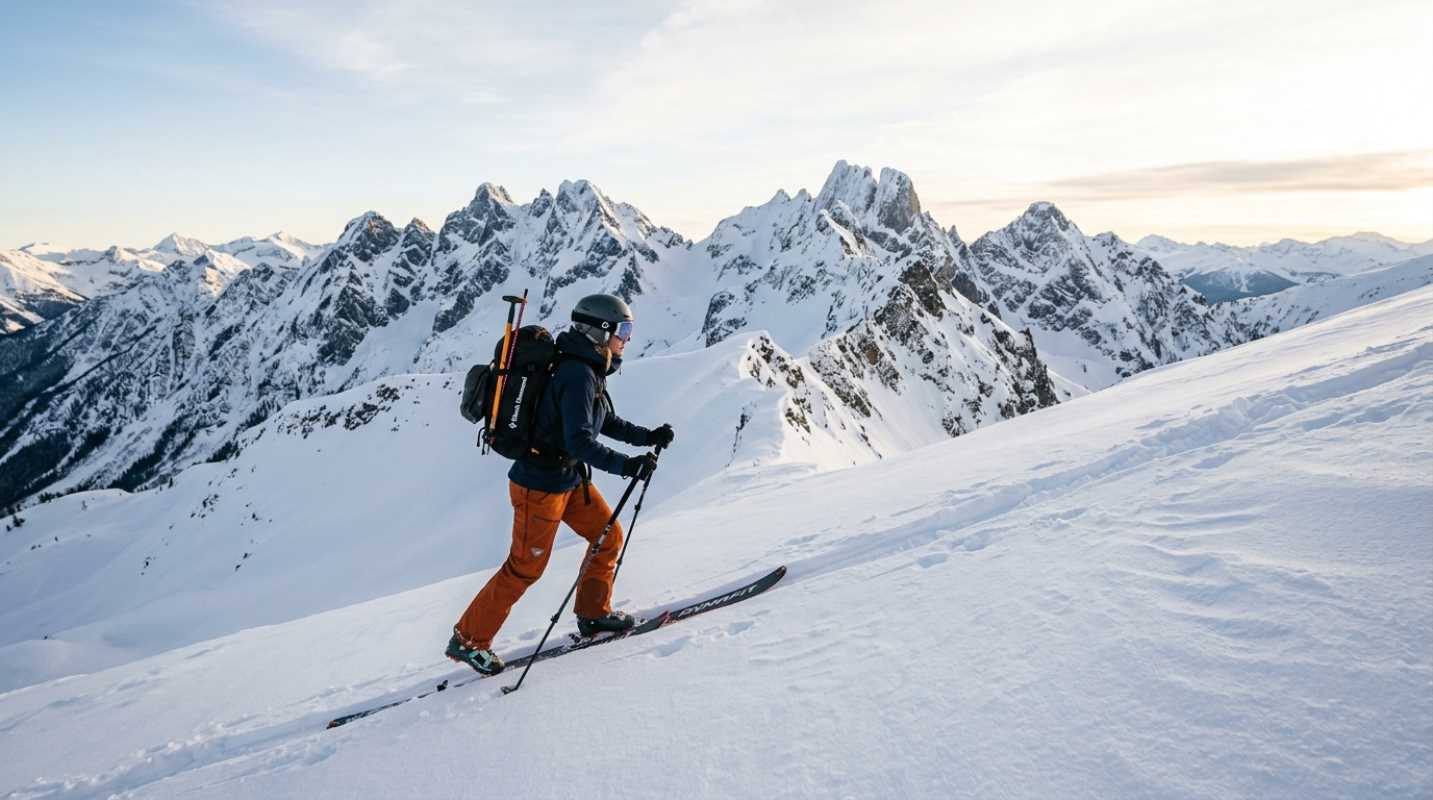
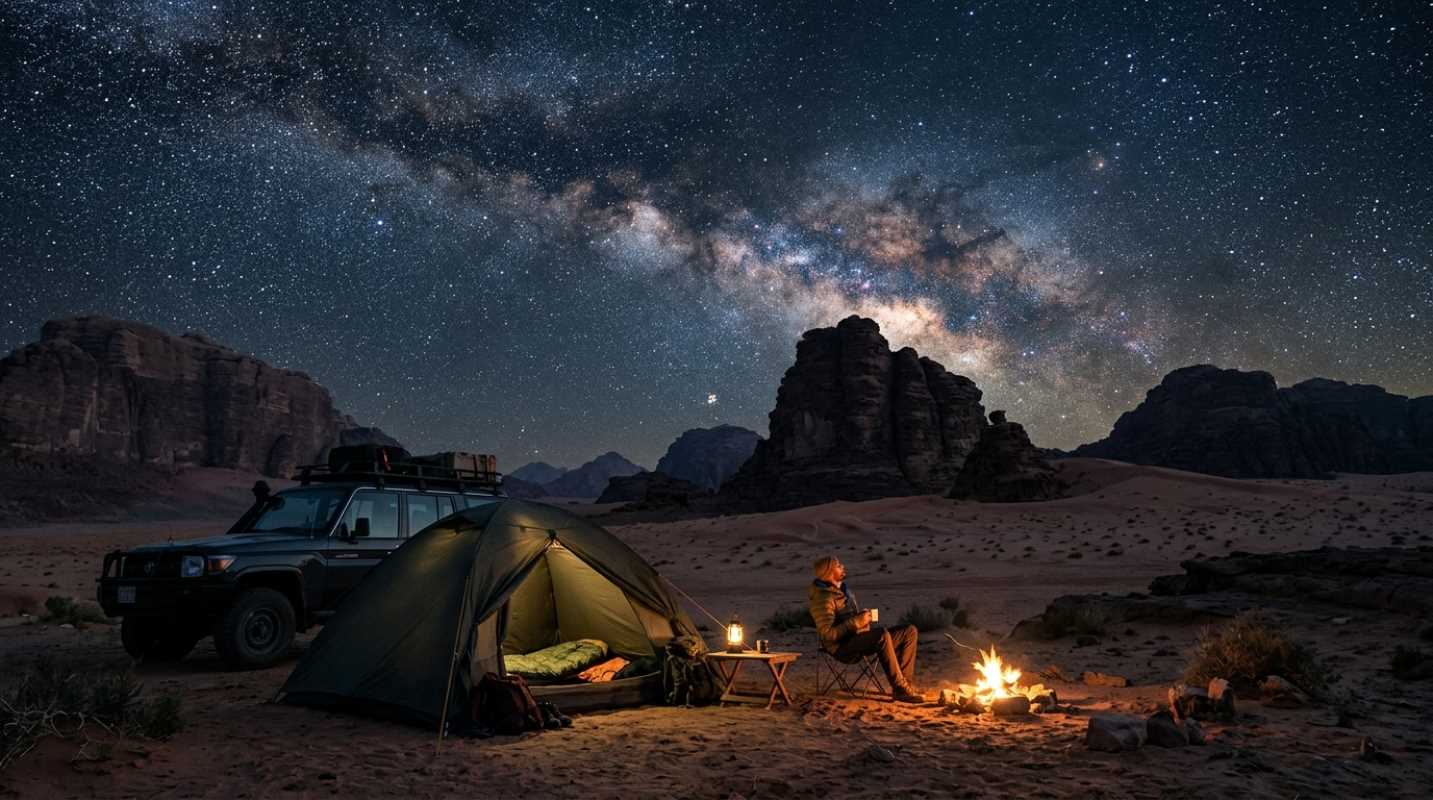
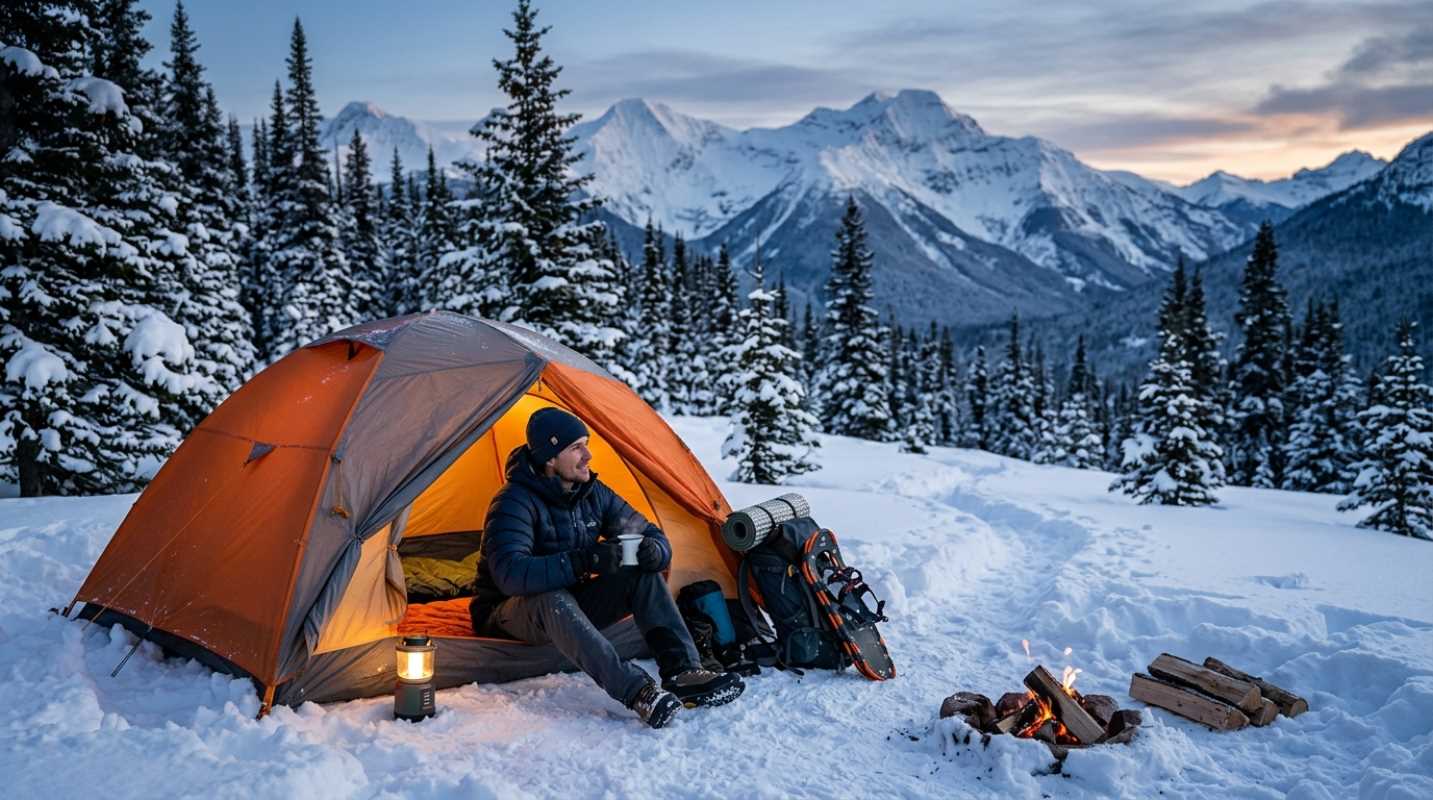
Beyond the volcanic features, Lassen is a stunning alpine park. It boasts crystal-clear mountain lakes like Manzanita Lake, perfect for kayaking and photography, and dark, star-filled skies that make it a premier destination for astronomy buffs. The hiking trails range from gentle strolls around lakes to the strenuous climb up Lassen Peak itself, which offers panoramic views stretching all the way to Mount Shasta. In the winter, the park transforms into a snowy playground for snowshoeing and backcountry skiing, free from the crowds of Tahoe.
These parks offer a chance to escape the noise of modern life and reconnect with the raw, untamed beauty of the natural world. They remind us that there are still places where the land is wild, the water is clean, and the only notifications you receive are from the wind and the birds. So pack your bags, lace up your boots, and go find your own slice of wilderness this year.