 (Image via
Glacier National Park is often called the Crown of the Continent, a breathtaking expanse of carved peaks, pristine alpine lakes, and dense forests that sits high in the Montana Rockies. For many, visiting this bucket-list destination feels like an expensive dream, conjuring images of pricey lodges and expensive guided tours. However, witnessing the majesty of melting glaciers and spotting grizzly bears in the wild doesn't have to drain your savings account. With a bit of strategic planning and a willingness to embrace simplicity, you can experience the full grandeur of this national treasure without breaking the bank.
The secret to a budget-friendly trip lies in prioritizing nature over luxury and timing your visit carefully. Glacier offers an abundance of free activities because the main attraction is the landscape itself, which costs nothing extra to enjoy once you are inside the park gates. By making smart choices about where you sleep, how you get around, and what you eat, you can stretch your travel dollars significantly further. This guide outlines five practical ways to explore Glacier National Park affordably, ensuring that your memories are rich even if your spending is modest.
Camp Inside the Park for Maximum Savings
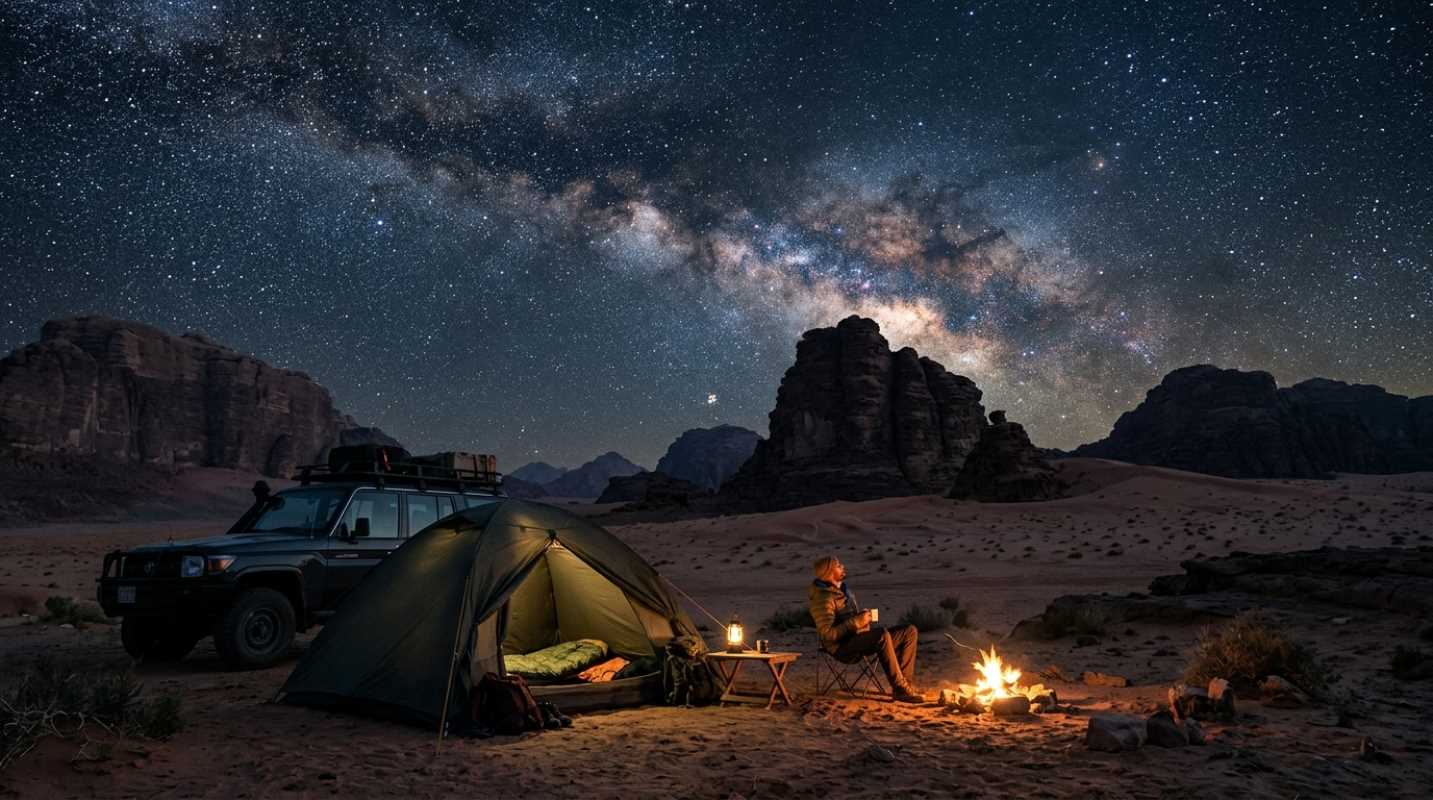
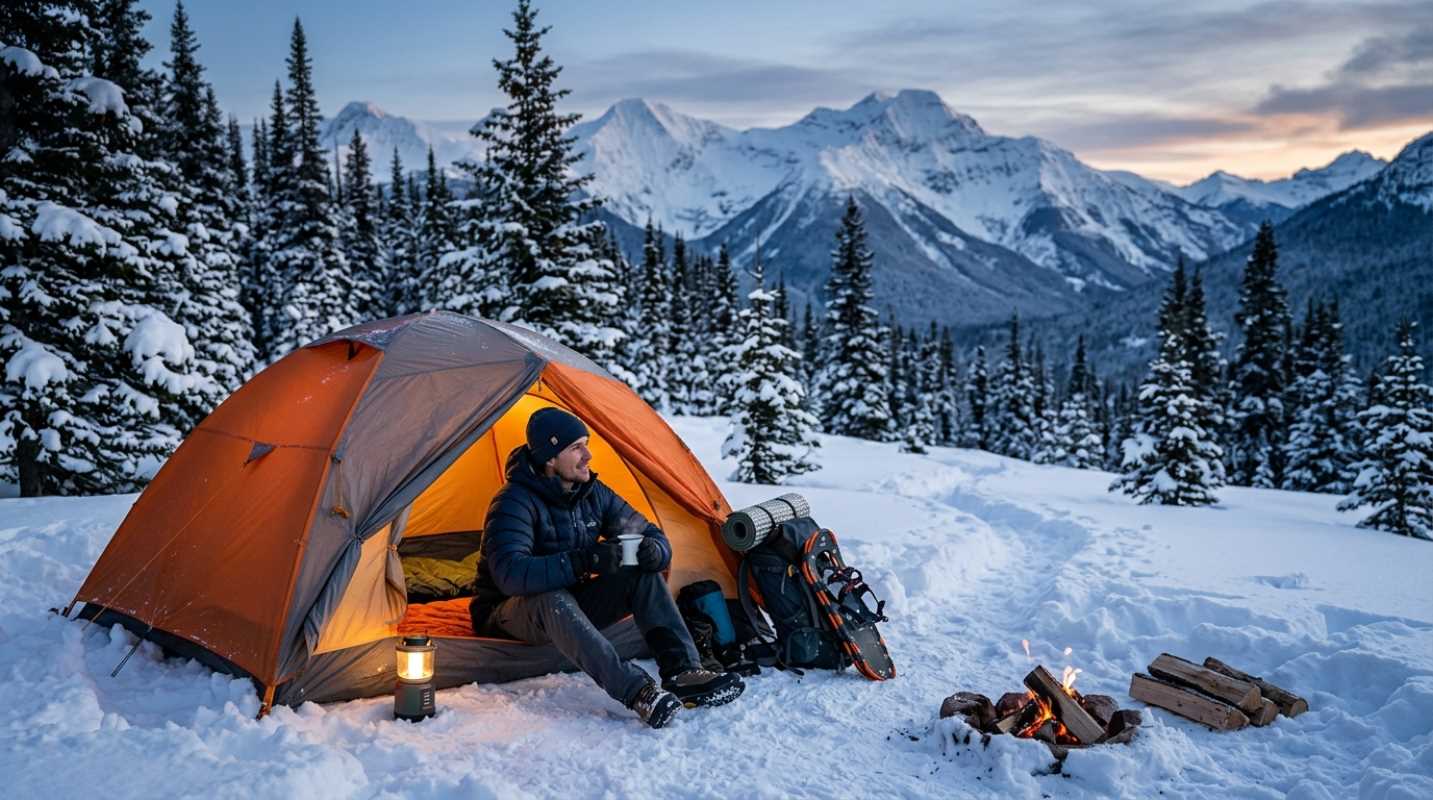
Staying at one of the park’s campgrounds is significantly cheaper than booking a hotel room in nearby towns like Whitefish or Kalispell. Glacier National Park offers several campgrounds, such as Apgar, Avalanche, and Many Glacier, which place you directly in the heart of nature for a fraction of the cost of a lodge. Waking up to the sound of birds and the scent of pine needles is an experience that expensive hotels simply cannot replicate. While some sites can be reserved in advance, many are first-come, first-served, so arriving early in the morning is crucial to securing a spot during the peak summer months.
Beyond the immediate cost savings on lodging, camping inside the park saves you money on gas and valuable time. When you stay at a campground like Rising Sun or St. Mary, you are already located near the trailheads and the Going-to-the-Sun Road. This eliminates the need for long, fuel-consuming commutes from outside the park boundaries every day. It allows you to beat the mid-morning traffic jams and maximize your daylight hours for hiking and sightseeing. Remember to bring your own camping gear or rent it from a local outfitter to avoid the high costs of buying new equipment.
Utilize the Free Shuttle System
One of the best money-saving resources available to visitors is the park’s complimentary shuttle system along the Going-to-the-Sun Road. This service operates during the peak summer season and stops at major viewpoints, trailheads, and visitor centers. By using the shuttle, you can avoid the hassle and expense of renting a car if you are staying near a shuttle hub, or simply save on gas if you drove your own vehicle. It also eliminates the stress of finding parking at popular spots like Logan Pass, which can fill up by sunrise and leave drivers circling for hours.
The shuttle system is not just a free ride; it is an interpretive experience that allows everyone in your party to enjoy the scenery. Instead of keeping your eyes glued to the road on the narrow, winding mountain passes, you can gaze out at the Weeping Wall and the sheer cliffs of the Garden Wall. The shuttles are efficient and run frequently, making it easy to hop on and off as you please. This service makes one-way hikes possible, such as the spectacular Highline Trail, where you can hike from Logan Pass to The Loop and catch a shuttle back to your starting point.
Pack Your Own Meals and Picnic
Dining options inside National Parks are notoriously expensive and often limited to basic cafeteria fare or high-end dining rooms. To save a significant amount of money, plan to grocery shop in larger towns like Kalispell or Columbia Falls before you enter the park. Stock up on non-perishable items like trail mix, granola bars, and sandwich ingredients, as well as fresh fruit and plenty of water. Most campgrounds and day-use areas have picnic tables with stunning views that rival any restaurant patio. Enjoying a homemade sandwich while overlooking Lake McDonald is both wallet-friendly and scenic.
Preparing your own meals also gives you the flexibility to eat whenever and wherever hunger strikes. You won't be tied to restaurant operating hours or stuck waiting in long lines during the lunch rush. Portable meals are essential for long days on the trail, ensuring you have the energy to complete hikes like the Grinnell Glacier trek without needing to return to civilization for food. If you are camping, cooking dinner over a camp stove is a quintessential part of the outdoor experience. A simple meal of pasta or chili tastes infinitely better after a day of breathing fresh mountain air.
Focus on Hiking and Ranger Programs
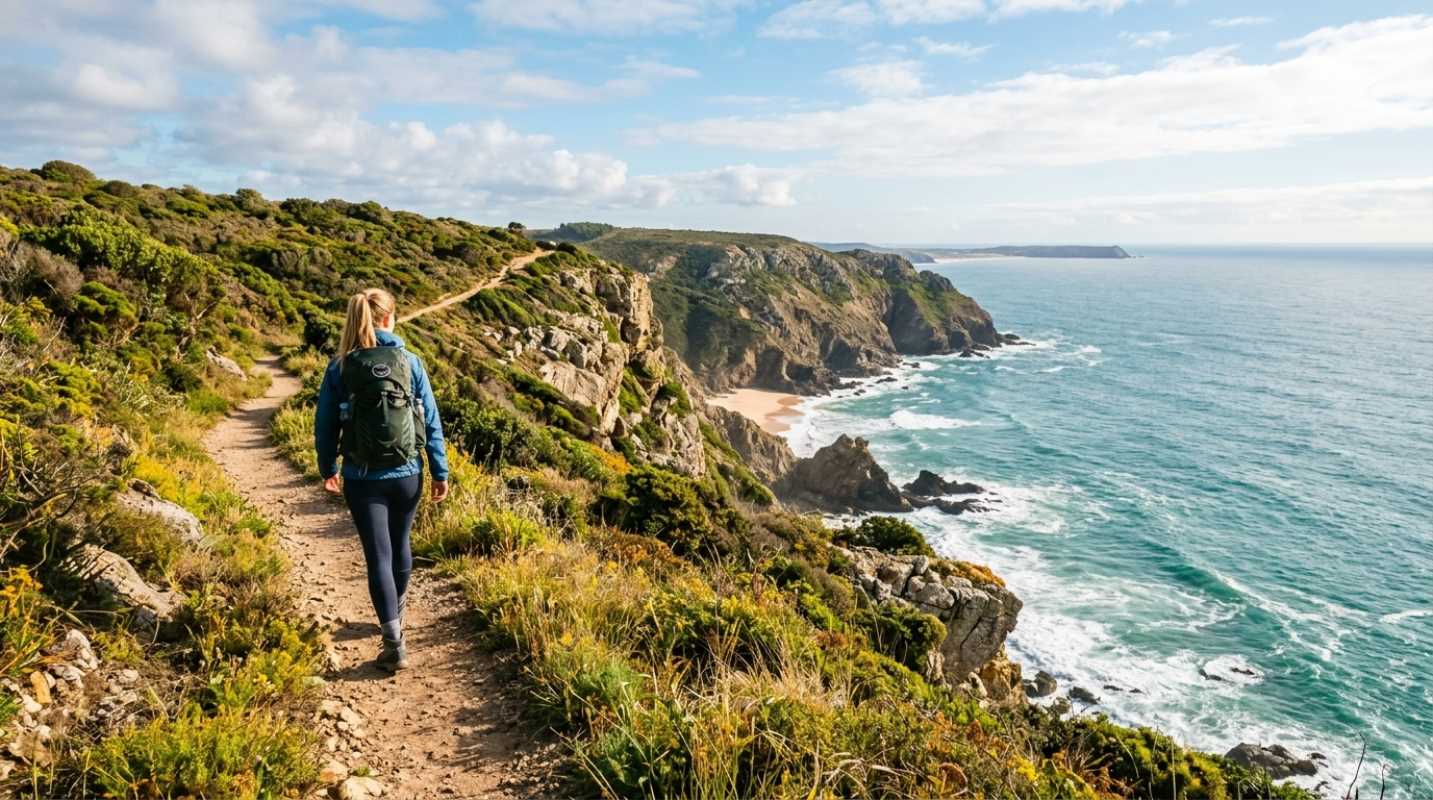
The best things to do in Glacier National Park are absolutely free. With over 700 miles of trails ranging from easy boardwalk strolls to challenging backcountry climbs, hiking is the primary activity and requires no ticket other than your park entry pass. Trails like the Trail of the Cedars or the hike to Avalanche Lake offer incredible rewards for zero additional cost. Instead of paying for expensive boat tours or guided horseback rides, lace up your boots and explore the landscape on your own two feet. The park’s beauty is best appreciated at a walking pace, allowing you to notice wildflowers and wildlife.
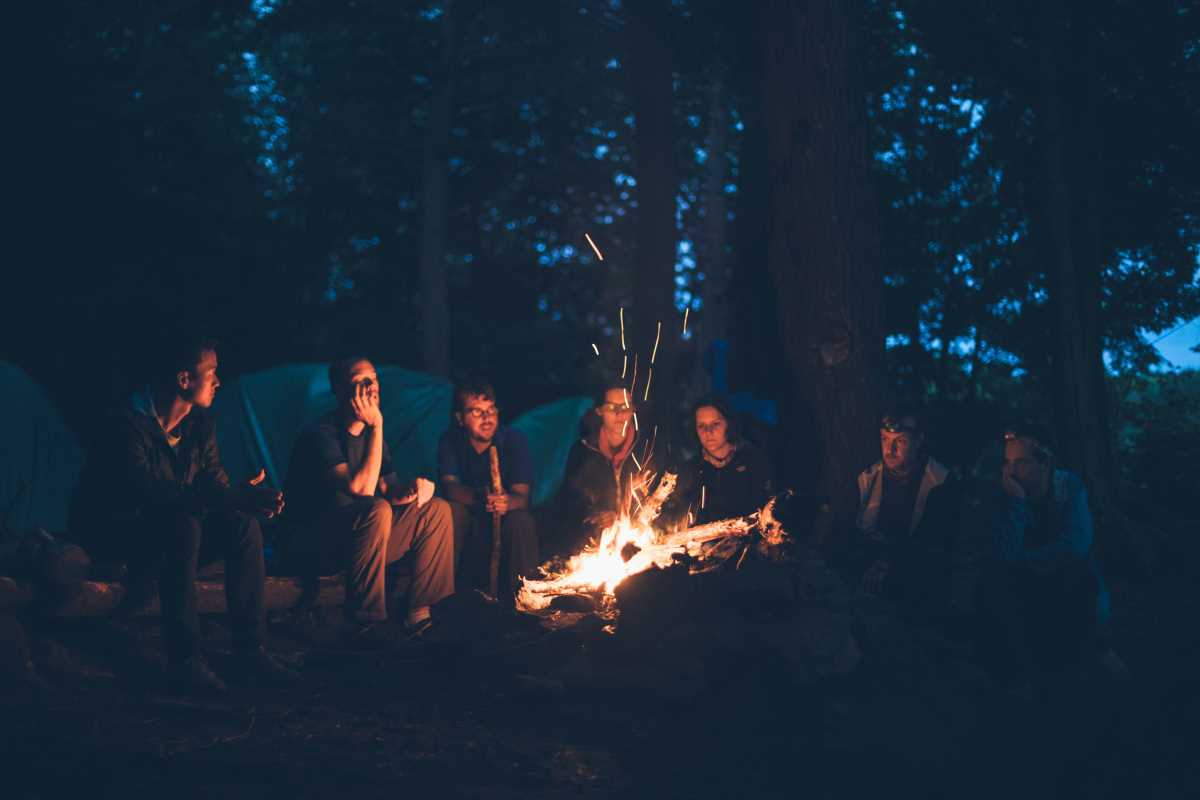
In addition to hiking, take advantage of the free Ranger-led programs offered throughout the park. These educational talks, guided walks, and evening campfire presentations provide deep insights into the park’s geology, history, and ecology without costing a dime. You can learn about the behavior of grizzly bears, the history of the native tribes, or the science behind the disappearing glaciers from experts. These programs enrich your visit and offer a deeper connection to the land. Check the park newspaper or visitor centers upon arrival to see the schedule of events for the duration of your stay.
Visit During the Shoulder Seasons
Timing your trip for the shoulder seasons, late spring or early autumn, can lead to substantial savings on travel costs. During late September and early October, lodging prices in the surrounding gateway towns often drop as the summer crowds disperse. While the Going-to-the-Sun Road may close due to snow in mid-October, many lower-elevation areas remain accessible and beautiful. You will encounter fewer people on the trails and have a better chance of spotting wildlife like moose and elk as they prepare for winter. The fall foliage, with larch trees turning a brilliant gold, adds a unique splendor to the scenery.
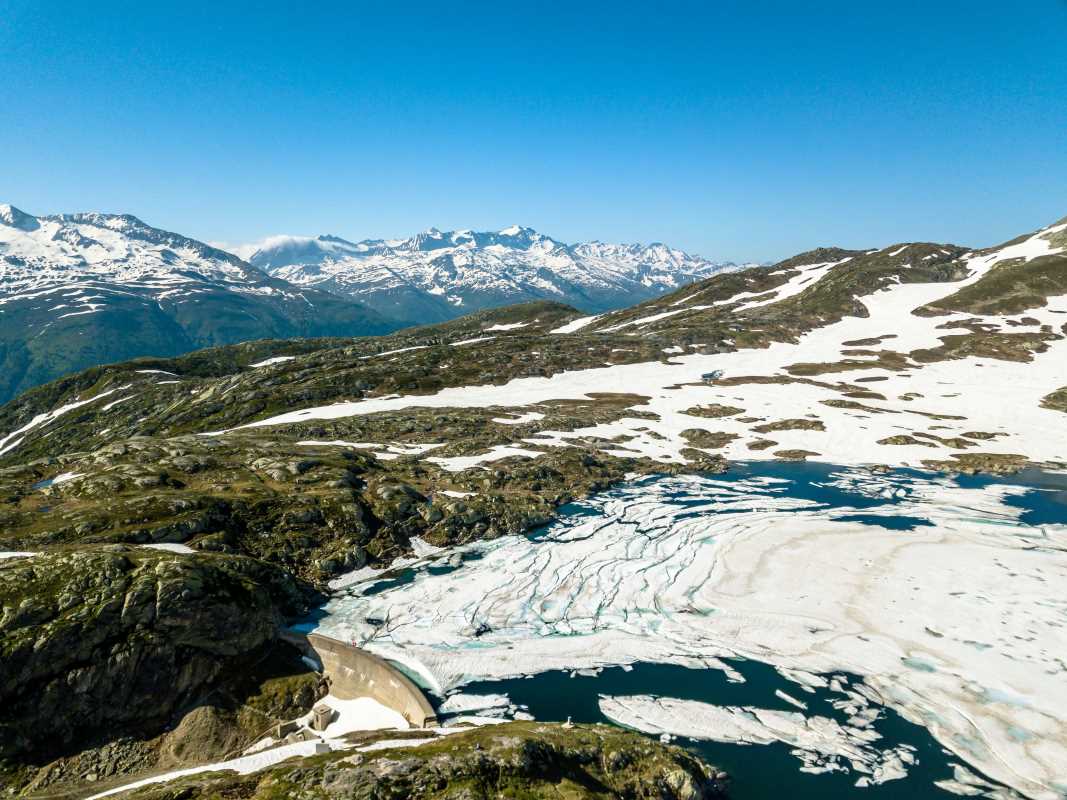
Visiting in late spring, particularly June, offers its own set of budget advantages and scenic rewards. While the alpine sections of the road might still be plowed, the lower valleys are lush, green, and bursting with waterfalls fed by snowmelt. This is a quieter time to visit before the July and August rush, allowing for more affordable flights and car rentals. You may find that availability for campgrounds and permits is better, giving you more flexibility without the need to book months in advance. Embracing the slightly cooler weather can save you money and provide a more solitary wilderness experience.