 (Image via
The true test of a multi-day adventure often begins after the initial rush of excitement fades. It's when cumulative mileage, elevation changes, and unpredictable conditions start to take their toll. Maintaining high energy levels in this environment requires more than basic self-care; it demands a strategic, informed approach. Success lies in optimizing your nutrition, hydration, recovery, and mindset with advanced techniques and specialized gear.
This guide moves beyond the fundamentals to provide expert-level strategies for sustained performance. You will learn how to fine-tune your energy management system, from calculating caloric needs at altitude to leveraging technology for smarter pacing and recovery. Prepare to transform your approach from simply enduring the miles to conquering them with vitality.
Advanced Fueling for Peak Performance
On a long trek, your body is a high-performance engine that requires premium fuel delivered with precise timing. Simply snacking when you feel hungry is a recipe for an energy crash, often called "bonking." The advanced strategy is to implement a structured, front-loaded nutrition plan that keeps your glycogen stores consistently topped off.
Caloric Density and Macronutrient Timing
Forget bulky, low-calorie foods. Your focus should be on maximum caloric density per ounce. Aim to consume 250-400 calories per hour of active hiking, adjusting for intensity and body weight. Your intake should be a balanced mix of macronutrients, timed for specific effects.
Start your day with a substantial breakfast rich in complex carbohydrates and protein, like oatmeal fortified with protein powder and nut butter. This provides a slow-release energy base. Throughout the day, graze on a strategic mix of quick-release carbs for immediate energy and fats/proteins for sustained fuel. For example, a quick stop might involve an energy gel like those from GU or Huma, followed by a handful of almonds a bit later to level out your blood sugar.
Specialized Nutrition Products
Relying solely on traditional trail mix is a novice move. Modern trail nutrition offers specialized products designed for efficiency and performance.
- Meal Replacement Shakes: For a fast, calorie-dense, and easily digestible meal, consider a shake like Kate's Real Food Meal Replacement or Huel. These are excellent for mornings when you want a quick start or for a midday reset without the hassle of cooking.
- High-Calorie Bars: Not all bars are created equal. Look for options exceeding 300 calories that balance carbs, fat, and protein. Brands like ProBar Meal or Greenbelly Meal 2-Go are designed as meal replacements and pack a serious caloric punch.
- Performance Nut Butters: Packets of high-fat nut butter from brands like Justin's or Trail Butter offer a quick, delicious, and calorie-dense boost. They are easy to eat on the move and provide long-lasting energy.
Precision Hydration and Electrolyte Management
Dehydration is a primary cause of fatigue, cognitive decline, and muscle cramping. The advanced approach to hydration goes beyond simply drinking water. It involves a calculated system for fluid and electrolyte replacement, especially when operating at high altitudes or in hot conditions where sweat rates are high.
Calculating Your Needs
A general rule of thumb is to drink about half a liter of water per hour of moderate activity, but this needs adjustment. Weighing yourself before and after a training hike can give you a precise idea of your sweat rate, allowing you to tailor your fluid intake more accurately. For every pound lost during the hike, you need to replenish with about 16 ounces (0.5 liters) of fluid.
Don't neglect electrolytes. When you sweat, you lose critical minerals like sodium, potassium, and magnesium. Drinking only plain water can dilute the electrolytes remaining in your system, a dangerous condition called hyponatremia. Integrate an electrolyte supplement into your hydration plan.
Essential Hydration Gear and Products
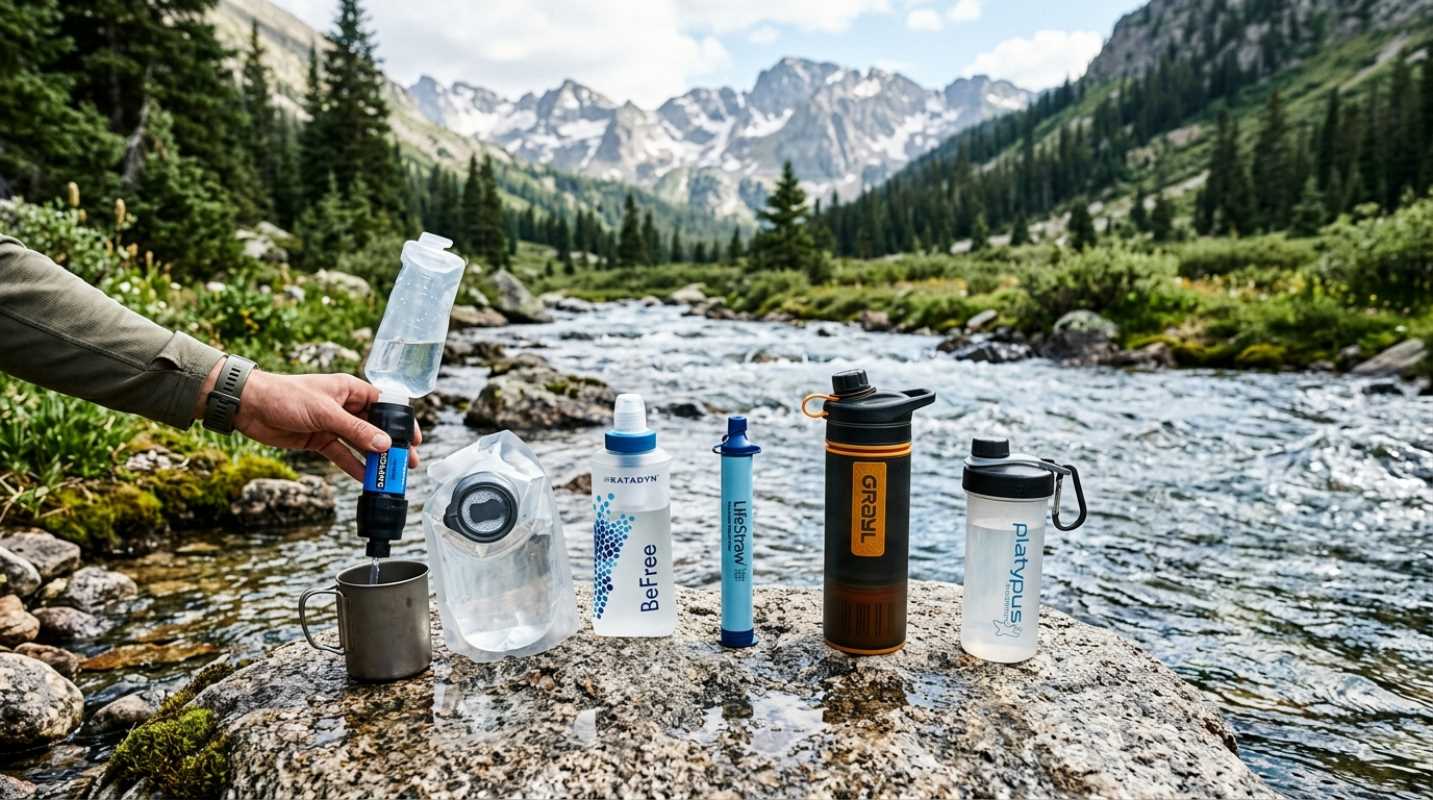
- Water Filters and Purifiers: Carrying all your water is inefficient. A lightweight, reliable filter is essential. The Sawyer Squeeze and Katadyn BeFree are industry-leading options that allow for fast and safe refills from natural water sources. For added security against viruses, a UV purifier like the Katadyn Steripen is an excellent choice.
- Electrolyte Supplements: Add a powder or tablet to your water to ensure proper mineral balance. Nuun Sport tablets offer a convenient, no-mess solution. For more intense efforts or hotter days, powders like Skratch Labs Hydration Sport Drink Mix or Tailwind Nutrition provide both electrolytes and calories for a dual-purpose boost.
- Collapsible Bottles: Save space and weight with flexible water reservoirs. HydraPak collapsible bottles and flasks are durable, lightweight, and shrink as you drink, making them easy to store in a pack or pocket.
Optimizing Rest and Active Recovery
Recovery is not a passive activity; it is an active process that begins the moment you stop for the day. High-quality sleep is crucial, but what you do in the hours before bed can dramatically impact your energy levels for the following day.
The Science of a Superior Sleep System
Your sleep system—your sleeping bag, pad, and pillow—is your recovery toolkit. An R-value (a measure of thermal resistance) on your sleeping pad is critical. For three-season backpacking, a pad with an R-value of 3 or higher, like the Therm-a-Rest NeoAir XLite, is recommended. This insulation prevents the cold ground from sapping your body heat, allowing for deeper, more restorative sleep. Match your sleeping bag's temperature rating to the lowest expected temperatures of your trip.
Active Recovery Tools and Techniques
Don't just collapse in your tent. Dedicate 15-20 minutes to an active recovery routine.
- Targeted Stretching: Focus on major muscle groups used during your activity: quads, hamstrings, calves, and hip flexors.
- Myofascial Release: Pack a small, lightweight massage ball, like those from Rawlogy. Rolling out your feet, calves, and glutes can release muscle knots and reduce soreness.
- Elevation: Elevate your legs against a tree or on top of your pack for 10-15 minutes. This helps reduce inflammation and fluid buildup in your lower extremities.
Strategic Pacing with Technology
One of the most common mistakes is the "fly and die" approach: starting out too fast on fresh legs and burning out by day two. A multi-day adventure is an endurance event. Smart, consistent pacing conserves energy and prevents overuse injuries.
Use technology to enforce a sustainable pace. A GPS watch with a heart rate monitor, such as a model from the Garmin Fenix or Coros Vertix series, is an invaluable tool. Keep your heart rate within Zone 2 (typically 60-70% of your max heart rate). This is your aerobic, "all-day" pace where your body efficiently uses fat for fuel, preserving precious glycogen for steeper climbs or a final push.
Mapping applications like Gaia GPS or onX Backcountry can also aid in pacing. Use the topographic and slope-angle shading features to anticipate steep sections. Seeing a major climb on the map allows you to mentally and physically prepare, conserving energy on the approach rather than being caught by surprise.
Mental fatigue is as debilitating as physical exhaustion. A negative mindset can drain your energy reserves faster than any mountain pass. The key is to break the journey down into manageable segments and consciously shift your focus.
Instead of dwelling on the total mileage for the day, concentrate on reaching the next landmark—a creek, a ridge, or a specific trail junction. This "chunking" technique turns an overwhelming objective into a series of achievable victories, providing a steady stream of psychological rewards.