 (Image via
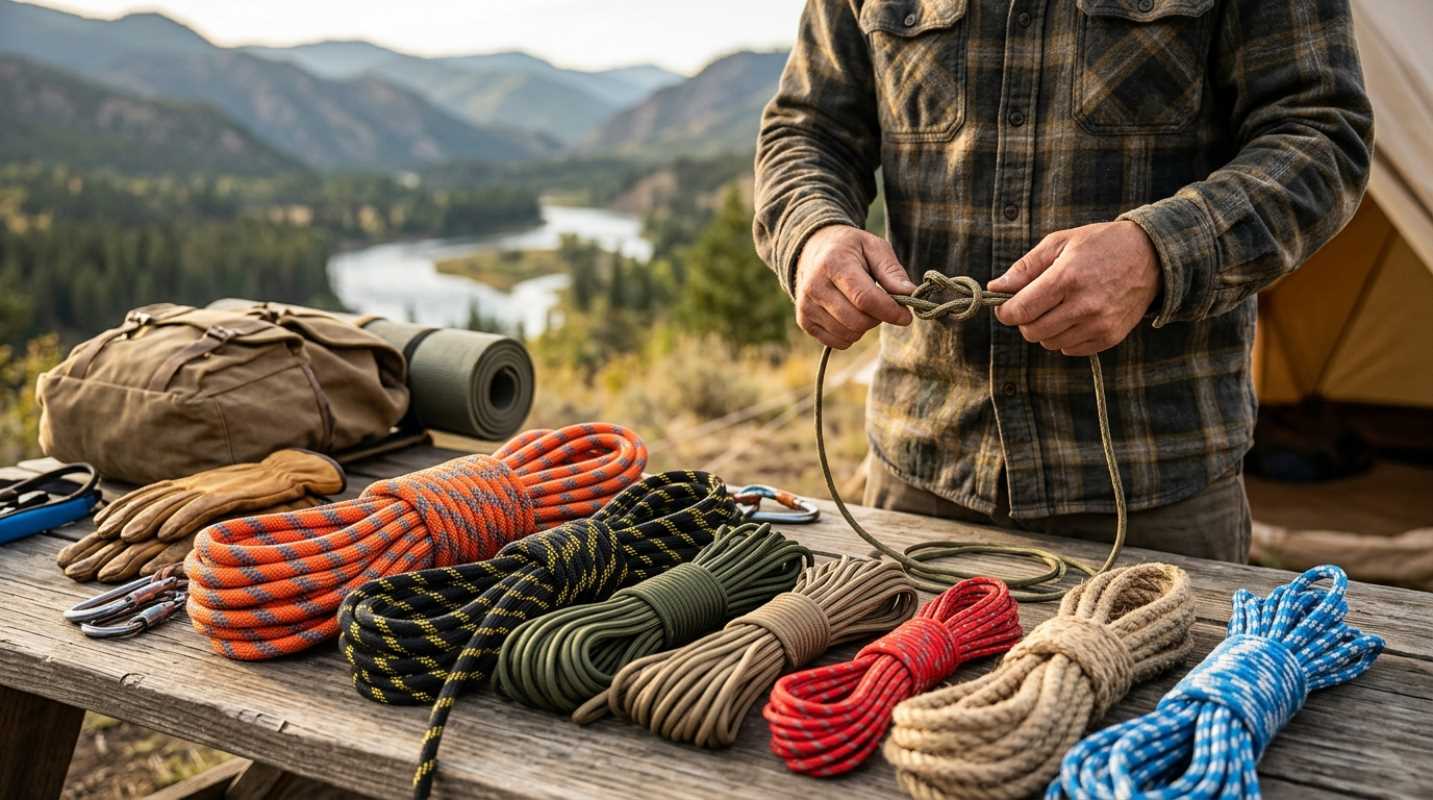
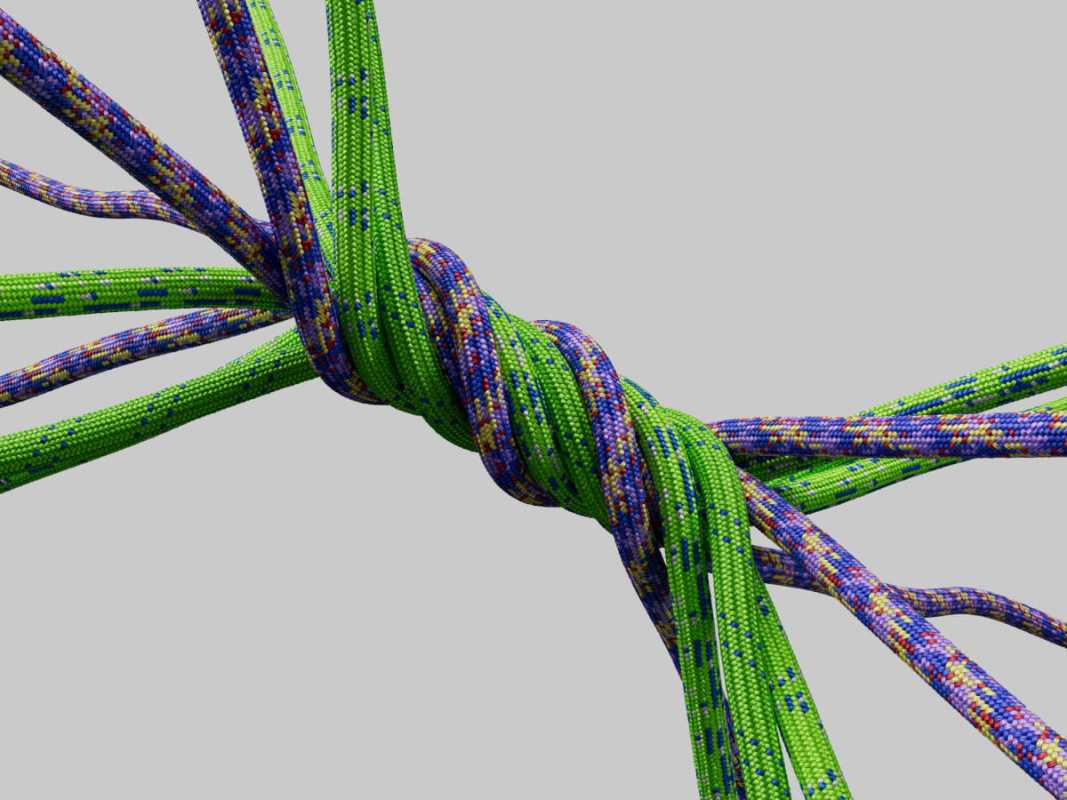
Of all the gear an outdoor enthusiast can carry, few items offer as much bang for the buck, or ounce for ounce, as a simple length of paracord. This humble nylon rope, originally used for the suspension lines of U.S. parachutes during World War II, has become an almost mythical item in the survival and camping communities. It is lightweight, incredibly strong for its size, and surprisingly versatile. A standard hank of 550 paracord in your pack is like carrying a toolbox, a first-aid kit, and a repair shop all rolled into one.
The secret to its versatility lies in its construction. A paracord sheath contains several smaller, independent strands of nylon (typically seven to nine). This means you can use the rope as a whole for tasks requiring strength, or you can gut it, pulling out the inner strands to use as fine thread for sewing, fishing line, or dental floss in a pinch. It is a force multiplier, a simple tool that sparks creativity and solves countless problems on the trail.
But "carry paracord" is vague advice. Knowing what to do with it is where the real magic happens. It is one thing to have it stuffed in your pack; it is another to know how to deploy it when things go sideways. Here are five practical tasks that show just how indispensable a length of paracord can be.
Create A Ridgeline For Your Tarp Or Bivvy
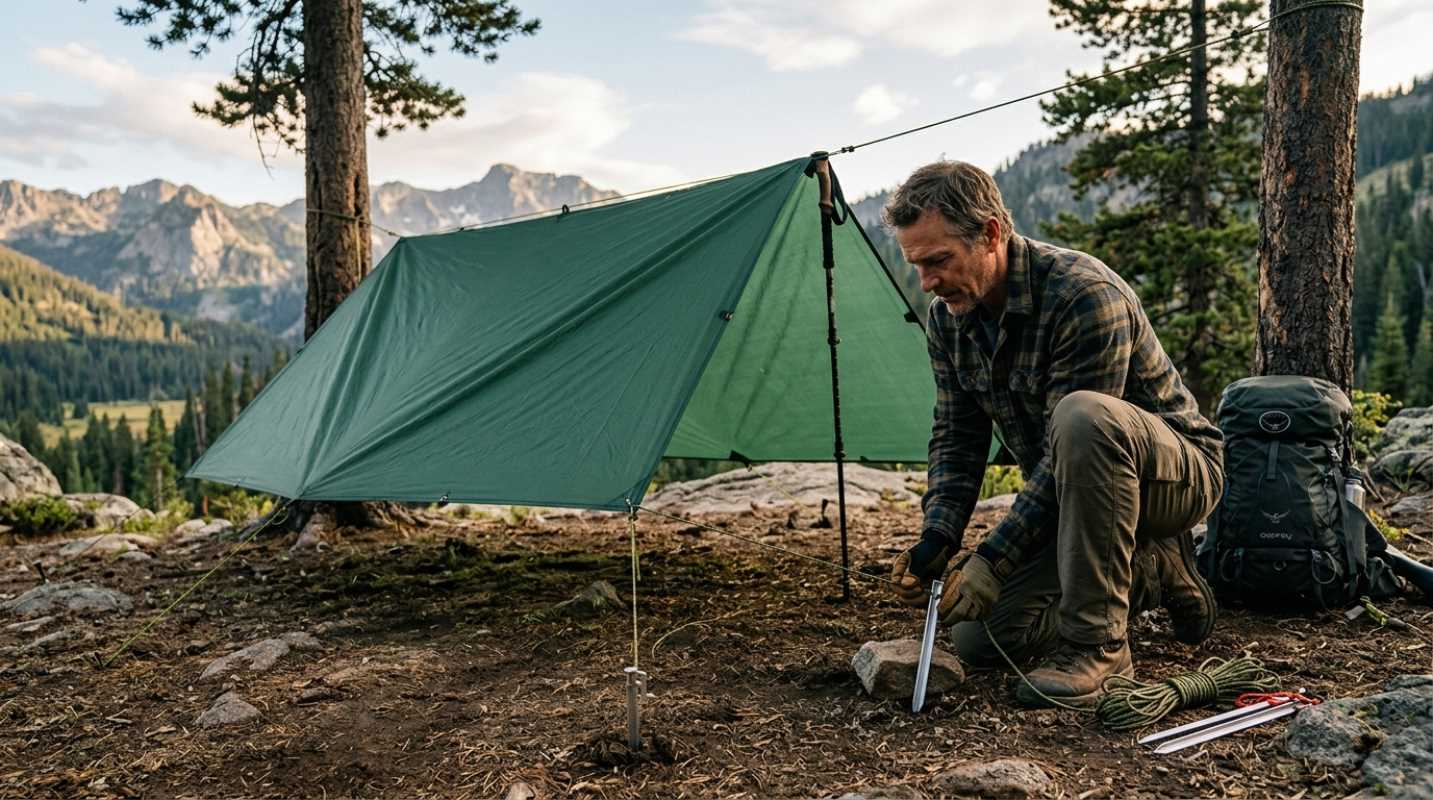
One of the most fundamental uses for paracord in the backcountry is building a shelter. Whether you are an ultralight backpacker using a minimalist flat tarp or you just need to create a makeshift roof to get out of a sudden downpour, a taut ridgeline is the backbone of your setup. Paracord is perfect for this task due to its high tensile strength and relatively low stretch.
The process is simple. You need to securely anchor a line between two trees at the appropriate height for your shelter. The key is using the right knots. Tying a bowline knot at one end creates a fixed loop that you can girth-hitch around the first tree. This knot is known as the "king of knots" because it is incredibly secure under load but easy to untie even after being pulled tight.
For the other end, the trucker’s hitch is your best friend. This brilliant knot system creates a mechanical advantage, almost like a tiny block and tackle, allowing you to pull the ridgeline incredibly tight. A taut ridgeline prevents your tarp from sagging in the rain, which stops water from pooling and eventually soaking you and your gear. Once the ridgeline is up, you can simply drape your tarp over it and stake out the corners. This simple skill can turn a 20-foot piece of cord into a life-saving shelter in minutes.
Make An Emergency Tourniquet Or Splint
In a serious first-aid situation, paracord can be a critical tool for stabilizing an injury until you can get professional medical help. Its strength makes it suitable for creating a tourniquet to stop severe arterial bleeding or for lashing a splint to immobilize a broken bone. However, this is a use that requires knowledge and caution. An improperly applied tourniquet can cause more harm than good.
To create a splint, you first need to find two rigid objects, like sturdy branches, trekking poles, or even a rolled-up sleeping pad. Place them on either side of the injured limb to immobilize the joint above and below the break. Then, use lengths of paracord to lash the splint in place. You want it snug enough to prevent movement but not so tight that you cut off circulation. This stabilization can prevent further injury and manage pain during an evacuation.
For a tourniquet, which should only be used as a last resort for life-threatening bleeding, you wrap a wide band of cloth (like a bandana) around the limb above the wound. Then, you wrap the paracord over the cloth and tie it loosely. Insert a sturdy stick (a windlass) into the loop and twist it to tighten the paracord until the bleeding stops. It is crucial to note the time the tourniquet was applied. This is a serious medical procedure, and proper training is highly recommended before you ever have to use it in the field.
Fashion A Makeshift Fishing Line Or Gill Net
This is where the unique construction of paracord really shines. If you are in a survival situation where you need to procure food, your hank of 550 cord contains multiple fishing lines just waiting to be deployed. By carefully cutting an end of the paracord, you can pull out the fine inner strands. Each of these strands is a strong, thin line perfect for fishing.
Here's how you can leverage paracord for angling:
- Simple Line Fishing: Tie one of the inner strands to a long branch to serve as a pole. You will need to fashion a hook from something like a pop can tab, a safety pin, or a carved piece of wood. Find some bait (insects are a great choice), and you are in business.
- Trotline: For a more passive approach, you can create a trotline. String a length of the outer paracord sheath across a slow-moving stream or pond. Then, attach multiple baited lines made from the inner strands at intervals along the main line. This allows you to fish in multiple spots at once.
- Gill Net: This is a more advanced technique. By carefully weaving the inner strands together, you can create a small net. Stretched across a narrow channel, this net can catch fish by their gills as they swim through. It is a labor-intensive process but can be highly effective.
Repair Your Gear On The Fly
Things break in the wilderness. A backpack strap rips, a shoelace snaps, a zipper pull breaks off, it is inevitable. Paracord is the ultimate field repair kit, and its inner strands are the multitool of thread.
When a heavy-duty strap on a backpack fails, the full cord is often too thick to sew with. This is when you pull out an inner strand. It is strong enough to stitch through thick canvas or nylon but thin enough to fit through the eye of a needle (or can be pushed through with a small awl). A few sturdy stitches can make the difference between a comfortable hike out and a miserable one, wrestling with a lopsided pack.
A broken zipper pull can be incredibly frustrating, especially on a cold day when you are wearing gloves. A simple fix is to loop a short piece of paracord through the zipper slider and tie it in a knot, creating a new, oversized pull that is easy to grab. Snapped a shoelace? A length of paracord is a perfect, albeit slightly stiff, replacement that will get you home without your boot flopping around. The possibilities are endless, from replacing a guyline on your tent to creating a new strap for your water bottle.
Build A Campfire Bow Drill
Starting a fire with friction is one of the most challenging but rewarding survival skills. The bow drill method is one of the most reliable ways to do it, and paracord is the ideal material for the bowstring. This technique uses a bow to spin a spindle rapidly against a fireboard, creating friction that generates a hot coal.
To build one, you need a sturdy, slightly curved branch for the bow (about the length of your arm), a straight, dry spindle of wood, a fireboard (a flat piece of wood of the same type as the spindle), and a handhold (a rock or piece of wood with a small divot).
You tie the paracord to each end of the bow branch, leaving enough slack so you can twist the spindle into the string. The paracord provides the perfect combination of strength and flexibility, gripping the spindle without snapping as you saw the bow back and forth. As you apply downward pressure with the handhold and saw vigorously, the spindle will drill into the fireboard, creating fine wood dust that will heat up and eventually form a glowing ember. You can then transfer this ember to a tinder bundle and blow it into flame. It is a difficult skill to master, but knowing you can create fire with just a knife, some wood, and your paracord is a massive confidence booster.