 (Image via
The principles of Leave No Trace offer a crucial framework for protecting our wild spaces. Yet, as our understanding of environmental impact evolves, so must our practices. True stewardship in the outdoors now requires moving beyond simply packing out trash. It means actively managing our carbon footprint, making conscious gear choices, and leveraging technology to minimize our presence.
This guide provides advanced, actionable strategies that integrate modern sustainability with the timeless ethics of Leave No Trace. You will learn expert-level techniques and discover specific products designed to help you reduce your environmental impact significantly. It is time to elevate your commitment and ensure the wild places we love can thrive for generations.
Strategic Planning for a Lower Footprint
Effective, low-impact adventures begin long before you reach the trailhead. Advanced planning involves a critical assessment of every choice through the lens of carbon cost and resource consumption.
Calculating and Offsetting Your Travel Emissions
The single largest part of an adventure's carbon footprint is often transportation. While choosing closer destinations is a great start, a more advanced approach involves quantifying and neutralizing your impact.
Use an online carbon calculator to estimate the emissions from your vehicle for the round trip. Once you have this figure, you can purchase carbon offsets from reputable organizations like Gold Standard or The Nature Conservancy. These programs fund projects such as reforestation or renewable energy development, effectively balancing out your travel emissions. Carpooling is good, but verifiable offsetting is better.
A Zero-Waste Food System
Repackaging food is a fundamental LNT practice, but an advanced strategy eliminates disposable packaging entirely. Build a dedicated, zero-waste meal prep kit for your adventures.
- Reusable Containers: Instead of single-use plastic bags, use reusable silicone bags from brands like Stasher. They are durable, easy to clean, and can even be used for rehydrating meals with cold or hot water. For crushable items, small, lightweight food canisters work well.
- Bulk Buying: Purchase staples like oats, pasta, nuts, and dried fruit from the bulk bins at your local grocery store using your own reusable bags. This eliminates consumer packaging from the start.
- Powdered Staples: Reduce weight and waste by opting for powdered versions of common items. Powdered coconut milk, peanut butter, and hummus add flavor and calories without the bulky packaging.
Low-Impact Travel and Shelter
Protecting the ground you travel on requires more than just staying on the trail. It involves understanding soil composition, vegetation fragility, and choosing gear that actively reduces your physical footprint.
Gear Choices for Surface Durability
Your gear can either protect or damage the surfaces you camp on. Choose equipment designed to minimize ground impact.
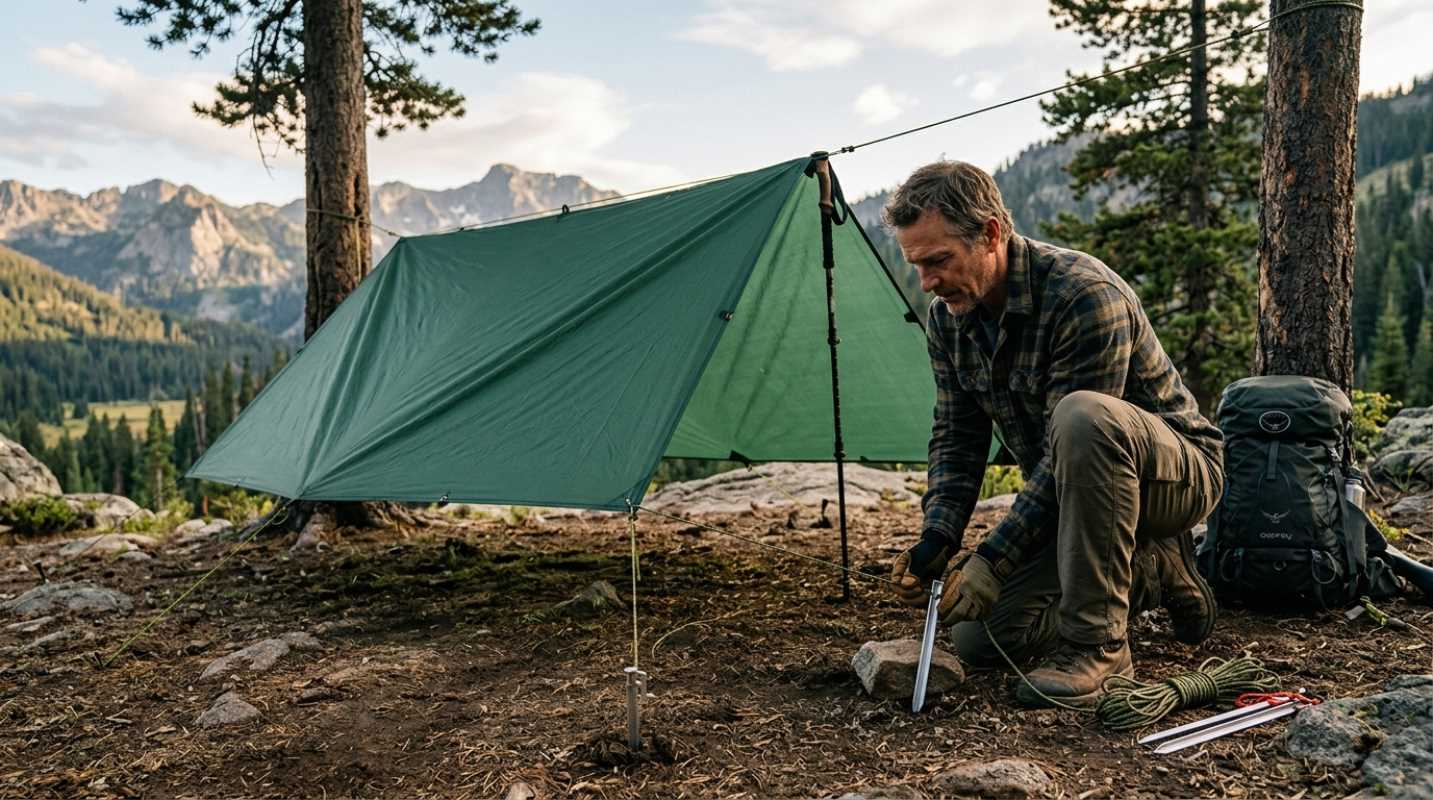
- Freestanding Tents: A freestanding tent, like the Big Agnes Copper Spur or MSR Hubba Hubba, does not require stakes to be driven deeply into the ground for its core structure. This makes them ideal for camping on rock slabs or other durable surfaces where staking is difficult or impossible, preventing damage to fragile soil or plant life.
- Tent Footprints: Using a specific tent footprint or a durable ground cloth like Tyvek HomeWrap not only protects your tent floor but also creates a barrier that contains small gear items and prevents micro-trash from being left behind.
Navigating Off-Trail Responsibly
In some remote wilderness areas, travel may require moving off-trail. The advanced LNT technique here is to disperse your path. Instead of walking single file, which creates a new "social trail," spread out. This disperses the impact and prevents the formation of a permanent scar on the landscape. When crossing delicate areas like alpine meadows, walk on rocks whenever possible.
Advanced Waste and Water Management
The "pack it in, pack it out" philosophy extends to everything, including microscopic and biological waste. A sophisticated approach to waste management protects water sources and soil health with specialized tools and techniques.
Managing Gray Water and Microplastics
Washing dishes, hands, or bodies can introduce soaps and food particles into the environment. This "gray water" should be managed carefully.
Carry gray water at least 200 feet from any water source and scatter it broadly. Use a biodegradable soap like Sea to Summit Wilderness Wash, but remember that "biodegradable" still requires soil microbes to break it down, so it must never go directly into a lake or stream.
A lesser-known impact is the shedding of microplastics from synthetic clothing when washed. While difficult to prevent on the trail, you can capture these fibers at home by using a Guppyfriend Washing Bag. This reduces the flow of microplastics into our water systems from your outdoor apparel.
Modern Solutions for Human Waste
In high-altitude, desert, or fragile river canyon environments, a simple cathole is not enough. The concentration of human waste can overwhelm the ecosystem's ability to decompose it, leading to water contamination. Packing out human waste is the gold standard.
Use a commercial Waste Alleviation and Gelling (WAG) bag, such as those sold under the brand name RESTOP or Cleanwaste. These kits contain a puncture-proof bag with a special powder that gels liquid waste, neutralizes odors, and begins the decay process, making it sanitary to pack out.
Respecting Wildlife Through Technology
Giving wildlife space is paramount, but modern technology allows for close observation without disturbance. This approach respects animal behavior and habitats while enriching your experience.
Instead of trying to get physically closer, invest in high-quality optics. A good pair of binoculars is essential. For more detailed observation or photography, a spotting scope or a camera with a powerful telephoto lens allows you to see animals in detail from a safe and respectful distance.
At night, use a red light setting on your headlamp. The red spectrum is less disruptive to the night vision of most animals (and fellow campers). Headlamps like the Petzl Actik Core or Black Diamond Spot feature a dedicated red light mode, allowing you to navigate your campsite without causing stress to nocturnal wildlife.
Eliminating Campfire Impacts Entirely
The most advanced technique for minimizing campfire impact is to not have one. Campfires sterilize the soil, deplete the forest of necessary deadwood, and pose a significant wildfire risk. Modern alternatives provide all the benefits of a fire with none of the impact.
High-Efficiency Stoves and Fire Pans
A reliable camping stove is cleaner, faster, and more efficient than a campfire. Integrated canister stove systems like the Jetboil Flash or MSR WindBurner are incredibly efficient, boiling water in minutes even in windy conditions. This reduces fuel consumption and the number of canisters you need to pack in and out.
If a fire is permissible and absolutely necessary for warmth or morale, use a fire pan. A portable, raised fire pan, such as the UCO Flatpack Grill & Firepit, elevates the fire off the ground. This prevents it from scorching the earth and sterilizing the soil beneath it. It also makes collecting the cool ash for proper disposal significantly easier, ensuring you leave a clean site.