(Image via
Walking into the woods to gather your own food is a practice as old as humanity itself. It connects us to the seasons, the land, and the rhythms of the natural world in a way that grocery shopping simply cannot replicate. Whether you are hunting for elusive morels in the spring, gathering wild berries in the summer heat, or harvesting roots as autumn sets in, having the right tools makes the process safer, cleaner, and more efficient. While it is possible to forage with nothing but your bare hands, specialized equipment can protect the plants you harvest and ensure you leave the ecosystem intact for future growth.
Responsible foraging is about more than just identification; it is about the method of harvest. Using proper tools minimizes damage to the mycelium of mushrooms or the root systems of plants, ensuring sustainability. Furthermore, carrying the right gear helps you process your finds in the field, keeping them fresh and free of dirt until you get them home to your kitchen. From specialized knives to breathable containers, your kit doesn't need to be extensive, but it should be purposeful. This guide explores five essential tools that will elevate your foraging experience and help you harvest nature’s bounty with respect and ease.
A Specialized Foraging Knife with Brush
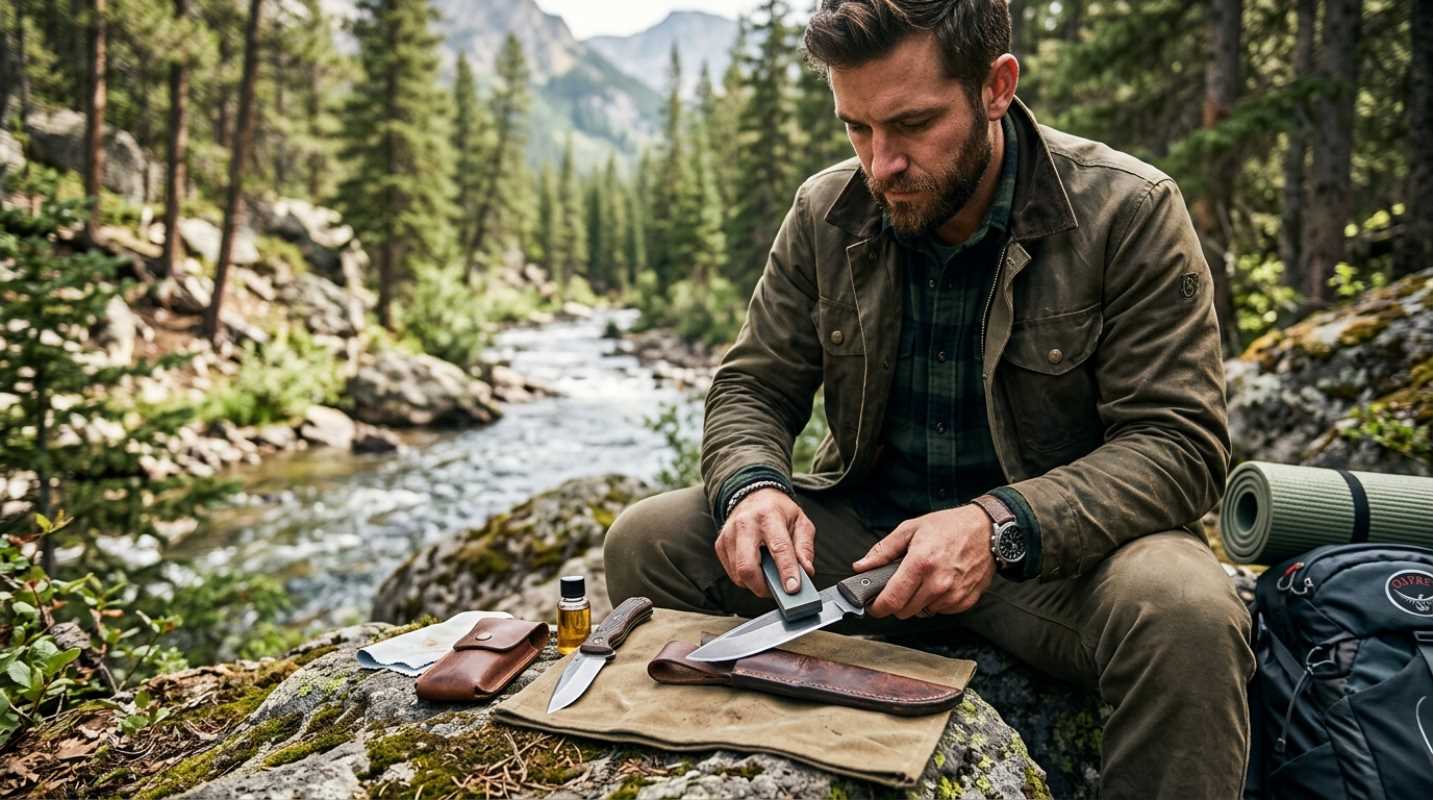
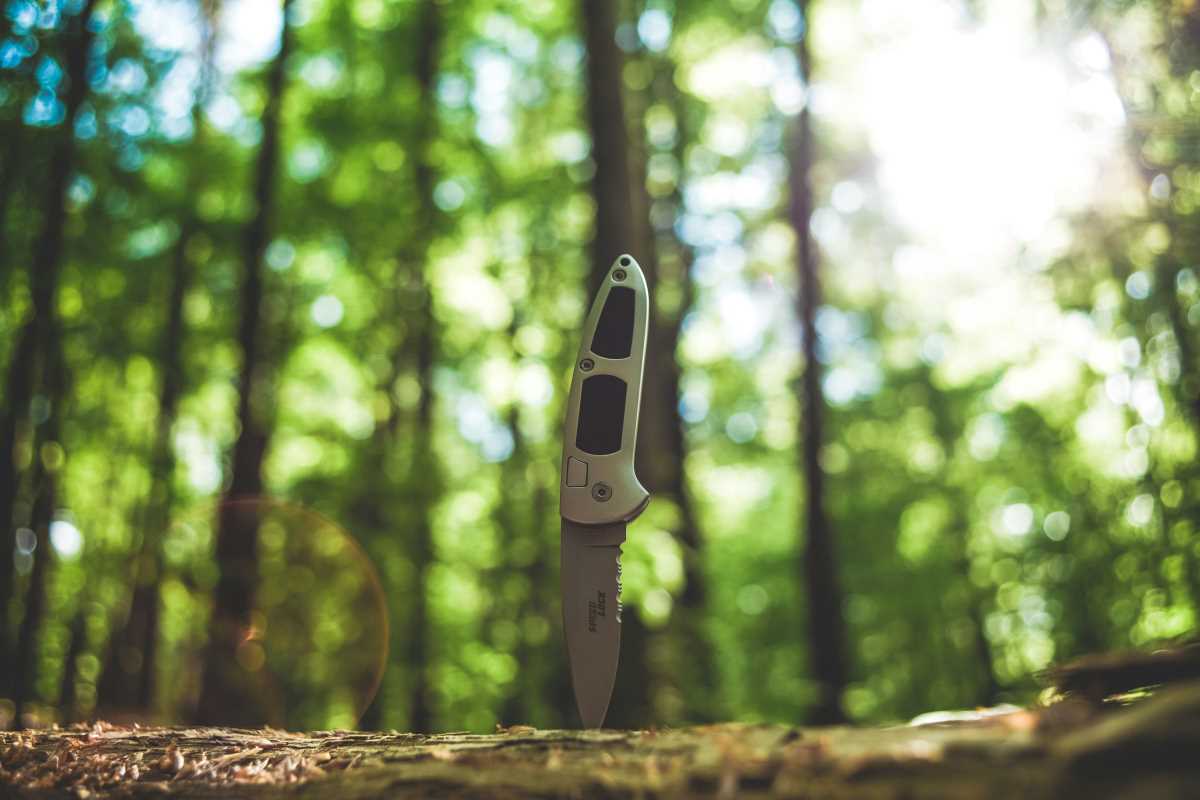
The most iconic tool in a forager's arsenal is a dedicated mushroom knife. These specialized blades often feature a curved profile, similar to a bird's beak, which allows for precise cuts at the base of a stem without disturbing the surrounding soil or mycelium. A clean cut is vital for the health of the organism and makes cleaning your harvest much easier later on. Many high-quality foraging knives are made with stainless steel to resist rust from the moisture inherent in damp woodlands. Investing in a knife with a comfortable, non-slip handle is also wise, as foraging often takes place in wet or muddy conditions where a secure grip is essential for safety.
What truly sets a foraging knife apart is the boar bristle brush attached to the end of the handle. This integrated brush is indispensable for cleaning your finds immediately after harvesting. By brushing away dirt, pine needles, and debris in the field, you prevent grit from getting lodged in the gills or pores of mushrooms, which can be nearly impossible to remove once you get home. This simple step saves hours of kitchen prep time and preserves the texture and flavor of delicate fungi. Some models also include a ruler on the handle, a helpful feature for measuring caps or stems to aid in accurate identification before you make a cut.
Breathable Baskets and Mesh Bags
Once you have harvested your wild edibles, how you carry them is just as important as how you cut them. Plastic bags are the enemy of fresh foraged goods, as they trap moisture and heat, causing mushrooms to turn into a slimy mess and greens to wilt rapidly. Instead, experienced foragers rely on breathable containers like woven wicker baskets or mesh bags. A rigid basket offers excellent protection for delicate finds, preventing them from getting crushed as you move through the underbrush. The open weave allows air to circulate freely, keeping your harvest cool and dry, which is critical for maintaining quality.
Mesh bags, often referred to as "spore bags," serve a dual purpose that benefits the ecosystem. As you walk through the forest with your harvest of mushrooms, the open mesh allows spores to fall out and disperse back into the soil, effectively "seeding" the forest for future seasons. These bags are lightweight, collapsible, and easy to tuck into a pocket until needed. For heavier items like roots or nuts, a sturdy canvas foraging pouch that attaches to your belt can be incredibly convenient, distributing the weight evenly and keeping your hands free to push aside branches or climb over fallen logs.
Durable Digging Tool or Hori Hori
For those who venture beyond mushrooms and berries to harvest roots, tubers, and bulbs, a robust digging tool is non-negotiable. A standard garden trowel often fails in the compacted, rocky soil of the wilderness. This is where the Hori Hori, or Japanese soil knife, shines. This versatile tool features a heavy, double-edged blade, one side sharp for slicing, the other serrated for sawing through tough roots, and a concave shape perfect for digging. Its strength allows you to leverage deep-rooted plants like burdock or dandelion out of the ground without the blade bending or snapping under pressure.
The Hori Hori is more than just a shovel; it is a multi-functional survival tool. The serrated edge can easily cut through fibrous stalks or small branches, while the pointed tip is excellent for precise weeding or planting if you are tending a wild garden. When choosing a digging tool, look for one with a full tang, meaning the metal of the blade extends all the way through the handle, providing maximum durability. A sheath is also essential, as the edges can be quite sharp. With a quality digging tool on your belt, you can access the nutrient-dense underground parts of plants that many casual foragers overlook.
Reliable Field Guide and Loupe
While not a mechanical tool, a physical field guide is perhaps the most critical piece of safety equipment you can carry. In areas where cell service is unreliable, you cannot depend on identification apps or internet searches. A comprehensive, region-specific field guide provides detailed descriptions, look-alike warnings, and habitat information that can prevent dangerous mistakes. Carrying a physical book allows you to compare the specimen directly against high-quality photos or illustrations. For beginners and experts alike, cross-referencing multiple sources before consuming anything is a golden rule of foraging.
To complement your field guide, a jeweler's loupe or a small magnifying glass is an invaluable tool for positive identification. Many distinguishing features of plants and fungi, such as the texture of a stem, the presence of tiny hairs, or the specific shape of gill attachments, are invisible to the naked eye. A 10x or 15x magnification loupe opens up a hidden world of detail, allowing you to spot these subtle characteristics with clarity. This level of scrutiny is often the difference between a confident identification and a risky guess. Wearing the loupe on a lanyard around your neck ensures it is always ready for close-up inspection.
Protective Gloves and Gaiters
Foraging often requires reaching into thorny thickets, stinging nettles, or dense undergrowth where hazards like poison ivy or ticks may hide. A pair of durable, fitted gloves is essential for protecting your hands while you work. Leather or synthetic work gloves shield your skin from scratches and insect bites, allowing you to harvest blackberries or nettles without pain. However, you don't want gloves so bulky that you lose dexterity; look for options that offer a balance of protection and tactile sensitivity so you can handle delicate berries or mushrooms without crushing them.
In addition to hand protection, gaiters are a smart addition to your foraging wardrobe, especially when venturing off-trail. These protective sleeves cover the gap between your boots and your pants, preventing debris, ticks, and moisture from entering your footwear. They also provide a layer of defense against snake bites and thorny briars that can tear at your clothing. By keeping your feet and lower legs dry and protected, gaiters allow you to explore deeper into the woods with confidence. Being comfortable and safe from environmental irritants means you can stay out longer and focus entirely on the joy of the hunt.