 (Image via
Camping in bear country offers an unparalleled opportunity to connect with the wild. The thrill of sharing the landscape with magnificent creatures like bears is a core part of the wilderness experience. However, this privilege comes with a critical responsibility: to camp in a way that ensures the safety of both yourself and the wildlife. A bear that becomes accustomed to human food is often a bear that must be relocated or euthanized. Setting up a bear-proof camp is not just about protecting your food; it's about preserving the wild nature of these animals and preventing dangerous encounters.
Properly securing your campsite is an essential skill for any outdoor enthusiast. It relies on a combination of the right equipment and diligent practices to minimize attractants and store items securely. This guide covers the best tools and techniques you need to maintain a clean, safe, and bear-proof camp. From specialized containers to simple good habits, these methods will allow you to enjoy the wilderness with peace of mind, knowing you are being a responsible visitor.
Choose a Certified Bear-Resistant Container
The cornerstone of any bear-proof camp is a certified bear-resistant food container. The most common options are hard-sided bear canisters and durable, puncture-resistant bear bags. Bear canisters are rigid, cylindrical containers made from high-impact plastic that bears cannot crush or open. They are required in many national parks and wilderness areas, like Yosemite and Glacier. Look for products certified by the Interagency Grizzly Bear Committee (IGBC), as these have undergone rigorous testing with captive bears. While canisters add weight and bulk to your pack, their reliability is unmatched for protecting your food and scented items.
For areas where they are permitted, IGBC-certified soft-sided bear bags, such as those made by Ursack, offer a lighter alternative. These are constructed from ultra-strong, slash-proof fabric. To be effective, they must be tied securely to a sturdy tree branch, following specific knot-tying instructions provided by the manufacturer. These bags are easier to pack than canisters but require you to know proper hanging techniques. Always check local regulations before your trip, as some areas with high bear activity exclusively mandate the use of hard-sided canisters.
Master the Bear Hang Technique
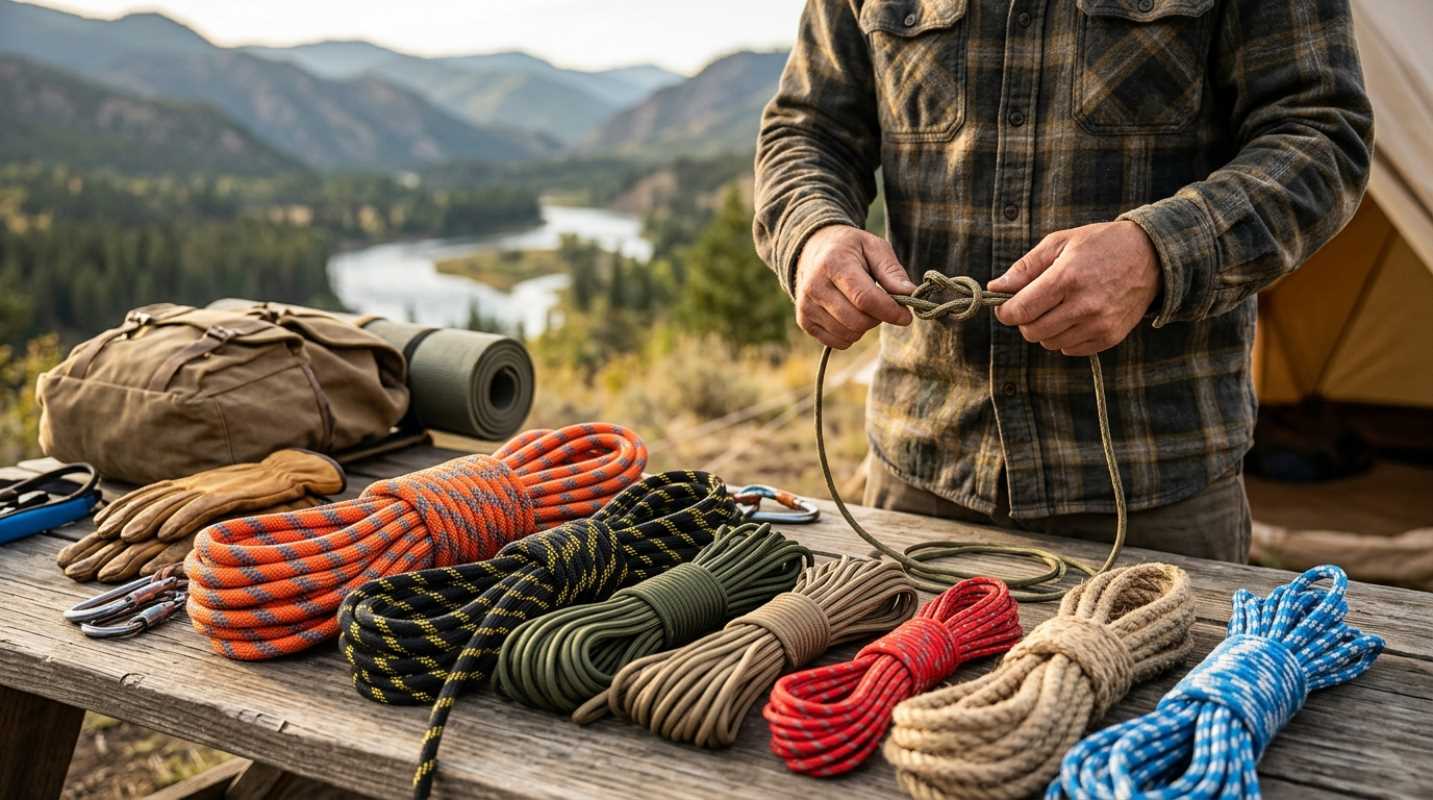
If you are not using a bear canister and local rules permit it, knowing how to properly hang your food is a critical skill. The goal of a bear hang is to suspend your food bag at least 10 feet off the ground and 4 feet away from the tree trunk and any branches. This prevents a bear from reaching it from the ground, by climbing the tree, or by grabbing it from a limb. You will need at least 50 feet of durable, slick rope or cord that won't stretch, along with a small stuff sack to use as a throw weight.
The Pacific Crest Trail (PCT) method is one of the most effective hanging techniques. It involves using a carabiner to create a pulley system that makes it difficult for a bear to slash the rope and drop your bag. Practice this method at home before you need to use it in the dark or in bad weather. Always choose a healthy, strong tree far from your tent. Remember that hanging food is a last resort in many areas; a certified container is almost always the safer and more reliable option.
Maintain a Scent-Free Kitchen
Your "kitchen" area should be established at least 200 feet downwind from your tent. This is where you will cook, eat, and clean up. The goal is to contain all food odors to this single area, far from where you sleep. After every meal, wash your dishes immediately. Use a small amount of biodegradable soap and as little water as possible. Strain your dishwater through a mesh strainer to capture any food particles, which should be packed out with your trash. Disperse the strained greywater widely, away from water sources and your campsite.
Never leave food, dishes, or a stove unattended. Even a seemingly empty pot can hold enough scent to attract a curious bear. Be meticulous about picking up any crumbs or spills around your cooking area. A clean kitchen is a safe kitchen. All food-related items, including your stove, fuel, pots, and utensils, should be stored with your food in your bear canister or hang bag overnight. This strict separation of cooking and sleeping areas is fundamental to bear-proofing your camp.
Store All Scented Items Securely
Bears have an incredible sense of smell, and they are attracted to anything with a strong scent, not just food. This includes all your toiletries, such as toothpaste, deodorant, sunscreen, and lip balm. It also includes garbage, leftover food scraps, and even the clothes you wore while cooking. These items must be treated with the same caution as your food and stored securely overnight in your bear-resistant container or hang bag. Do not bring any scented items into your tent, ever.
Before going to sleep, do a final sweep of your pockets and your pack to ensure you have not forgotten a stray granola bar wrapper or a tube of toothpaste. If your clothes have food spills on them, they should also be stored away from your tent. Some campers even opt for a dedicated set of "sleep clothes" that never go near the cooking area. This level of diligence might seem extreme, but it is essential for minimizing your campsite's scent profile and reducing the chances of a bear paying you a visit.
Use Bear Deterrents as a Last Resort
While prevention is the best strategy, it is wise to carry bear spray as a last-resort safety tool. Bear spray is a powerful deterrent made from capsaicin, the active component in chili peppers. It is designed to temporarily incapacitate a bear by irritating its eyes and respiratory system, giving you time to retreat. Make sure you purchase a spray that is specifically labeled for use on bears and approved by the EPA. Keep it readily accessible on your hip or pack strap, not buried inside your backpack.
Know how to use your bear spray before you need it. Practice removing the safety clip and deploying it with a quick, decisive motion. Understand its effective range (typically 25-30 feet) and be aware of wind direction to avoid it blowing back at you. Bear spray is not a repellent like bug spray; it should never be sprayed on your tent or gear. It is strictly a defensive tool for an emergency encounter where a bear is acting aggressively or charging. Your first line of defense is always a clean camp.