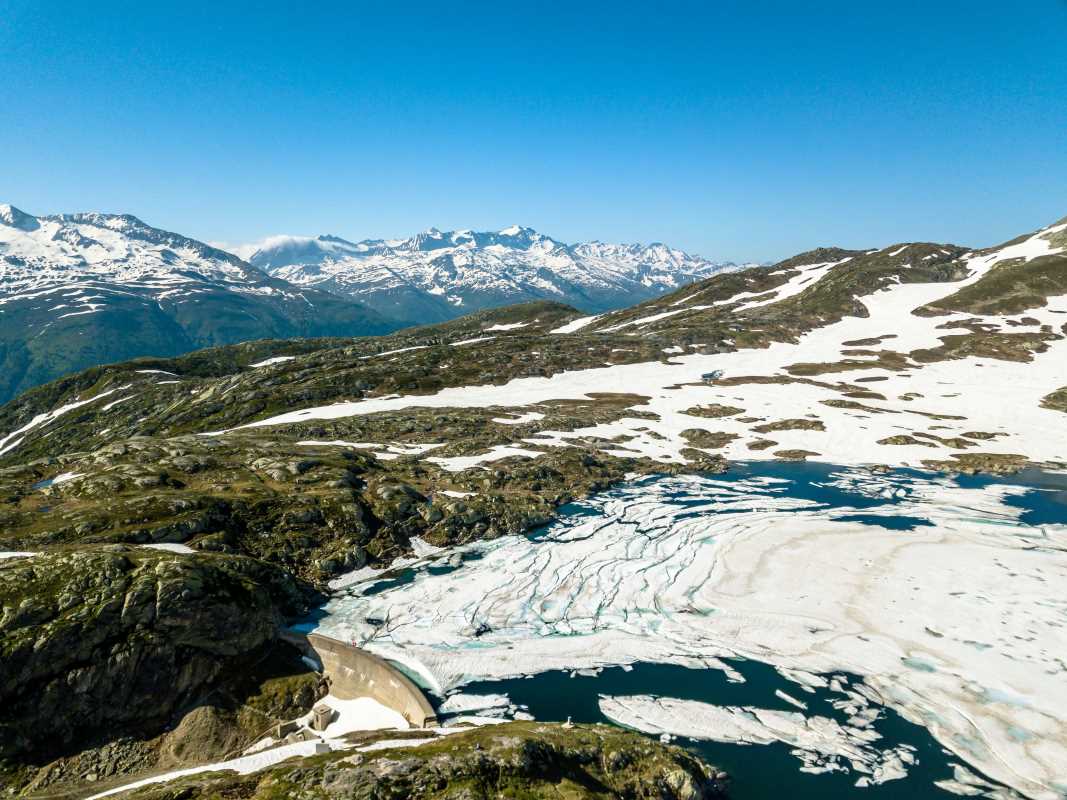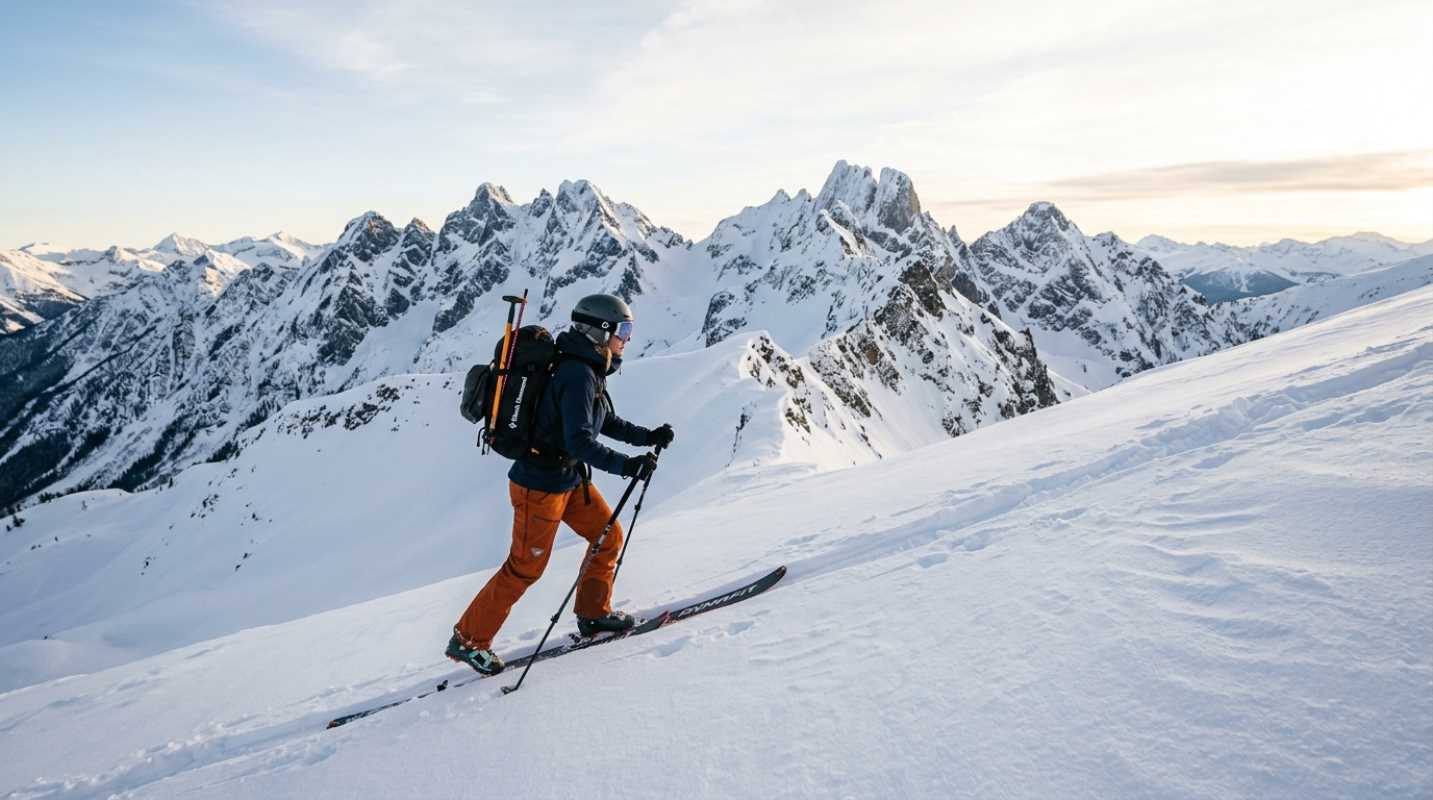
Have you ever stood in a massive lift line, shivering, only to find the run completely scraped clean by noon? It's a common frustration for skiers and snowboarders. More and more riders are choosing to leave the resort boundaries behind to seek out untouched powder and escape the crowds.¹
Backcountry skiing and off-piste snowboarding represent the ultimate freedom. There are no ropes and no grooming machines. It's just you, your gear, and a blank canvas of snow.
But stepping into the backcountry requires a different mindset. It's a mix of high-reward adventure and serious responsibility. If you're ready to trade the hum of chairlifts for the quiet of the wilderness, here are five bucket-list destinations that belong on your radar.
1. Niseko, Japan - The Deepest Powder on Earth
If you dream of bottomless, feather-light snow, Hokkaido is your mecca. The northern island of Japan receives an average of 15 meters of ultra-dry, Siberian-chilled powder every single winter.⁶ This legendary snow, often called "Ja-Pow", is incredibly consistent.
Although Niseko is the most famous spot, crowds have grown over the years. Because of this, many expert riders are shifting their focus to Central Hokkaido, with Furano emerging as a prime backcountry capital.⁸ Furano recently joined the Ikon Pass, which increased resort traffic. This has made the human-powered backcountry nearby even more attractive for those seeking quiet.
When you head out, you'll handle perfectly spaced white birch trees. These trees aren't just beautiful. They provide excellent visibility and storm-skiing options when the high-alpine peaks are completely socked in. For the ultimate challenge, you can tour up the symmetrical crater of Mt. Yotei, an active volcano that offers a descent you'll never forget.
After a long day of hiking and riding, the cultural experience is just as rewarding. You can soak your tired muscles in a traditional volcanic hot spring, known as an onsen, while eating fresh local ramen. It's a ritual that makes the Japanese backcountry experience truly unique.
2. Chamonix, France - The Steep and Deep European Mecca
Chamonix isn't for the faint of heart. Located at the base of the Mont Blanc massif, this French mountain town is famous for some of the most challenging, high-alpine glaciated terrain in the world.
The crown jewel of Chamonix is the Vallée Blanche. This iconic route offers a 20-kilometer descent over active glaciers, surrounded by towering granite peaks. Although it's accessible from the top of the Aiguille du Midi cable car, don't let the easy access fool you.
Navigating this terrain requires serious mountaineering skills. Crevasses and sudden weather shifts are constant hazards. Because of this, hiring a certified mountain guide is absolutely non-negotiable here.
Chamonix is a place where you'll use your harness and rope as much as your skis. It's steep, deep, and offers a massive sense of scale that few other places on earth can match.
3. Revelstoke, British Columbia - Canada’s Big Mountain Playground
Revelstoke is a legendary name in the skiing world, known for massive vertical drops and deep snow. But the real magic lies just down the road at Rogers Pass, located in Glacier National Park. This area is widely considered the highway-side ski touring capital of North America.
The Selkirk Mountains receive between 10 and 14 meters of snow annually. The terrain here offers everything from massive pillow lines and steep glades to technical high-alpine couloirs.
Since this is a high-risk area with the world’s largest mobile avalanche control program, safety rules are strict. Parks Canada expanded its Winter Permit System. Now, all backcountry users must obtain a winter permit, display a parking pass, and pass a mandatory avalanche safety quiz before heading into areas like the Connaught and Illecillewaet valleys.
To handle this highly complex terrain safely, you should use the Granite App. Developed in partnership with local guides, this app maps out verified, safer routes and keeps you off active avalanche paths. Think of it like a digital map that helps you avoid dangerous terrain traps.
4. The Lyngen Alps, Norway - Skiing Under the Northern Lights
Imagine climbing a pristine, snow-covered peak and looking down to see the deep blue waters of an Arctic fjord directly below your tips. That's the reality in the Lyngen Alps, located at 70° North in the Arctic Circle.³
This is the home of "summit-to-sea" skiing. Peaks rise straight out of the ocean to elevations over 1,100 meters.³ The wide-open glacial fields and massive coastal faces are a dream for splitboarders who want to lay down long, high-speed carves on a giant blank canvas.
To get the absolute most out of this trip, experts recommend a "Ski and Sail" experience.³ You can book a multi-day boat charter, like the 15-meter sailboat Jolly, to use as your floating basecamp.³ You'll wake up in a protected fjord, take a zodiac to a roadless beach, and skin straight up the mountain.
The best time to visit is from late March through May. During these months, the snowpack is more settled, the spring corn is perfect, and you'll have nearly endless daylight to explore. If you're lucky, you might even catch the Northern Lights dancing across the sky.
5. Tordrillo Mountains, Alaska - The Ultimate Heli-Accessed Adventure
Alaska is the undisputed holy grail of big-mountain riding. The Tordrillo Mountains, along with the legendary Thompson Pass in Valdez, offer a unique maritime snowpack.
Why does this matter? The moisture in the coastal air allows the snow to stick to incredibly steep angles, up to 50 degrees or more, that would slide off in other mountain ranges. This creates the famous spine lines and steep, narrow couloirs you see in ski movies.
Although Thompson Pass offers incredible roadside ski touring, booking a helicopter assist in the Tordrillos is the ultimate way to access deep, untouched zones. It's high-stakes, high-reward riding for seasoned professionals and advanced recreationalists.
March and April are the prime months to visit. The days are longer, the winter cold has softened, and the snowpack has had time to settle into a stable, velcro-like surface that lets you ride steep faces with confidence.
Top Recommendations for Backcountry Gear
To tackle these demanding, deep-snow destinations, you need the right setup. Here are some of the top-rated freeride and splitboard options recommended by industry experts.
• Amplid Milligram Splitboard: An ultra-lightweight carbon construction designed for maximum efficiency on long, grueling skin tracks without sacrificing downhill power.
• Burton Family Tree Hometown Hero Splitboard: A highly versatile, unisex board featuring a rockered nose for deep powder float and a traditional camber profile underfoot for stability on icy traverses.
• Jones Stratos Splitboard: A favorite for technical, energetic freeriding in complex terrain.
• Korua Pin Tonic: Features long-board volume and a pin-tail design, making it highly maneuverable in deep powder.
• Jones Mind Expander: A playful, surfy board designed to float effortlessly through deep birch glades.
Safety First - Needed Gear and Preparation for 2026
Backcountry riding is incredibly rewarding, but it comes with real risks. As we head into the 2026 season, safety protocols are more important than ever. You should never step past the resort gates without the proper education and gear.¹⁰
At a bare minimum, everyone in your group must carry an avalanche transceiver, a probe, and a metal shovel.¹⁰ Many riders now also carry avalanche airbag packs, which can help keep you on the surface of the snow in the event of a slide.
But gear is useless without the knowledge to use it. Taking a certified avalanche safety course, like an AST 1 or AIARE 1, is the first step. These courses teach you how to read the snowpack, recognize red flags, and perform a rescue.
When visiting a new area, hiring a local, certified mountain guide is the smartest decision you can make. They don't just keep you safe from avalanches and crevasses. They also know exactly where to find the best snow based on the day's wind and temperature.
Your Next Great Adventure Awaits
From the deep birch forests of Japan to the Arctic fjords of Norway, the world is full of incredible backcountry terrain. Each of these five destinations offers a unique mix of culture, challenge, and unforgettable snow.
Chasing the perfect line is a lifelong pursuit, but it should always be done with respect for the mountains. Prioritize your safety, invest in your education, and get the right gear before you head out.
The winter season is already here. It's time to stop dreaming, call your riding partners, and start planning your ultimate backcountry escape.
Sources:
1. 57hours Backcountry Skiing Guide
https://57hours.com/backcountry-skiing/
2. Ontop Mountaineering Hokkaido Backcountry Skiing
https://ontopmountaineering.com/trips/ski/hokkaido-japan-backcountry-powder-skiing/
3. White Room Tours Hokkaido Backcountry Tour
https://www.whiteroomtours.com/guided-japan-tours/hokkaido-backcountry-tour/
4. Arctos Guides Lyngen Norway Ski and Sail Trip
https://arctosguides.com/journal-posts/lyngen-norway-ski-and-sail-trip
5. OutdoorMaster Needed Checklist for Backcountry Skiing
https://outdoormaster.com/blogs/om-blog/the-needed-checklist-for-backcountry-skiing-snowboarding