Have you ever stood in a national park during July and felt like you were stuck in a theme park line? The noise, the crowds, the endless struggle to find a parking spot. It's enough to make you want to stay home.
But what if you could have those same majestic views entirely to yourself?
That's why a growing number of people are packing their bags when the temperature drops. Winter camping is having a massive moment. In fact, nearly a third of all campers now head out during the colder months, which is a massive forty percent jump since 2019.¹
So why are people suddenly trading their swimsuits for snow pants? It comes down to a desire for true solitude and a bit of real adventure. A KOA report showed that thirty-eight percent of campers now plan to camp in the winter, compared to just seventeen percent in previous years.²
This shift has turned winter recreation into a major force. Recently, in 2025, the U.S. camping and caravanning market was valued at over twenty-seven billion dollars, driven by better gear and winterized campsites.⁴
With the right gear and a little preparation, braving the cold transforms from a survival test into a peaceful, bucket-list experience. Let's look at some of the best places to pitch your tent this winter.
The Majesty of the Rockies Rocky Mountain National Park, Colorado
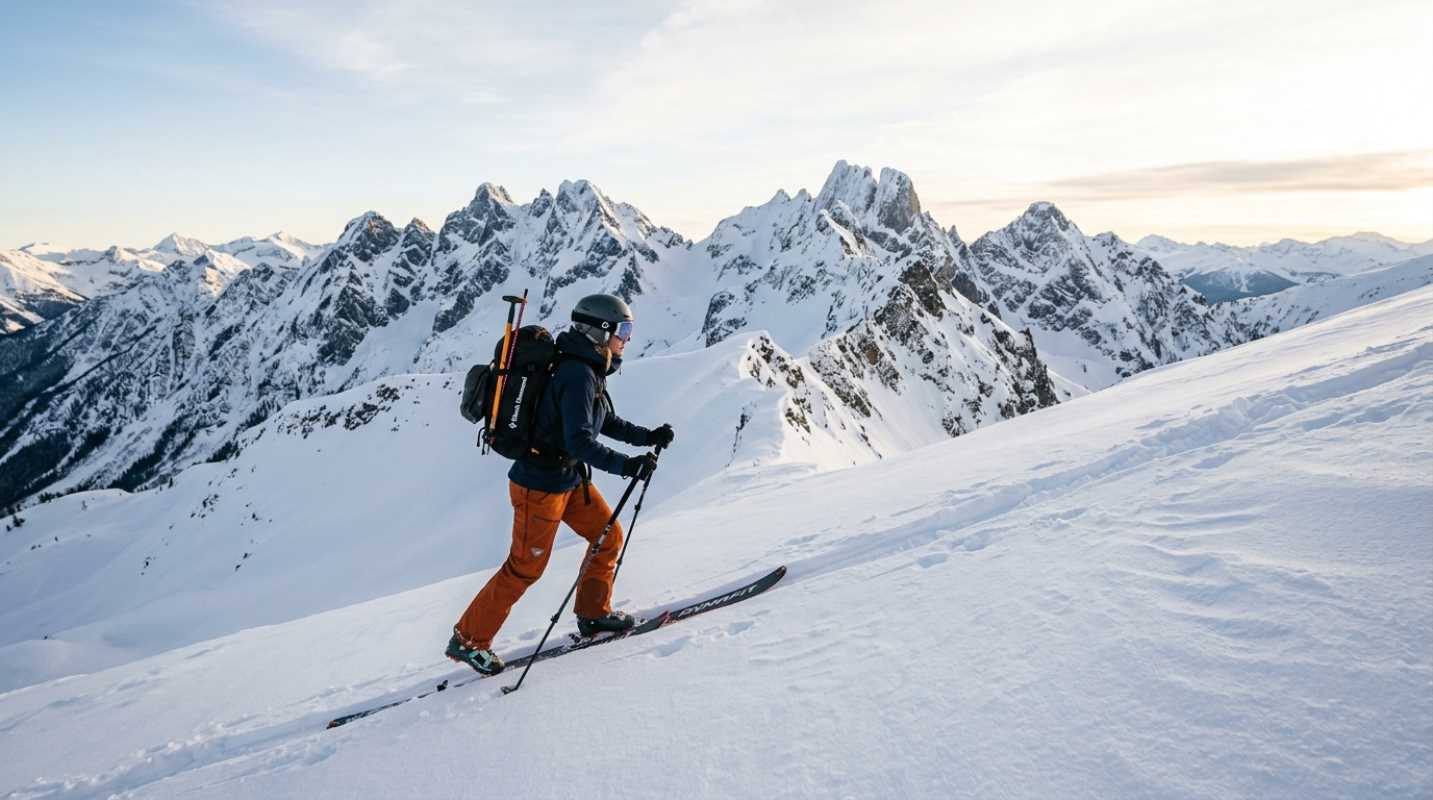
If you want the ultimate snowy wonderland, Colorado is calling your name. Rocky Mountain National Park is one of the premier spots in the country for winter camping, offering dramatic alpine views that look like a living holiday card.
For an accessible yet rugged adventure, head straight to the Moraine Park area. Although many high-altitude areas are blocked by deep snow, Moraine Park stays open year-round and lets you experience the wild beauty of the Rockies without needing a multi-day backcountry trek. You'll likely wake up to elk or moose wandering through the quiet meadows.
If you want to experience the snow but aren't quite ready to sleep on frozen ground, you have great options nearby. Sun Outdoors Rocky Mountains in Granby offers winterized RV sites, glamping Airstreams, and even hot tubs to warm up after a day in the snow.
But don't let the beauty fool you. High-altitude camping requires serious respect. Temperatures here regularly plunge below freezing, and the snowpack can be several feet deep.
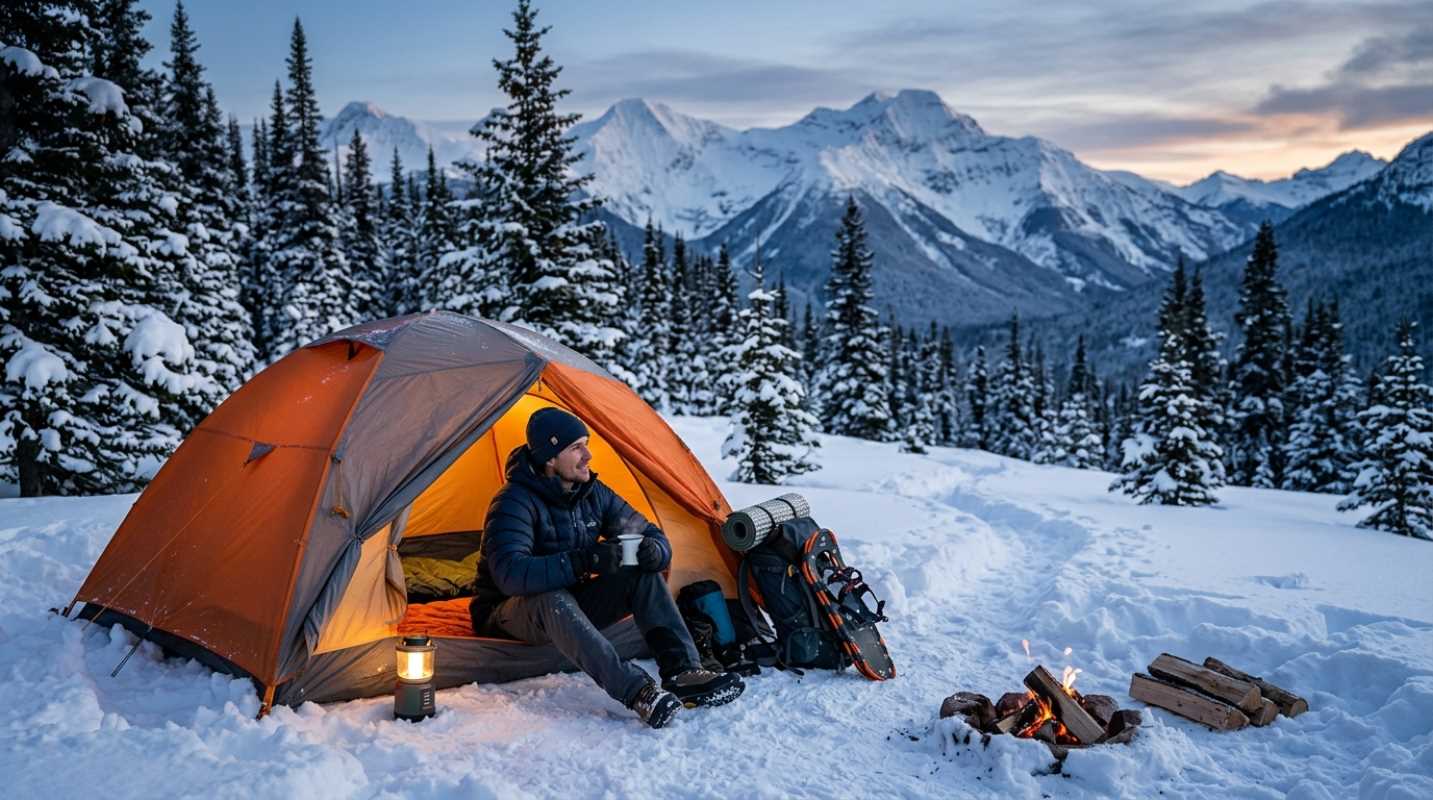
To stay safe, you need to pack down the snow where you plan to sleep. Stomp it down with your boots or snowshoes and let it sit for fifteen minutes to harden. If you skip this, your body heat will melt the loose snow underneath you overnight, leaving you sleeping in an icy, uncomfortable trench.
Northern Lights and Frozen Wilds Voyageurs National Park, Minnesota
Imagine pitching your tent on a giant sheet of ice with nothing but the silent forest around you. That's the reality in Voyageurs National Park, a water-based park on the Canadian border that turns into a frozen playground in winter.
This is one of the few places in the lower forty-eight states where you can experience the thrill of camping on frozen lakes. It feels like you are on another planet.
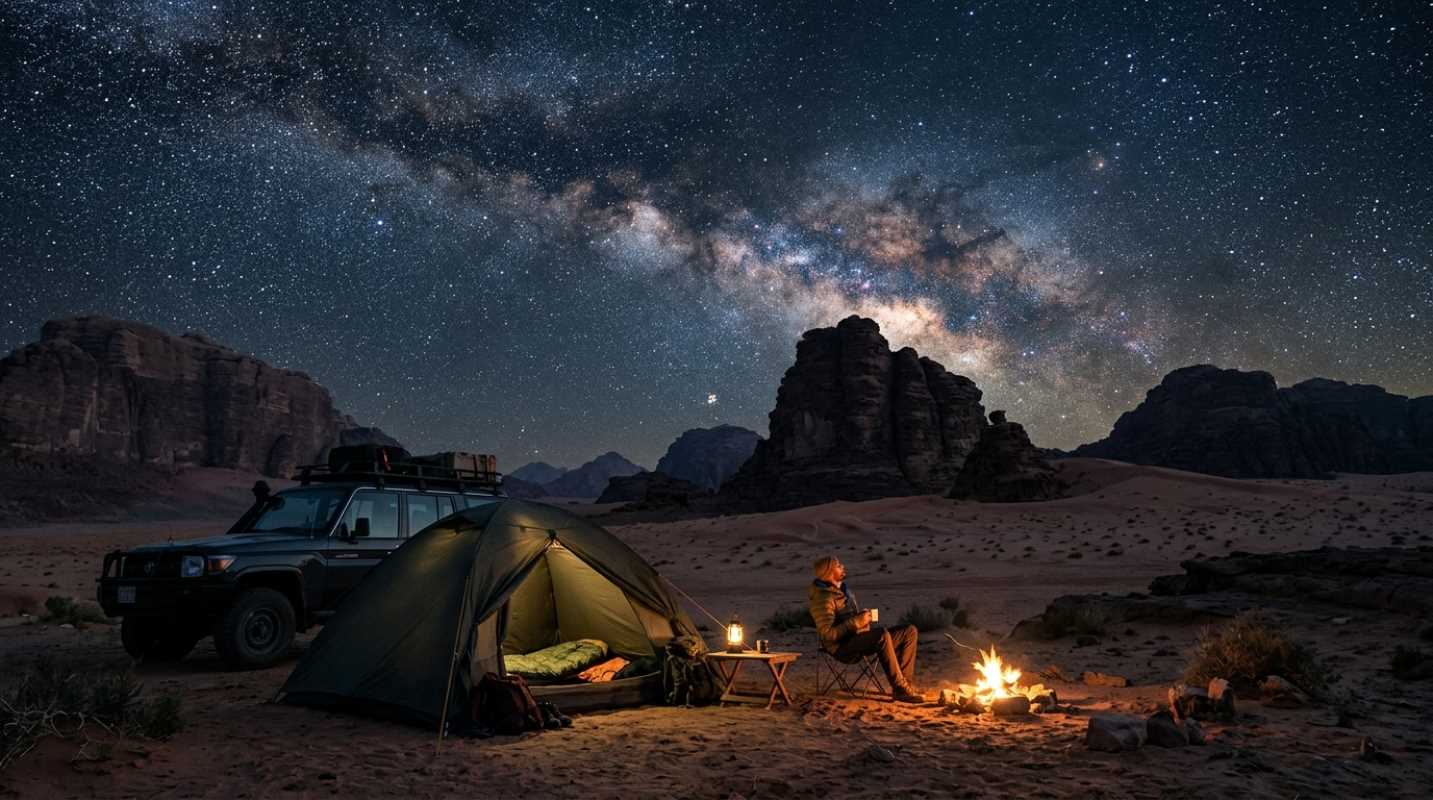
Even better, the long, dark winter nights make this one of the best spots in the country to catch the Northern Lights. There is nothing quite like watching green and purple ribbons dance across the sky from the warmth of your sleeping bag.
Of course, Minnesota winters don't mess around. Temperatures can easily drop below zero, which means you need specialized gear. This is not the place for your standard summer tent.
You'll want a sturdy four-season tent, a sleeping bag rated at least ten degrees colder than the lowest expected forecast, and a high-quality insulated sleeping pad to block the freezing ground.
Coastal Winter Magic Olympic National Park, Washington
Maybe you want a winter adventure but you're not quite ready to freeze your toes off in sub-zero winds. If that sounds like you, the Pacific Northwest is your perfect escape.
Olympic National Park offers a completely different kind of winter magic. Here, you can explore misty, temperate rainforests and rugged coastlines without the summer crowds.
The coast offers relatively mild winter temperatures, usually hovering in the forty-degree range. Instead of dry snow, you'll experience moody fog, dramatic waves crashing against sea stacks, and quiet beaches that feel entirely your own.
It's a striking contrast. You can stand on a wet, sandy beach surrounded by ancient, moss-covered trees while looking up at the snow-capped peaks of the Olympic Mountains in the distance. Just make sure to pack high-quality rain gear, because the Pacific Northwest winter is notoriously wet.
Needed Tips for Surviving and Growing in the Cold
Camping in the winter is incredibly rewarding, but it's also highly unforgiving. If you make a mistake in July, you get wet or bitten by mosquitoes. If you make a mistake in January, things can get dangerous quickly.
To keep your trip safe and fun, follow these expert-tested rules
• The Layering System: Never wear cotton. Cotton absorbs sweat, stays wet, and loses all its ability to keep you warm, which is a fast track to hypothermia. Stick to merino wool or synthetics for your base layer, fleece or down for your middle insulation layer, and a waterproof shell on top.
• The R-Value Rule: Your sleeping bag is only as warm as your sleeping pad. The cold ground will drain your body heat faster than the air. Use an insulated sleeping pad with an R-value of 4.0 or higher, or stack a closed-cell foam pad underneath an inflatable pad to block the freeze.
• The Hot Water Bottle Trick: Before you go to sleep, fill a hard-sided plastic bottle with boiling water, seal it tight, wrap it in a spare sock, and toss it in your sleeping bag. It acts like a personal heater for hours.
• Calorie-Dense Nutrition: Your body burns a massive amount of energy just trying to stay warm. Forget the diet and pack foods high in fat and protein like nuts, cheese, and heavy dehydrated meals.
• Don't Hold Your Pee: If you have to go in the middle of the night, get up and do it. Your body wastes valuable energy keeping that liquid warm, so emptying your bladder actually helps you stay warmer.
• Safety and Leave No Trace: Always check the avalanche forecast before heading out, especially in mountainous areas like the Rockies. For waste, remember that snow melts. Pack out all trash and human waste, as it won't decompose in the snow.
If you are planning to head out into the cold, having the right gear is the difference between an unforgettable adventure and a miserable night. Here are some of the top-rated items to keep you warm and safe.
Embrace the Chill
There is a unique kind of confidence that comes from mastering cold-weather camping. When you wake up in a cozy tent, unzip the door, and look out over a pristine, silent world of snow, the effort feels entirely worth it.
You don't have to wait for summer to find your next great outdoor escape. The winter wilderness is quiet, beautiful, and waiting for you.
So grab your gear, check the forecast, and book your winter adventure. You might just find that winter is your new favorite season.
Sources:
1. A Third of Campers Now Camp in Winter, Says New Data from The Dyrt
https://www.prnewswire.com/news-releases/a-third-of-campers-now-camp-in-winter-says-new-data-from-the-dyrt-302005727.html
2. Winter Camping Heats Up: Over One-Third of Campers Set to Embrace the Chill
https://moderncampground.com/usa/winter-camping-heats-up-over-one-third-of-campers-set-to-embrace-the-chill/
3. US Camping and Caravanning Market Size & Share Analysis - Growth Trends & Forecasts (2024 - 2029)
https://www.mordorintelligence.com/industry-reports/us-camping-and-caravanning-market