There is a moment in every hiker’s life when they stand at a fork in the trail, looking at a map that was last updated during the Nixon administration, and wonder, "Is that river crossing actually passable, or am I about to walk three miles just to find a raging torrent?" Traditionally, the only way to find out was to tighten your bootlaces, heave your pack, and go see for yourself. It was noble work, sure, but also exhausting and occasionally heartbreaking.
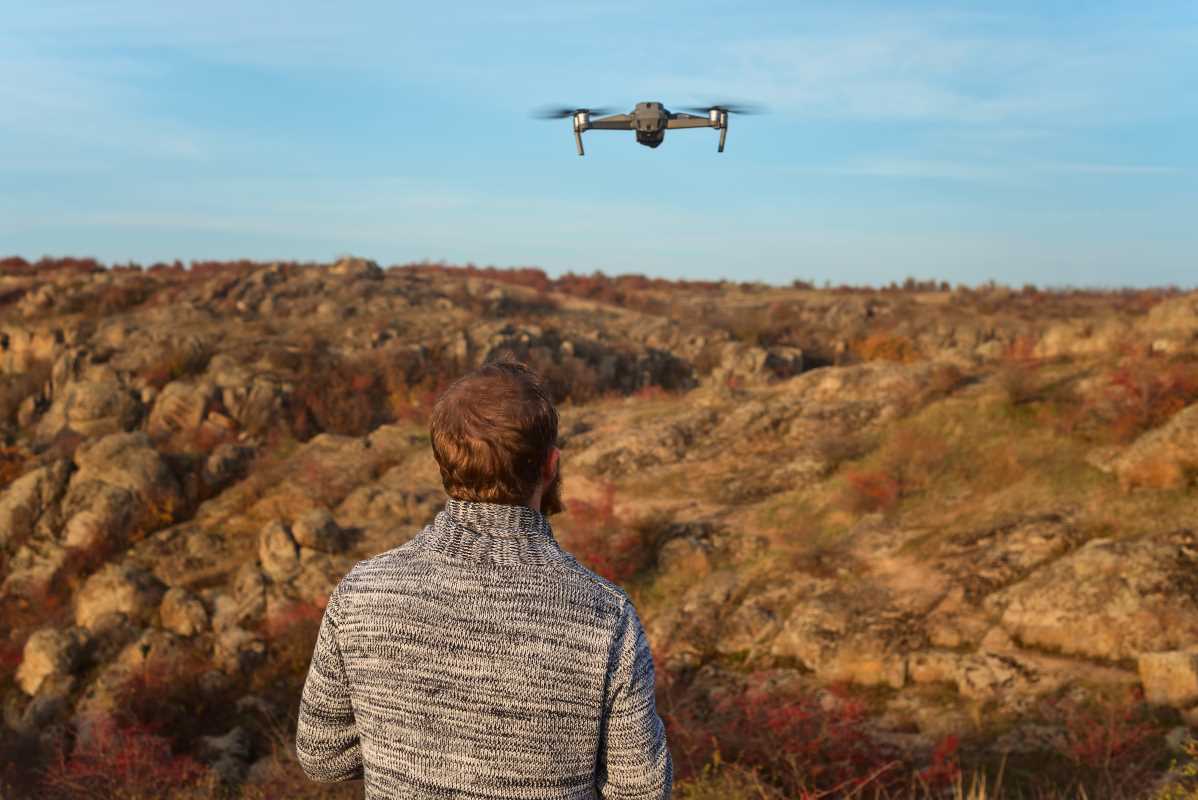
Of course, bringing a drone into the wilderness isn't just about utility; it’s also undeniably fun. There is something deeply satisfying about capturing a sweeping cinematic shot of your campsite that makes your weekend trip look like a National Geographic expedition. However, not all drones are created equal, especially when space in your backpack is at a premium and the nearest power outlet is two days away. Here is a look at the best drones to elevate your scouting game.
The Ultra Lightweight Backpacker Friend
For the ultralight hiker who saws the handle off their toothbrush to save weight, the idea of carrying a drone might seem like heresy. But the industry has responded to the cries of aching backs everywhere with the sub-250-gram category. These miniature marvels are the size of a smartphone when folded and weigh less than a full water bottle. They are the perfect entry point for trail scouting because they demand almost zero sacrifice in terms of pack space.
The magic of this weight class, specifically the 249-gram mark, is largely regulatory. In many regions, drones under this weight don’t require registration, making them a hassle-free option for hobbyists. But don't let the diminutive size fool you. These tiny flyers are packed with sophisticated tech. We are talking about 4K cameras that can see every pebble on the trail and gimbals that keep the footage buttery smooth even when the mountain winds pick up.
When scouting, these lightweight drones shine because you can deploy them in seconds. If you are unsure about a scramble ahead, you can unzip a side pocket, launch from your hand, and have eyes in the sky in under a minute. They are discreet, quiet, and surprisingly capable in moderate winds. While they lack the brute force of their larger cousins, their portability means they are the drone you will actually bring with you, rather than the one you leave in the car because it was too heavy.
The Obstacle Avoidance Wizard For Dense Woods
Flying a drone in a wide-open desert is easy. Flying a drone through a dense forest to scout a potential hammock spot is a recipe for disaster, unless your drone is smarter than you are. If your adventures take you below the treeline, you need a drone equipped with omnidirectional obstacle avoidance. This technology uses a network of vision sensors, cameras looking forward, backward, up, down, and sideways, to build a 3D map of the environment in real-time.
Think of it as a force field. If you try to fly the drone into a pine tree, the drone simply refuses. The best systems go a step further with Advanced Pilot Assistance Systems (APAS). Instead of just stopping, the drone will autonomously plot a path around, over, or under the obstacle while continuing to film. This is invaluable when you are trying to scout a narrow trail corridor. You can focus on looking at the video feed for trail markers or hazards, letting the drone worry about not crashing into branches.
This level of autonomy is a game-changer for solo hikers. Many of these drones feature "Follow Me" modes that can track you as you hike, weaving through trees like a futuristic pet. For scouting, this means you can send the drone ahead through a tricky section of woods to see if the brush clears up, confident that it won't return to you in pieces. It transforms a high-stress piloting experience into a simple, useful tool for gathering information.
The Zoom Lens Specialist For Distant Details
One of the ironies of using a drone for scouting is that to see something clearly, you often have to fly dangerously close to it. Or at least, you used to. The introduction of high-quality telephoto lenses on consumer drones has revolutionized how we scout terrain. Instead of buzzing a potential campsite like an angry hornet to check if the ground is level, you can hang back at a respectful distance and punch in with a zoom lens.
Optical zoom is the key feature here. Unlike digital zoom, which just crops the image and turns everything into a pixelated mess, optical zoom uses physical glass to magnify the image while retaining crisp detail. This allows you to inspect a river crossing from half a mile away to see if the stepping stones are submerged. You can check if a distant peak has snow on the summit without wasting battery flying all the way to the top.
This "stand-off" capability is also fantastic for wildlife safety. If you spot a bear or a moose in the distance, you can observe it safely without disturbing the animal or endangering your equipment.
Here is why a zoom lens is a scout's secret weapon:
- Stealth Scouting: Check campsites for occupancy without annoying the people already there.
- Battery Conservation: See details from afar without expending energy to fly the full distance.
- Hazard Assessment: Inspect rockfalls or washed-out bridges from a safe, remote hover.
- Noise Reduction: Keep your drone high and away, preserving the quiet of nature for others.
The Long Range Endurance Runner
Scouting takes time. You aren't just flying up to take a selfie; you are methodically scanning the terrain, looking for water sources, flat ground, or game trails. This requires a battery that can go the distance. In the early days of drones, you were lucky to get 15 minutes of flight time. Today, the endurance champions of the drone world are pushing 40 to 45 minutes on a single battery.
In real-world conditions, fighting wind and flying aggressively, that translates to a solid 30+ minutes of usable scouting time. That is enough to fly two miles up a valley, thoroughly inspect a potential route, and return to home base with a safety margin. This extended range is facilitated by advanced transmission systems. We aren't using Wi-Fi anymore; modern drones use proprietary radio transmission tech (like DJI's OcuSync) that provides a crystal-clear live video feed from miles away.
This range and endurance combination means you can scout an entire day's hike from your morning coffee spot. You can launch the drone, fly it over the ridge you are dreading, and see exactly what the switchbacks look like. You can find the path of least resistance through a boulder field before you ever step foot in it. For the serious explorer, this efficiency is priceless. It saves calories, saves time, and prevents the demoralizing realization that you have hiked into a dead end.
The Weather Resistant Workhorse
Nature is indifferent to your electronics. The weather in the mountains can shift from sunny to stormy in the blink of an eye. While most consumer drones are not waterproof, there is a class of enterprise-adjacent and ruggedized drones built to withstand more punishment than your average flying camera. These are the workhorses for the adventurer who doesn't pack up just because the wind picks up.
High wind resistance is the most critical "weather" feature for a scout drone. If you are flying in a canyon or on an exposed ridge, gusts can easily exceed 20 mph. A lesser drone will get blown away or exhaust its battery just trying to hover in place. The best drones in this category have powerful motors and aerodynamic designs that allow them to slice through Level 5 winds (up to 24 mph) with stability. They hold their position like a rock, ensuring your scouting footage is steady and usable.
While fully waterproof drones are rare and often bulky, many high-end folding drones are built with tighter tolerances and better motor protection, allowing them to survive a light mist or a sudden sprinkle while you race back to land. They also tend to have wider operating temperature ranges, functioning reliably in freezing mornings or scorching desert afternoons. If your scouting missions take you into harsh environments, investing in a drone that prioritizes build quality and motor power over fancy gimmicks is essential.
Using a drone for scouting is about enhancing your connection to the landscape, not replacing it. It gives you a perspective that was once reserved for eagles and people with very expensive helicopters. By choosing the right tool, whether it's a pocket-sized spy or a zoom-lens equipped surveyor, you can hike smarter, safer, and with a much better idea of what lies ahead. Just remember to pack extra batteries; the view from up there is addictive.