 (Image via
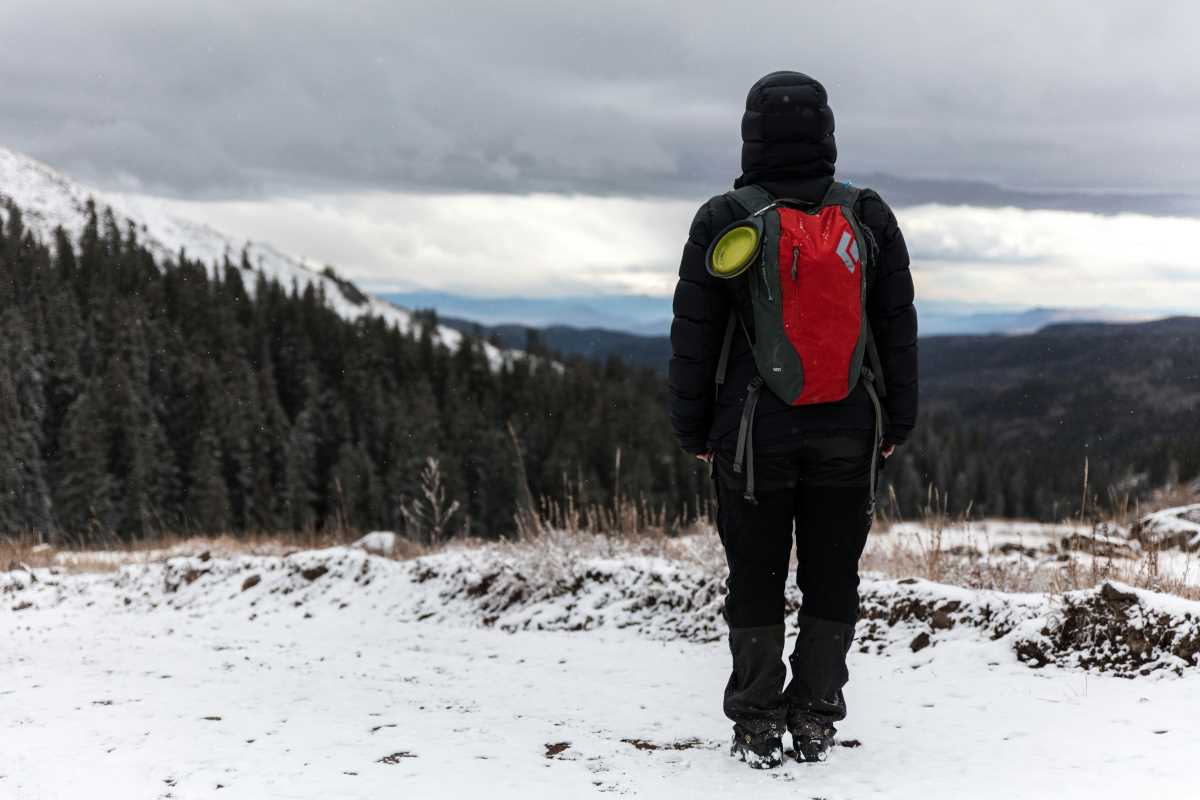
Winter hiking offers a unique and serene beauty, from snow-dusted trees to the crisp, quiet air. However, staying warm without becoming a walking marshmallow of bulky layers is a constant challenge. Traditional layering is effective, but it can be cumbersome and restrictive. This is where heated jackets come in, revolutionizing how we approach cold-weather adventures. By integrating battery-powered heating elements, these modern marvels provide on-demand warmth, allowing you to stay comfortable and agile on the trail, no matter how low the temperature drops.
Choosing the right heated jacket can feel overwhelming with all the options available. It’s not just about turning on the heat; it's about finding a jacket that can withstand the rigors of the trail, offer reliable power, and keep you protected from the elements. This guide will break down the essential features to consider when selecting a heated jacket for your winter hikes, ensuring you invest in a piece of gear that will become an indispensable part of your cold-weather kit.
Considering Battery Life and Power
The heart of any heated jacket is its battery. For a winter hike, you need a power source that can last for your entire trek. Look for jackets that offer long-lasting lithium-ion batteries, and pay close attention to the manufacturer's stated run times. These are often listed for different heat settings, low, medium, and high. A jacket might boast a 10-hour battery life, but that's almost always on the lowest setting. For hiking in genuinely cold conditions where you'll likely use medium or high heat, a realistic battery life of 4-6 hours is a more practical benchmark to look for.
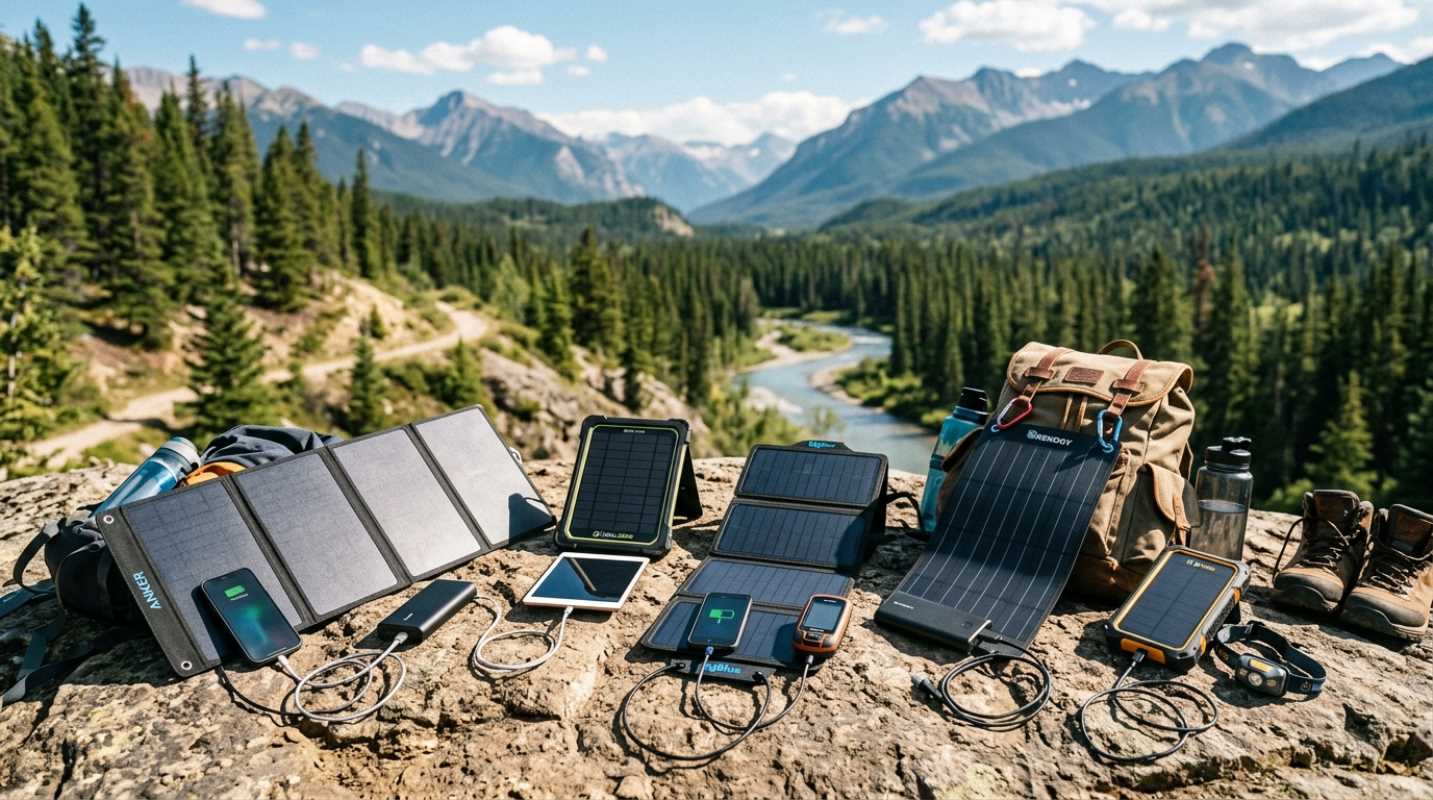
Beyond longevity, consider the battery's versatility. Many modern heated jackets feature batteries with USB ports, allowing them to double as a power bank for charging your phone or GPS device in an emergency. This multi-functionality is a huge plus for hikers who need to keep their essential electronics alive. Also, check if spare batteries are readily available for purchase. For all-day epics or multi-day trips, having a second charged battery in your pack is not just a convenience; it's a critical piece of your safety gear.
Understanding Heating Zones and Control
Not all heated jackets warm you up in the same way. The placement and number of heating zones are crucial for effective warmth. Most jackets have core heating zones in the chest and back, as this is the most efficient way to maintain your body's overall temperature. For hikers, look for jackets that also include heating elements in the collar or hand pockets. A heated collar can feel incredibly luxurious on a windy ridge, while heated pockets provide a quick way to restore warmth and dexterity to your fingers without fumbling for gloves.
Equally important is the ability to control the heat. Most jackets offer at least three settings (low, medium, high), typically controlled by a simple button on the chest. Some more advanced models offer dual controls, allowing you to adjust the heat for different zones independently. For example, you could have the chest on high and the back on low to fine-tune your comfort level as your activity level changes. This granular control prevents overheating during a steep ascent while still providing essential warmth during a rest break.
Evaluating Material and Durability
A heated jacket for hiking must be more than just warm; it needs to be tough. The outer shell should be made from a durable, ripstop fabric that can withstand scrapes from branches, rocks, and the general wear and tear of the trail. Look for materials like nylon or polyester with a reinforced weave. The construction quality is also key. Check for robust zippers, reinforced seams, and high-quality stitching. A jacket that falls apart after a few adventures is not a worthy investment, no matter how warm it is.
The interior material is just as important for comfort. A soft, fleece-lined interior not only adds an extra layer of insulation but also feels comfortable against your skin or base layer. The jacket should be designed to move with you, so look for features like gusseted underarms and articulated sleeves that allow for a full range of motion when you're scrambling over obstacles or using trekking poles. Durability and comfort are not mutually exclusive; a well-designed jacket will provide both without compromise.
Assessing Weather Resistance
Winter weather is unpredictable. A good heated hiking jacket must offer protection from wind and moisture. Look for a jacket with a wind-resistant outer shell to prevent cold gusts from stealing your warmth. While most heated jackets are not fully waterproof (the electronics and waterproofing membranes can be a tricky combination), they should at least be highly water-resistant. A durable water repellent (DWR) finish is essential, as it will cause light rain or snow to bead up and roll off, keeping you dry in a sudden squall.
For serious winter hikers, consider a heated jacket that is designed as a mid-layer. These are often slimmer and less bulky, designed to be worn under a fully waterproof and windproof hardshell. This layering system offers the ultimate in versatility and protection. You get the on-demand warmth of the heated layer combined with the bombproof weather protection of your outer shell, creating a system that can adapt to everything from a calm, cold day to a full-blown winter storm.
Finding the Right Style and Fit
While function is paramount, the style and fit of your jacket affect both comfort and performance. A heated jacket should have an athletic or "active" fit, snug enough to keep the heating elements close to your body for efficient heat transfer, but with enough room to wear a base layer or two underneath. A jacket that is too loose will allow heat to escape, while one that is too tight will restrict movement. Always check the manufacturer's sizing chart and read reviews to see how the jacket fits on real people.
Consider the jacket's features and how they fit your hiking style. An adjustable hood is crucial for protecting your head and neck from the wind. Cinch cords at the hem and adjustable cuffs help to seal out drafts and trap warmth inside. The overall weight and packability of the jacket are also important considerations. A lighter, more compressible jacket is easier to stuff in your pack when you're not wearing it. Ultimately, the best jacket is one that fits you well and has the features you need to stay comfortable and safe on your specific adventures.