 (Image via
There is a romantic notion that heading into the great outdoors requires stripping away the trappings of modern life, leaving only you, a knife, and perhaps a very stoic attitude towards discomfort. While there is certainly merit to simplicity, let’s be real: technology is cool. And when applied correctly to the wilderness, it doesn't detract from the experience, it enhances it. It turns "I hope this water doesn't kill me" into "I know this water is safe." It transforms a cold, miserable night into a cozy retreat. It allows us to venture further, stay safer, and maybe even enjoy a decent espresso while sitting on a log.
The Portable Water Purifier That Uses UV Light
Water is heavy. Carrying enough of it for a multi-day trek is a surefire way to ruin your back and your mood. The solution has always been to filter water from natural sources, but traditional pumps are tiring, and chemical tablets taste like a swimming pool accident. Enter the UV water purifier. This technology has been used in municipal water treatment for years, but it has now shrunk down to a size that fits in your water bottle pocket.
The concept is deceptively simple: high-intensity ultraviolet light scrambles the DNA of bacteria, viruses, and protozoa, rendering them unable to reproduce and make you sick. The latest gadgets in this space are incredibly sleek. Some are designed as bottle caps that screw directly onto your favorite wide-mouth water bottle. You simply fill the bottle from a stream, press a button on the cap, and give it a shake. In sixty seconds, you have safe drinking water. No pumping, no waiting for chemicals to react, and absolutely no weird aftertaste.
What makes the newest models so exciting is their smart integration. Some feature self-cleaning modes that activate automatically every few hours to keep your bottle from getting funky. Others use internal sensors to ensure the water is clear enough for the light to penetrate effectively, warning you if you need to pre-filter that murky pond water. It is a seamless, elegant solution to one of the most fundamental needs of survival. It frees you from the weight of water and the drudgery of pumping, letting you hydrate with the confidence of a scientist.
The Wearable Air Conditioner For Your Neck
We have mastered the art of keeping warm outdoors with down jackets and merino wool. But keeping cool? That has always been a struggle. When the mercury climbs and the humidity spikes, hiking can feel less like an adventure and more like a punishment. Fans just push hot air around, and wet towels eventually dry out. However, a new category of wearable tech is tackling this problem with thermodynamics.
These devices look like futuristic headphones that sit around your neck, but instead of pumping out bass, they pump out cold. They utilize Peltier plates, thermoelectric modules that get cold on one side when an electrical current passes through them. These plates sit directly against the major blood vessels in your neck. By cooling the blood flowing to your brain, they trick your body into feeling significantly cooler than the ambient temperature. It is essentially a heat sink for your biological system.
The latest iterations are surprisingly sophisticated. They don't just blast cold; they regulate it. Using accompanying apps, you can set specific temperature profiles or even have the device switch between cooling and heating modes. Yes, heating too. On a chilly morning, the same device can warm your neck to take the edge off.
Here is why this tech is a game-changer for summer adventures:
- Active Cooling: It doesn't rely on evaporation, so it works even in 100% humidity.
- App Control: precise temperature adjustments to preserve battery life.
- Dual Mode: useful year-round for both heat waves and cold snaps.
- Ergonomic Design: designed to stay put even while hiking or trail running.
The Smart Telescope That Finds The Stars For You
Stargazing is one of the purest joys of camping. Staring up at the Milky Way reminds us of our place in the universe. But actually identifying what you are looking at can be frustrating. "Is that Mars, or is it a plane?" Traditional telescopes require a steep learning curve, demanding knowledge of equatorial mounts and star charts. The new breed of smart telescopes has completely democratized astronomy.
These devices are essentially robots with optics. They look more like sleek futuristic pods than the long tubes of yesteryear. You set the telescope down on a tripod, and it uses GPS and plate-solving technology to figure out exactly where it is and where it is pointing. You then open an app on your phone and select a target, say, the Andromeda Galaxy. The telescope automatically slews to the correct coordinates, locks on, and begins tracking the object as it moves across the sky.
But the real magic happens in the imaging. These are "digital" telescopes. Instead of looking through an eyepiece, the image is captured by a highly sensitive sensor and stacked in real-time on your smartphone or tablet. This allows the telescope to cut through light pollution and reveal colors and details in nebulae that are invisible to the naked human eye. You can sit around the campfire with your friends, passing an iPad around to watch a live, developing image of a galaxy millions of light-years away. It turns a solitary, complex hobby into a shared, accessible, and deeply awe-inspiring group activity.
The Campfire Stove That Charges Your Phone
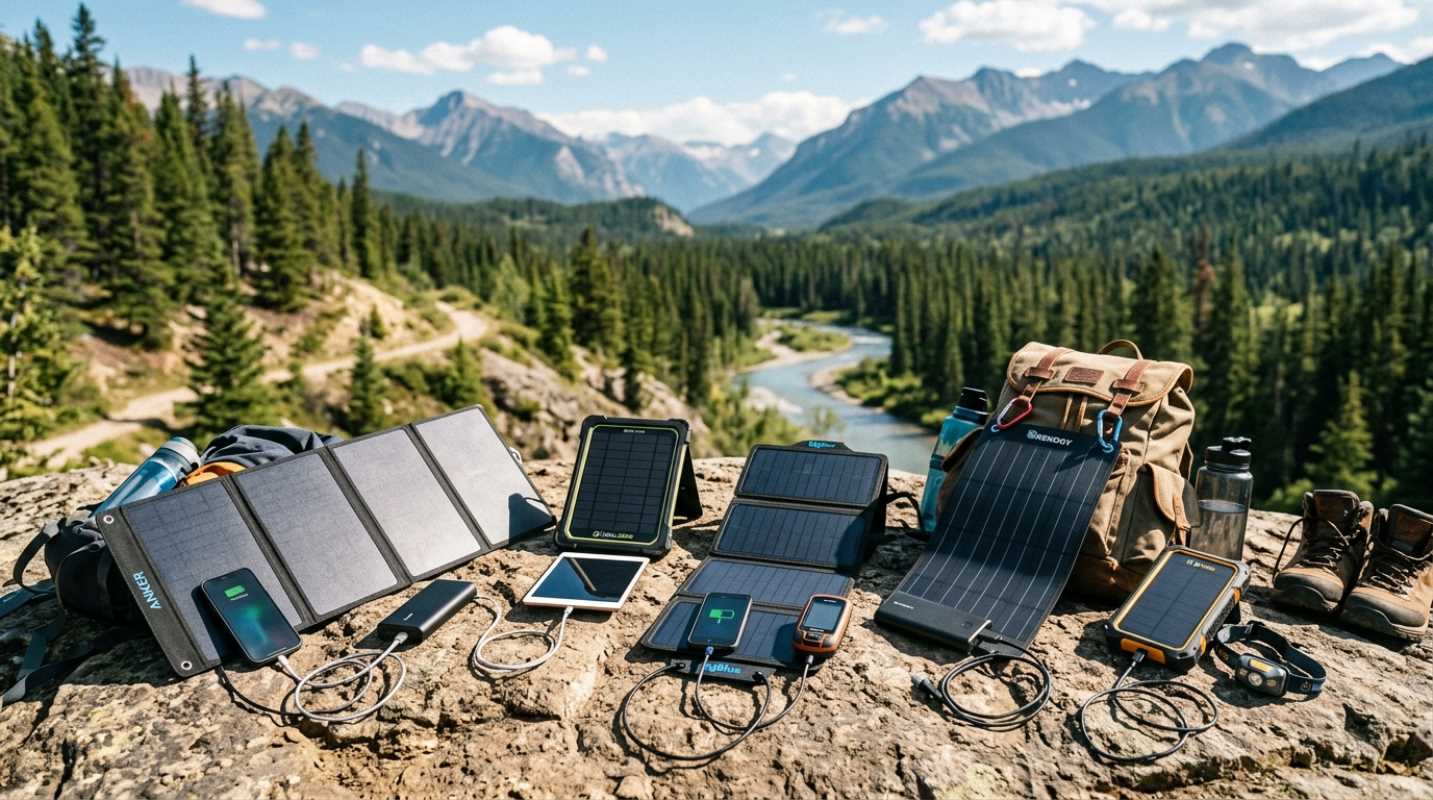
Fire is the original technology. It gave us warmth, cooked food, and protection. Now, it gives us battery percentage. Biolite technology has been around for a bit, but the newest generation of thermoelectric camp stoves has refined the process into something truly reliable and efficient. These gadgets turn the heat from your cooking fire into usable electricity.
The mechanism uses a thermoelectric generator attached to the burn chamber. As you burn twigs, pinecones, or wood pellets to boil your water or grill your burgers, the heat differential generates electricity. This power runs an internal fan that injects air back into the fire, creating a smokeless, hyper-efficient vortex of flame. The excess electricity is sent to a USB port, allowing you to plug in your phone, headlamp, or GPS watch.
The latest models have significantly increased their power output and battery storage capacity. They now feature onboard batteries that store the energy you generate while cooking, so you can charge devices even after the fire is out. The "smokeless" aspect is also a huge selling point. By burning the wood so efficiently, you eliminate the stinging eyes and smoky clothes that usually accompany a campfire. It’s a brilliant loop: you gather fuel to cook your dinner, and in doing so, you generate the power to keep your navigation tools alive for the next day's hike. It feels like getting something for nothing, which is the best kind of feeling in the backcountry.
The Satellite Communicator That Fits On Your Keychain
For years, satellite communication meant carrying a device the size of a walkie-talkie with a giant antenna. It was heavy, expensive, and purely utilitarian. The shrinking of technology has finally hit the satellite sector, resulting in communicators so small you might lose them in your pocket. These new devices are barely larger than a car key fob, yet they provide a global lifeline that works where cell towers fear to tread.
Despite their diminutive stature, these gadgets pack a serious punch. They pair via Bluetooth with your smartphone, utilizing a slick app interface to send and receive text messages over satellite networks. This means you can type out a full message on your phone's familiar keyboard rather than painfully scrolling through letters on a tiny device screen. They offer two-way messaging, location tracking, and weather reports. Most importantly, they have a dedicated, physical SOS button on the device itself. Even if your phone dies or gets smashed, you can still trigger a rescue with a single press.
The battery efficiency on these tiny communicators is staggering, often lasting for weeks on a single charge in standard tracking modes. They represent a shift in safety philosophy. Because they are so small and light, there is absolutely no excuse not to bring one. They don't require a dedicated pouch or a weight-benefit analysis; you just clip it to your pack and forget it until you need it. This accessibility makes the wilderness safer for everyone, allowing you to stay connected to loved ones and emergency services without weighing yourself down.
Embracing these new gadgets doesn't mean you are cheating at nature. It means you are adapting. You are using human ingenuity to solve the age-old challenges of exposure, hydration, and isolation. Whether it's a telescope that reveals the cosmos or a neckband that fights the heat, these tools allow you to focus less on survival and more on the experience. So go ahead, charge up your gear, and get out there. The future of the outdoors is looking bright.