 (Image via
In moments of crisis, whether you're lost on a remote trail, stranded by a natural disaster, or facing an unexpected power outage, the technology in your pocket or pack can become your most valuable asset. While we often think of tech as a tool for convenience or entertainment, a select category of gadgets is engineered for a much higher purpose: survival. These devices are built to function when all else fails, providing communication, power, and vital information when you need it most.
Having the right emergency tech gear is like carrying a modern survival kit. It bridges the gap between being a victim of circumstance and taking control of your safety. From summoning help from the most isolated corners of the globe to simply keeping your phone alive to contact family, these tools are designed for resilience and reliability. This guide explores five essential pieces of emergency tech that are worth the investment and could, quite literally, save your life.
Satellite Communicators
When you venture beyond the reach of cell towers, your smartphone becomes little more than a camera. This is where a satellite communicator becomes the most critical piece of gear you can carry. These devices operate on global satellite networks, like Iridium or Globalstar, allowing you to send and receive text messages, share your GPS location, and, most importantly, trigger an SOS alert from anywhere on the planet. Pressing that SOS button connects you directly to a professional 24/7 emergency response coordination center, which can dispatch search and rescue teams to your exact coordinates.
Modern satellite communicators are remarkably user-friendly, often pairing with a smartphone app via Bluetooth to make typing messages simple. They provide peace of mind not only for you but also for your loved ones, who can track your progress on a map and exchange messages to know you are safe. For hikers, climbers, boaters, or anyone who travels in remote areas, carrying a device like a Garmin inReach or a ZOLEO Satellite Communicator transforms a potentially fatal situation into a manageable emergency.
High-Capacity Portable Power Banks
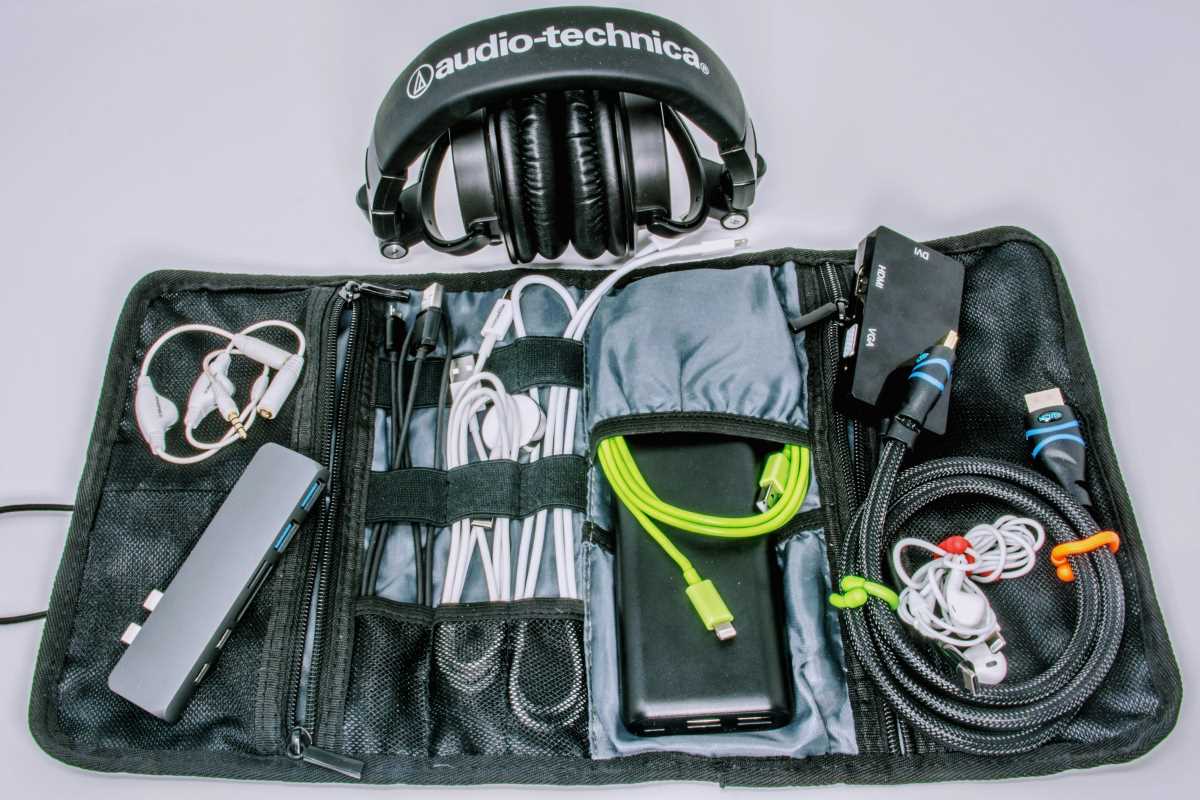
In almost any emergency scenario, from a backcountry incident to a city-wide blackout, your smartphone is your primary tool for communication and information. But it is useless without power. A high-capacity portable power bank is an essential piece of emergency gear that ensures your critical devices stay charged. Look for a ruggedized model that is water-resistant and shock-proof, with a capacity of at least 20,000mAh. This is enough to charge a standard smartphone multiple times, providing a reliable power supply for several days.
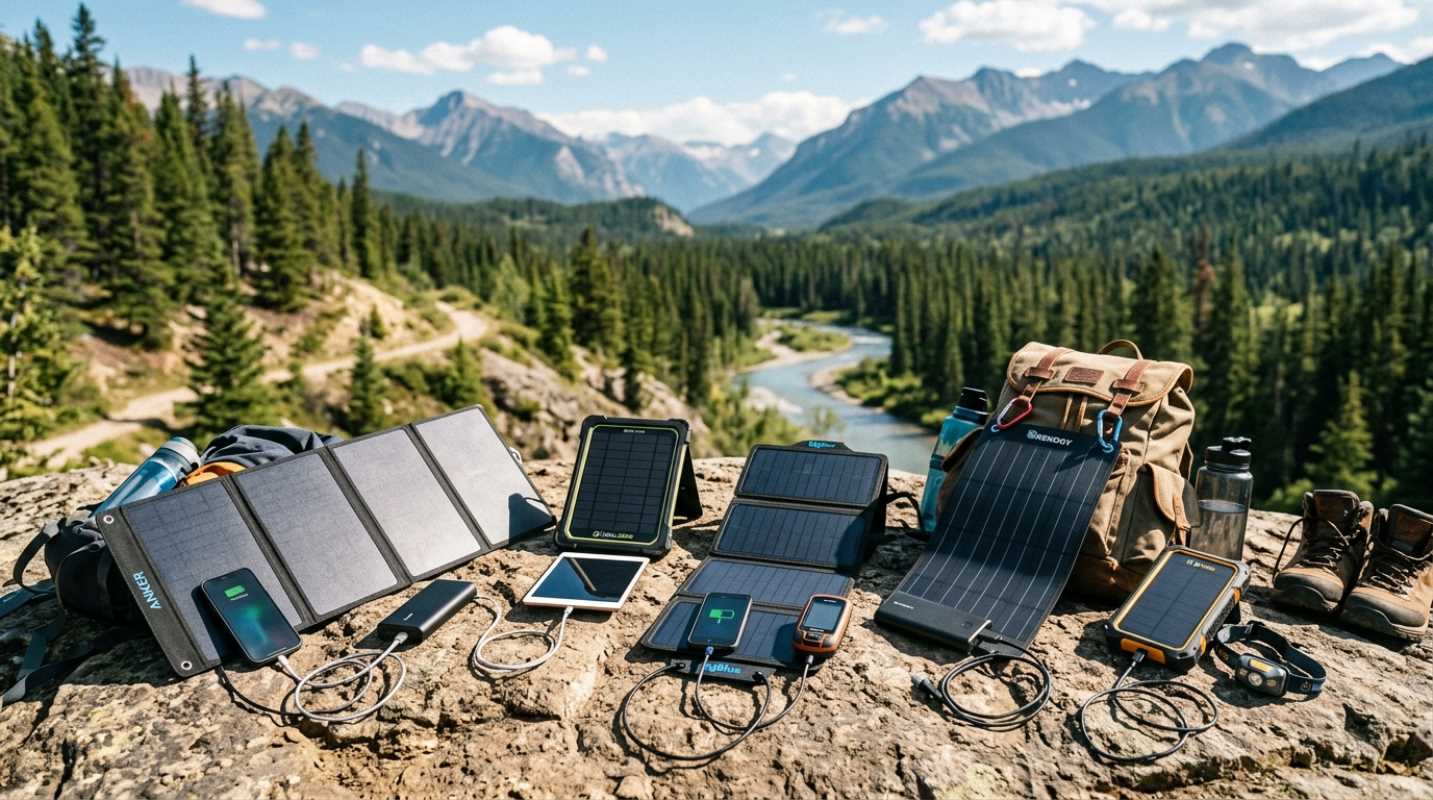
When selecting a power bank for an emergency kit, consider models that offer multiple output ports (USB-A and USB-C) to charge different devices simultaneously. Some advanced power banks even come with integrated solar panels. While these panels charge slowly, they can provide enough trickle charge in a prolonged outage to make a crucial phone call. Storing a fully charged, high-quality power bank in your go-bag or vehicle ensures that your line to the outside world remains open when you need it most.
Multi-Tool Gadgets
An emergency is often a series of small problems that need solving quickly. A quality multi-tool, like those made by Leatherman or Gerber, is a compact toolbox that can tackle dozens of unexpected challenges. These devices pack an incredible amount of utility into a small frame, typically including pliers, wire cutters, knives, screwdrivers, a can opener, and scissors. Whether you need to make a repair to your gear, cut strips from clothing to make a bandage, or open a can of food during a power outage, a multi-tool provides the means to do so.
When choosing a multi-tool for an emergency kit, prioritize durability and function over having the highest number of tools. Look for models with locking blades for safety and high-quality steel that will not fail under pressure. Some multi-tools now even incorporate modern survival features like a fire-starting ferro rod or an emergency whistle. Having one of these versatile gadgets on your belt or in your pack means you are better equipped to improvise, adapt, and overcome the physical challenges that a crisis can present.
Personal Locator Beacons (PLBs)
A Personal Locator Beacon, or PLB, is a device with a single, vital purpose: to signal for help in a life-or-death situation. Unlike a satellite communicator, a PLB does not offer two-way messaging. When activated, it transmits a powerful 406 MHz distress signal to the Cospas-Sarsat satellite system, which is monitored by international search and rescue authorities. This signal contains a unique code registered to you, immediately telling rescuers who you are and where you are. The device also transmits a lower-power 121.5 MHz homing signal that helps ground crews pinpoint your location once they are in the area.
PLBs are designed for absolute reliability. They are incredibly durable, waterproof, and have a battery life that lasts for years in storage. There are no subscription fees required; once you purchase and register the device, it is ready to go. A PLB is your ultimate safety net, a last-resort button that you hope you never have to press. For solo adventurers or anyone heading into exceptionally remote and dangerous environments, it offers an unparalleled level of assurance that help can be summoned, no matter what.
Emergency Radios
During a widespread natural disaster like a hurricane, earthquake, or wildfire, power grids and cellular networks are often the first things to fail. In these situations, an emergency radio becomes your sole source of critical information. These devices are designed to receive broadcasts from the NOAA Weather Radio All Hazards network, which provides official updates on weather conditions, evacuation orders, and civil emergency alerts. Having access to this information can guide your decisions and help you stay out of harm's way.
Look for an emergency radio that offers multiple power options. The best models include a hand crank, a small solar panel, and a rechargeable internal battery, with the option to use disposable batteries as a backup. This redundancy ensures you can power the device no matter the circumstances. Many emergency radios also include a built-in flashlight and a USB port for charging a phone, making them a multi-functional hub for off-grid survival. It’s a low-tech solution for a high-tech failure, and a must-have for any home emergency kit.