 (Image via
There is a specific kind of panic that sets in when you are deep in the woods, the sun is starting to dip below the treeline, and the trail you were supposedly following seems to have evaporated into a patch of aggressive ferns. You pull out your phone, hoping for a miracle, only to be greeted by the dreaded "No Service" icon. It’s a humbling moment. It’s the moment you realize that relying on a device designed for TikTok to navigate the wilderness was, perhaps, an optimistic choice.
Unlike your smartphone, a dedicated GPS device is built to survive a tumble down a ravine, a dunk in a creek, and temperature swings that would make an iPhone shut down in protest. They have batteries that last for days, screens that are readable in blinding sunlight, and satellite connections that reach the most remote corners of the globe. Whether you are a casual day hiker or a backcountry hunter, having one of these in your pack transforms "I think we're lost" into "I know exactly where the truck is." Here are five of the best GPS devices to keep you on the right path.
The Touchscreen Titan For The Modern Hiker
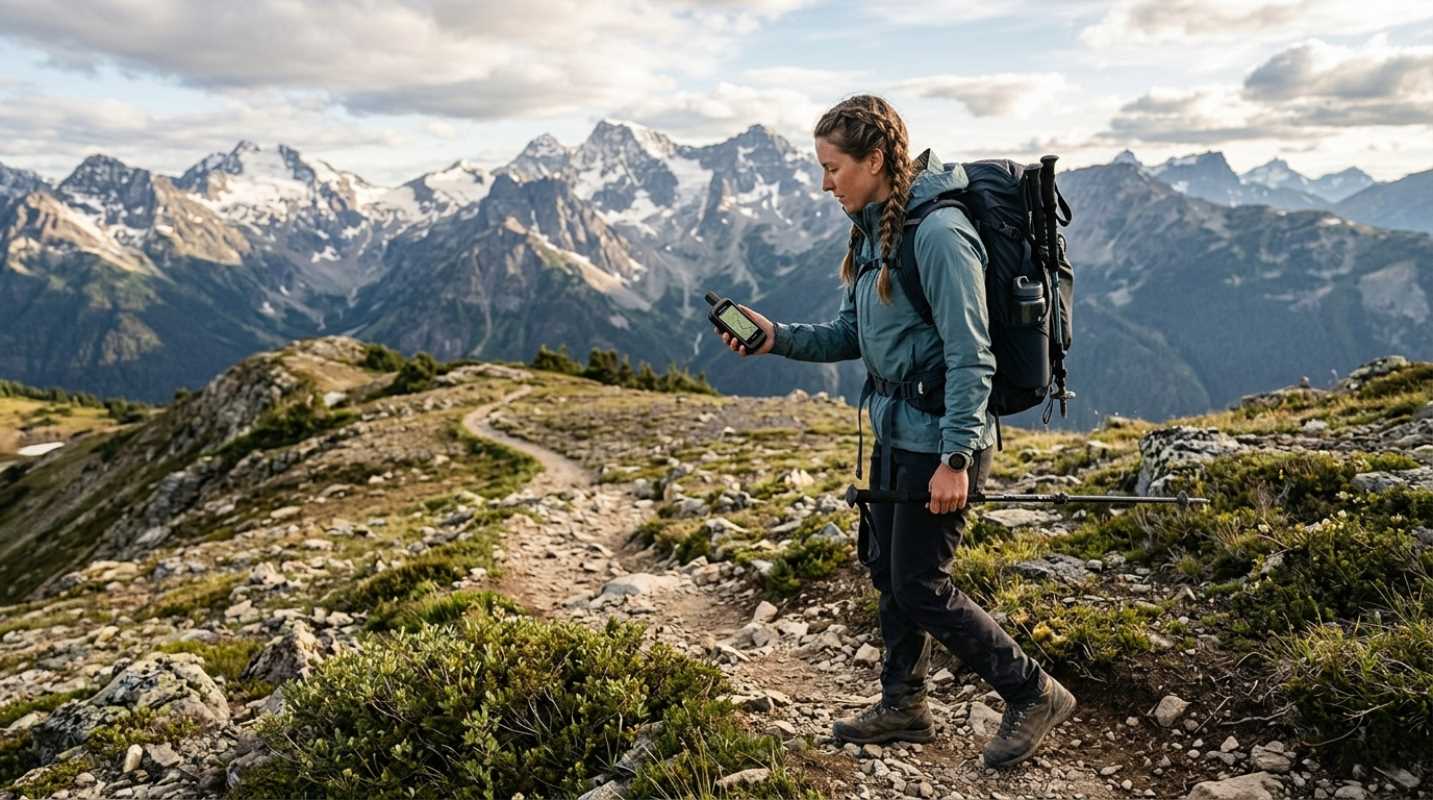
For those of us who have become accustomed to the swipe-and-tap interface of a smartphone, switching to a clunky, button-mashing GPS unit can feel like stepping back into the 1990s. This is why touchscreen handhelds have become so popular. They bridge the gap between rugged utility and modern usability. The best devices in this category feature large, sunlight-readable displays that respond even when you are wearing gloves or when the screen is wet (a crucial detail that your phone likely fails at).
These units are often packed with features that go beyond simple navigation. We are talking about 8-megapixel cameras that geotag your photos, preloaded topographical maps that show you every contour line and elevation change, and wireless connectivity that lets you sync your routes to your computer without hunting for a cable. The interface is intuitive, allowing you to pinch-to-zoom on maps and quickly drop waypoints with a tap.
However, the real magic is in the ecosystem. Top-tier touchscreen units often support "Active Weather" forecasts, giving you real-time radar overlays on your map screen so you can see if that dark cloud is a passing shower or a storm you need to outrun. They also integrate with geocaching platforms, turning your hike into a high-tech treasure hunt. If you want a device that feels familiar but acts tough, a high-quality touchscreen GPS is the way to go.
The Button Operated Tank For Extreme Conditions
Touchscreens are great, but they have a weakness: extreme cold and extreme abuse. If you are mountaineering in sub-zero temperatures or bushwhacking through dense, wet vegetation, you want physical buttons. You want the tactile reassurance of a click that tells you, unequivocally, that your command has been registered. Button-operated units are the tanks of the GPS world. They are often slightly bulkier and look a bit more utilitarian, but they are virtually indestructible.
The primary advantage here is reliability in the worst possible conditions. You can operate these devices with thick mittens on. You can drop them in the mud, rinse them off in a stream, and keep navigating. Because they don't have to power a large, high-resolution touchscreen, their battery life is often superior, sometimes stretching into multiple days of continuous tracking on a single set of AA batteries.
The navigation experience is pure and focused. These devices typically use a quad-helix antenna, which sticks out of the top like a stubby finger. While it looks a bit retro, this antenna design offers superior reception in deep canyons or under heavy tree cover where sleeker units might struggle to lock onto a satellite. It’s a tool for the purist who values function over form and needs a device that will keep working long after the human holding it wants to quit.
The Wrist Mounted Navigator For The Minimalist
Sometimes, you just don't have a free hand. If you are trail running, mountain biking, or climbing, you don't want to stop and fumble in your pocket every time you need to check your bearing. Enter the GPS watch. These aren't just Fitbits that count your steps; they are powerful navigation computers strapped to your wrist.
Modern GPS watches have evolved incredibly. They can now display full-color topographical maps on a screen the size of a cracker. It sounds impossible to read, but the high resolution makes it surprisingly usable. You can upload routes beforehand and get turn-by-turn navigation with haptic feedback, a little buzz on your wrist tells you when to turn left or right, so you never even have to look down.
Beyond maps, these watches are data powerhouses. They track your elevation gain, your heart rate, your blood oxygen levels, and your barometric pressure to predict storms. They use a combination of GPS, GLONASS, and Galileo satellite networks to ensure accuracy.
Here is why a wrist-mounted GPS might be your best option:
- Hands-Free Operation: perfect for activities where you need your grip for poles or handlebars.
- Health Monitoring: tracks your physical exertion alongside your location.
- Breadcrumb Trails: visually shows you the path you took, making it easy to "trackback" to your start point.
- Size and Weight: eliminates the need to carry a bulky handheld unit.
While the battery life is shorter than a handheld when in full GPS mode, many now offer "expedition modes" that ping satellites less frequently to extend battery life for weeks.
The Two Way Satellite Communicator For Safety
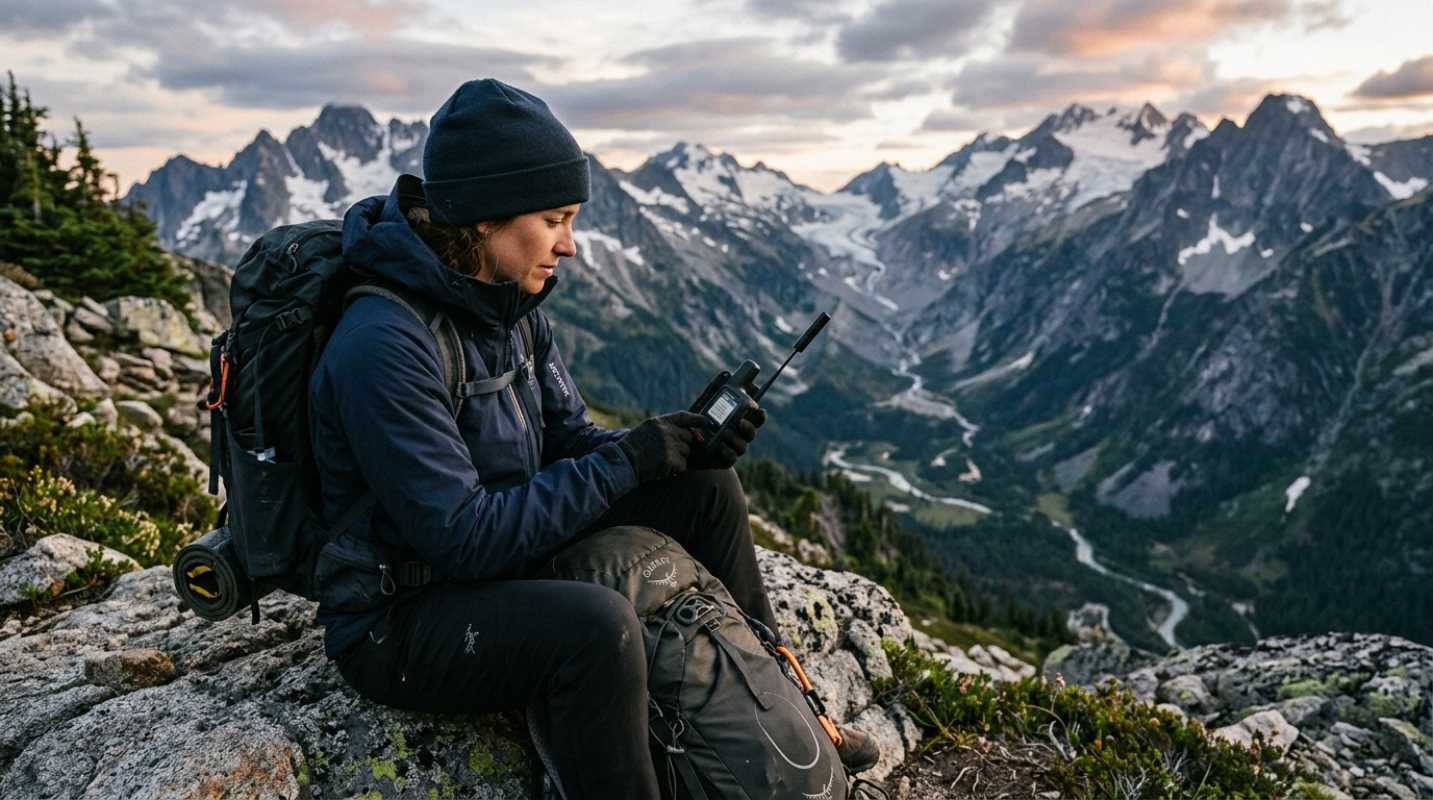
Navigation is important, but communication is vital. The most significant innovation in outdoor tech over the last decade is the integration of GPS navigation with satellite messaging. These devices don't just tell you where you are; they tell your loved ones where you are, and let you call for help if things go sideways.
These communicators use the Iridium satellite network to send and receive text messages from anywhere on Earth. You can text your partner to say you’re running late, or coordinate a pickup with your shuttle driver. Most importantly, they feature an SOS button. Pressing this triggers a distress signal to a 24/7 search and rescue monitoring center, which coordinates your extraction. It is the ultimate insurance policy.
As navigation devices, they are simpler than dedicated handhelds. They often pair with a smartphone app to provide detailed mapping, using the device itself primarily for the satellite connection. This hybrid approach gives you the best of both worlds: the beautiful interface of your phone maps (downloaded for offline use) with the rock-solid, global connectivity of a satellite modem. For solo adventurers, this peace of mind is worth every penny of the subscription fee required to keep the service active.
The Hybrid Radio for the Group Explorer
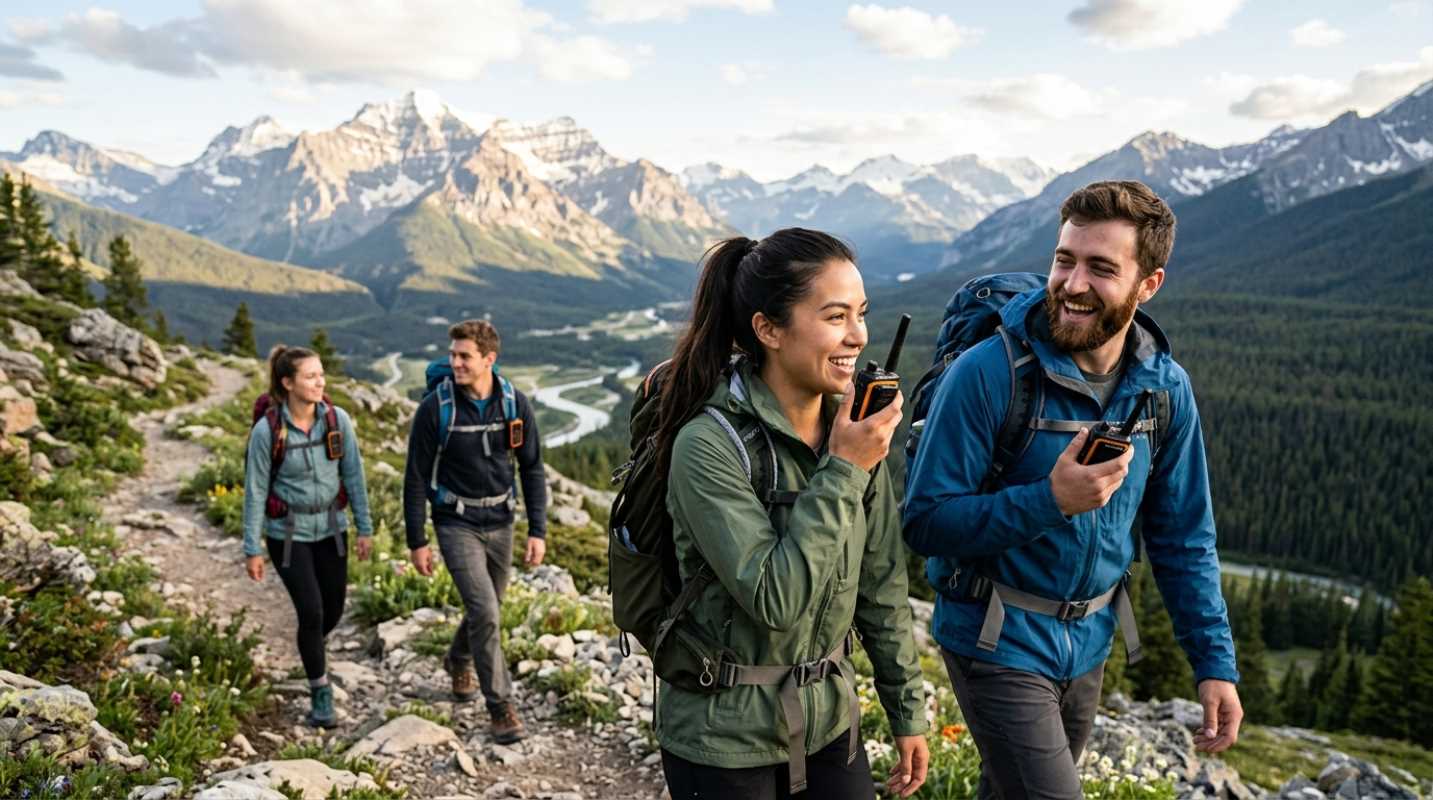
If you are traveling in a group, think hunting parties, ATV convoys, or search and rescue teams, keeping track of yourself is only half the battle. You also need to know where everyone else is. This is where the GPS/Radio hybrid shines. These devices combine a high-sensitivity GPS navigator with a powerful two-way radio (often FRS or GMRS).
The killer feature here is position reporting. When you key the mic to talk to your buddy, the device automatically sends your GPS coordinates to their device. Their screen then updates to show your location relative to theirs. You can see exactly how far away they are and in what direction. No more trying to explain, "I'm by the big rock that looks like a turtle." You just look at the screen and see their icon.
These units are rugged, weather-resistant, and usually feature the same high-quality mapping capabilities as standard handhelds. They are also invaluable for safety. If someone in your group stops moving or doesn't check in, you can see their last known location and navigate directly to them. It turns a group of individuals into a coordinated team.
Choosing a GPS device is about admitting that human intuition is terrible at navigation. We have a natural tendency to walk in circles when we can't see landmarks. A good GPS breaks that cycle. It is a tool of empowerment, allowing you to push further into the unknown with the confidence that you can always find your way back. So, pack your bags, lace up your boots, and get out there. The world is huge, and now you have no excuse for not exploring every inch of it.