 (Image via
There is a distinct thrill in watching the bars on your cell phone dwindle from four, to three, to one, and finally to "No Service." It signifies that you have truly arrived. You have left the realm of push notifications, spam calls, and doom-scrolling behind. You are now in the wild. But as liberating as that digital silence can be, there is a fine line between "getting away from it all" and "being completely unreachable in a crisis."
When you are deep in the backcountry, halfway up a mountain, or crossing an ocean, the ability to communicate is not just a convenience; it is a lifeline. This is where the satellite phone comes in. Unlike your sleek, fragile smartphone that relies on a network of terrestrial towers, a satellite phone looks directly to the heavens. It connects to a constellation of satellites orbiting the Earth to beam your voice or text message from virtually anywhere on the planet.
Buying a satellite phone, however, is not like upgrading your iPhone. You can't just walk into a mall kiosk and sign a two-year contract for unlimited data. The market is niche, the hardware is rugged (and often looks like a brick from 1998), and the service plans can be as complex as international maritime law. If you are planning an expedition where cell service is a distant memory, navigating these choices is critical. Here is your comprehensive guide to choosing the right satellite phone for your remote adventures.
Understand The Difference Between Satellite Networks
The first and most important decision you will make has nothing to do with the phone itself, but rather the invisible network it connects to. Not all satellites are created equal, and choosing the wrong network for your specific destination can leave you with a very expensive paperweight. The two primary players in the handheld satellite phone game are Iridium and Inmarsat, and they operate on fundamentally different technologies.
Iridium uses a constellation of 66 Low Earth Orbit (LEO) satellites. Because these satellites are constantly moving across the sky, they provide true global coverage. You can make a call from the North Pole, the middle of the Sahara, or the depths of the Amazon. If you have a clear view of the sky, you have a signal. However, because the satellites are moving, calls can sometimes drop if the handoff between satellites fails. It’s the network of choice for extreme latitude travelers and those who need guaranteed global reach.
Inmarsat, on the other hand, uses a small number of Geostationary (GEO) satellites that sit in a fixed position high above the equator. Because they don't move relative to the ground, the connection is incredibly stable, once you have a signal, you are unlikely to lose it. The catch is that you need a direct line of sight to the satellite. If you are far north or south (near the poles) or deep in a canyon blocking the equator-facing sky, you might struggle to connect.
- Iridium: Best for pole-to-pole global coverage and deep canyons.
- Inmarsat: Best for stable voice quality and reliability in non-polar regions.
- Globalstar: A regional option that offers excellent voice quality but has spotty coverage areas compared to the big two.
- Thuraya: Primarily covers Europe, Africa, Asia, and Australia; great if you are in those regions, useless in the Americas.
Choosing your network dictates which hardware you can buy, so check the coverage maps carefully against your itinerary.
Prioritize Battery Life And Power Management
In the civilized world, a dead battery is an annoyance. In the wilderness, it is a safety hazard. When you are shopping for a satellite phone, battery life should be near the top of your spec sheet. Unlike smartphones, which burn through power running apps and background processes, satellite phones are relatively efficient. However, searching for a satellite signal consumes a significant amount of energy.
Look for a phone with a standby time measured in days, not hours. A good satellite phone should be able to sit in your pack, powered on and ready to receive a call, for at least 30 hours on a single charge. Talk time is usually much lower, often around 4 to 6 hours, so you need to be disciplined. Most seasoned expedition leaders carry spare batteries. Unlike modern smartphones with their sealed glass bodies, most satellite phones still feature removable batteries. This allows you to swap in a fresh power source instantly rather than waiting for a solar panel to trickle-charge the device.
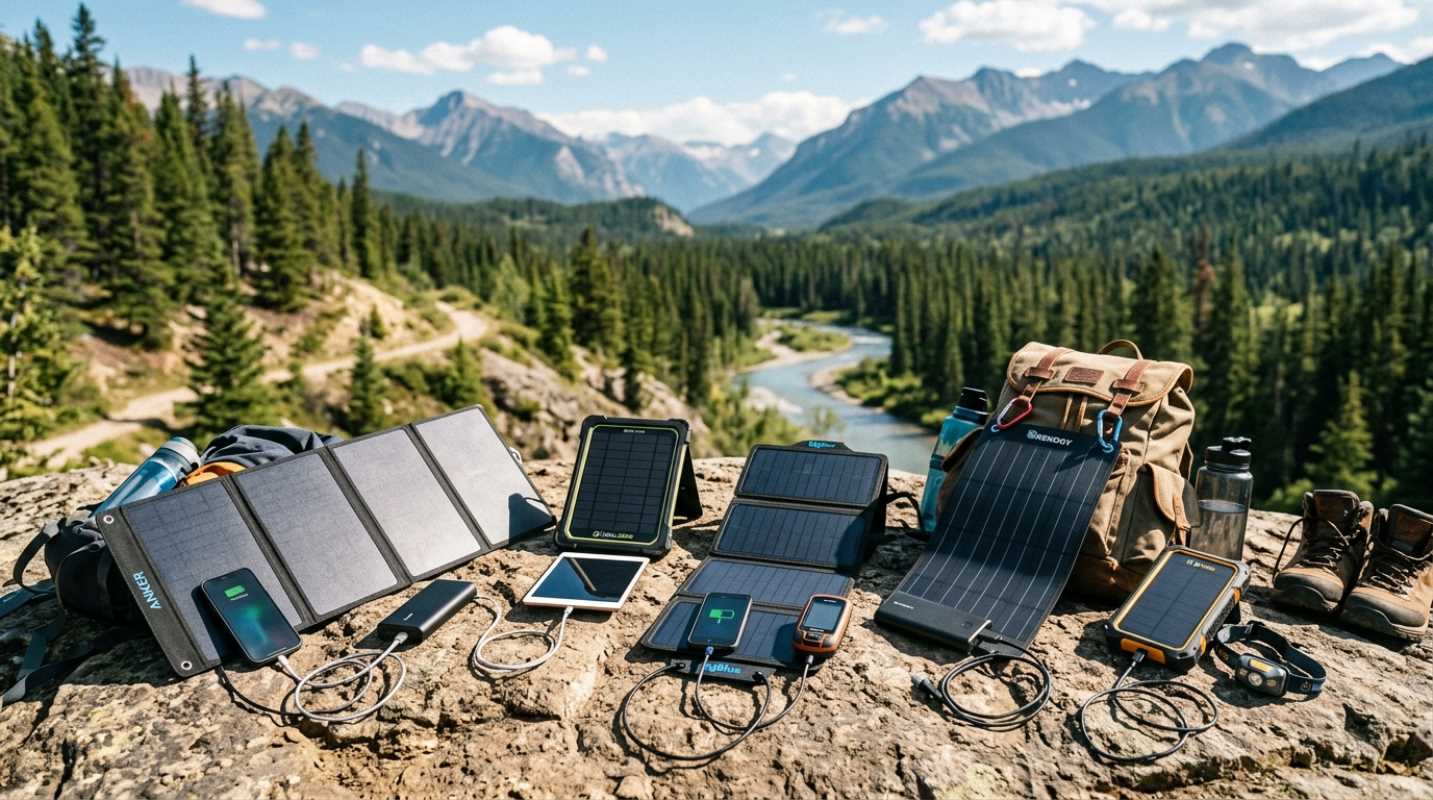
Consider how you will recharge in the field. Does the phone use a proprietary charging cable, or has it finally adopted USB-C? Proprietary cables are a liability; if you lose it or break it, you cannot simply borrow one from a friend. A phone that charges via standard USB can be easily topped up using a portable power bank or a solar panel, integrating seamlessly with the rest of your electronic kit.
Evaluate Durability And Weather Resistance
Let’s be honest: you are not taking this phone to a coffee shop. You are taking it to places that are wet, dusty, cold, and generally hostile to electronics. Your satellite phone needs to be tougher than you are. If it slips out of your frozen fingers and lands on a rock, it needs to survive. If it gets splashed while you are kayaking, it needs to keep working.
Pay close attention to the Ingress Protection (IP) rating. This two-digit number tells you exactly how resistant the device is to dust and water. The first digit (0-6) rates dust protection, and the second (0-9) rates water protection. You want a device with at least an IP65 rating, which means it is dust-tight and can handle water jets. An IP67 or IP68 rating is even better, meaning the phone can withstand submersion.
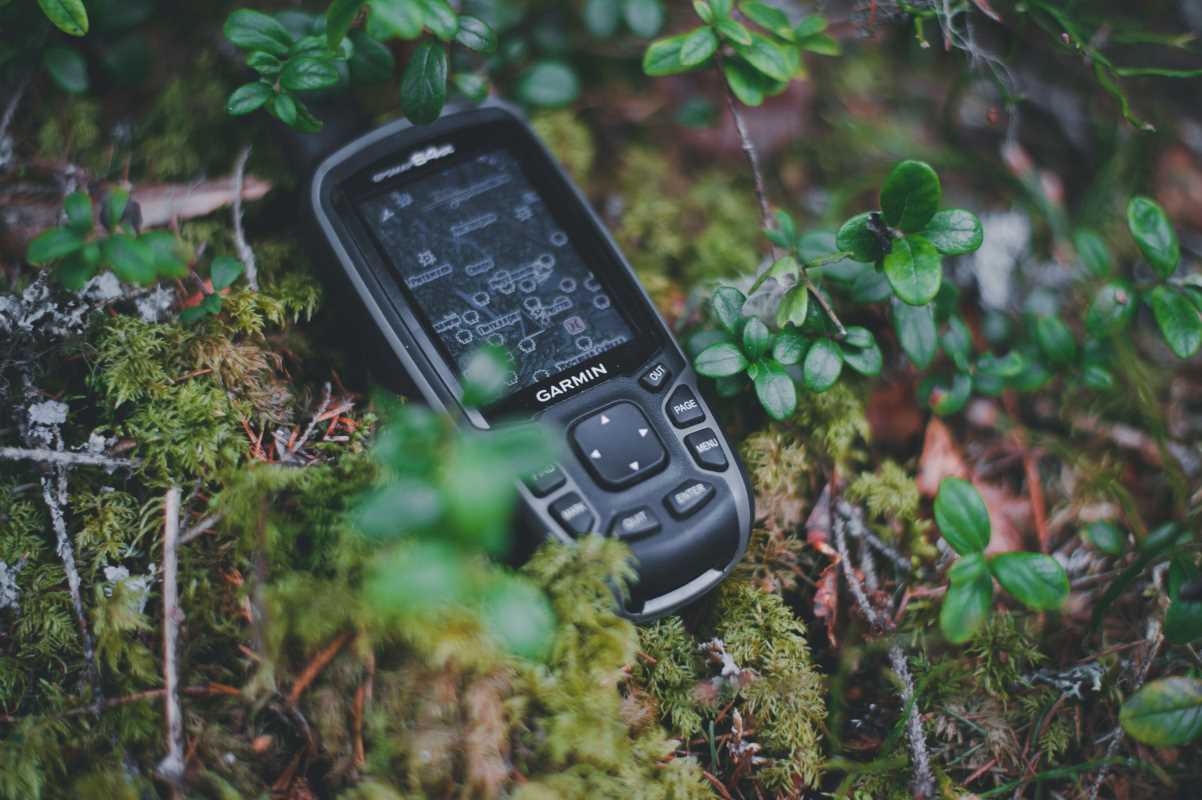
Beyond the IP rating, look at the physical build. Does it have rubberized bumpers to absorb shock? Is the screen recessed to prevent cracking? Are the buttons large and widely spaced? This last point is crucial. If you are wearing thick gloves in a blizzard, you need to be able to dial a number without taking them off. Touchscreens are becoming more common on high-end sat phones, but for pure reliability in extreme conditions, a physical keypad is often superior.
Assess Emergency Features And SOS Capabilities
While you might buy a satellite phone to check in with family or coordinate logistics, its primary function is often as an insurance policy. If things go sideways, a broken leg, a vehicle breakdown, a sudden storm, you need to be able to summon help immediately. Most modern satellite phones come equipped with a dedicated SOS button.
This isn't just a speed dial to 911. When you press the SOS button (which is usually covered by a plastic flap to prevent accidental activation), the phone sends your GPS coordinates and a distress message to a 24/7 international emergency response coordination center, such as GEOS. They will then coordinate with local search and rescue teams to come get you.
Check if the SOS function is programmable. Some users prefer to have the distress signal go directly to a private security team, an expedition support base, or a specific emergency contact rather than the general coordination center. Also, look at the tracking capabilities. Many phones allow you to send automatic "breadcrumbs", GPS waypoints sent at set intervals so people back home can follow your progress on a map. This passive tracking is a huge comfort to loved ones and provides rescue teams with a last known location even if you are unable to trigger the SOS manually.
Budget For Data Speeds And Service Plans
We are spoiled by 5G speeds. Satellite data is a different beast entirely. It is essentially dial-up internet from space. Do not buy a handheld satellite phone expecting to scroll Instagram or watch Netflix. Most handheld units offer data speeds of around 2.4 kbps (kilobits per second). For context, that is significantly slower than the internet was in 1995.
This low bandwidth is sufficient for downloading small GRIB weather files, sending plain text emails, or updating a basic blog. It is not enough for web browsing or sending high-resolution photos. If you need "real" internet for remote work or video streaming, you need a BGAN terminal, which is a laptop-sized device that costs thousands of dollars and requires a heavy data plan.
Speaking of plans, this is where the costs add up. Satellite airtime is expensive. You can choose between prepaid SIM cards (great for one-off trips) or monthly post-paid subscriptions (better for regular users). Prepaid cards often have an expiry period, so be careful not to buy 500 minutes that expire in 30 days if you only need 50. Read the fine print on "unlimited" plans, as they often apply only to texts, not voice minutes. Understanding your data and voice needs before you buy will save you from a shocking bill when you return to civilization.
Buying a satellite phone is an investment in safety and peace of mind. It allows you to push further into the unknown with the confidence that you are never truly alone. By carefully considering the network, durability, power, and costs, you can choose a device that will be a reliable companion on your wildest adventures. So pack your bags, charge your batteries, and go explore the quiet corners of the world.