 (Image via
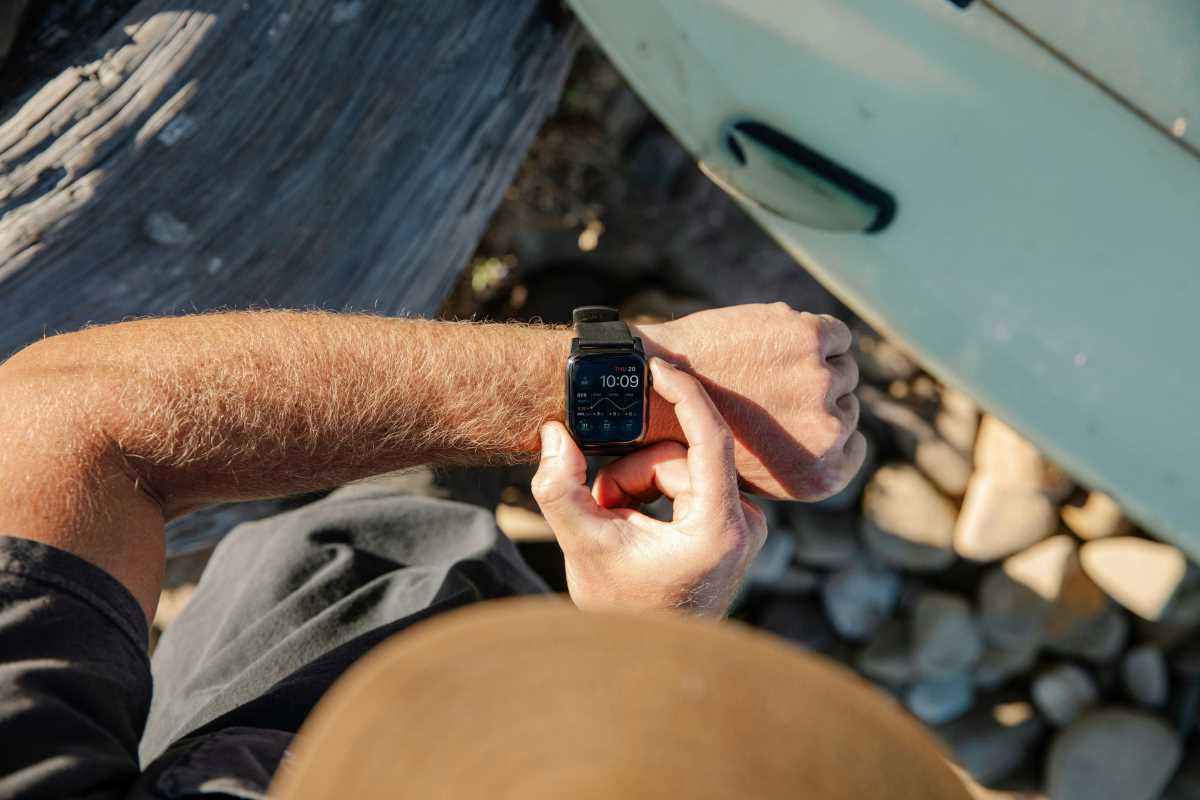
A standard smartwatch is a useful tool for urban life, tracking your steps and delivering notifications to your wrist. But when your adventures take you far from cell towers and paved roads, you need a device forged for a different purpose. The wilderness demands more than just connectivity; it requires uncompromising durability, pinpoint navigation, and life-saving features. Modern adventure smartwatches are not mere gadgets; they are sophisticated instruments engineered for survival.
These rugged timepieces have evolved into mission-critical tools for mountaineers, ultra-runners, and backcountry explorers. They offer robust GPS systems, biometric data that can predict performance, and battery life measured in weeks, not hours. This guide delves into the best smartwatches built for the wild, breaking down the advanced features that separate true expedition-grade hardware from the everyday fitness tracker.
Unbreakable Design
In harsh environments, your watch will inevitably be bashed against rocks, submerged in icy water, and exposed to extreme temperatures. Adventure smartwatches are built to military-grade standards (MIL-STD-810) to withstand these abuses. This certification tests for resistance to shock, vibration, freezing, thawing, and more.
The materials used are critical. Look for cases made from fiber-reinforced polymer for lightweight strength, with bezels and rear covers crafted from titanium or diamond-like carbon (DLC) coated steel for superior scratch resistance. The watch face is equally important. Premium models use sapphire crystal, a material second only to diamond in hardness, making it virtually scratch-proof. The Garmin Fenix 7 Pro Sapphire Solar series is a prime example, combining a titanium bezel with a Power Sapphire lens that not only resists scratches but also contributes to battery life via solar charging.
Precision Navigation
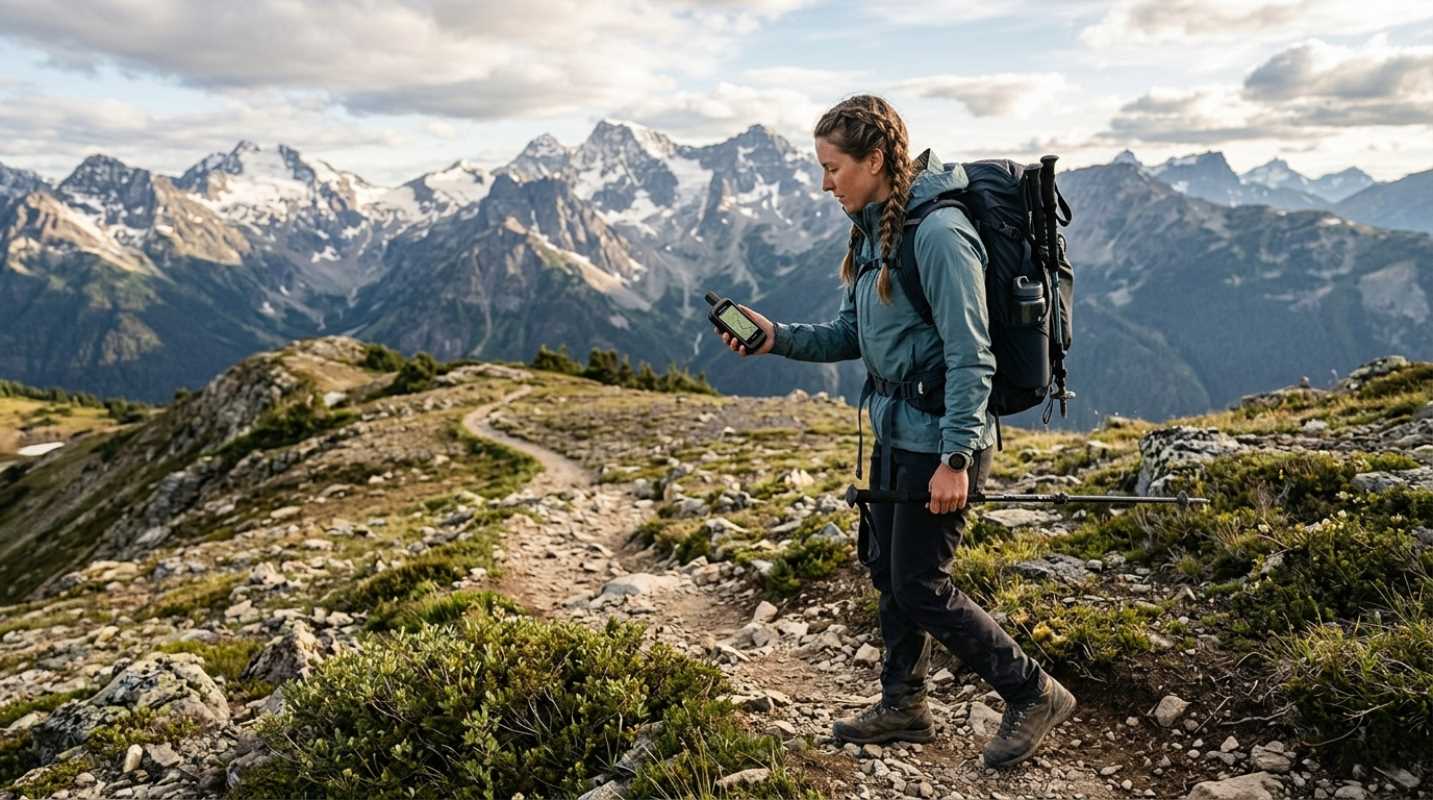
When you are navigating off-trail in a whiteout or deep canyon, standard GPS is not enough. The most reliable adventure smartwatches use Multi-Band GNSS (Global Navigation Satellite System). This technology allows the watch to receive signals from multiple satellite constellations (GPS, GLONASS, Galileo) on multiple frequency bands simultaneously. This filters out "bad" signals that have bounced off canyon walls or dense tree cover, resulting in significantly faster and more accurate positioning.
The Coros Vertix 2S excels in this area, offering dual-frequency satellite tracking that provides reliable location data in the most challenging environments. These watches also come preloaded with topographic (TOPO) maps, which allow you to see contour lines, trails, and water sources directly on your wrist. Advanced models let you overlay weather data or navigate to a specific coordinate, transforming your watch into a powerful, wrist-mounted mapping tool.
Survival Tools on Your Wrist
Beyond navigation, a true adventure watch is packed with sensors and tools to keep you safe and informed. These features provide critical environmental data, helping you make smarter decisions in the field.
ABC Sensors and Environmental Data
The trifecta of Altimeter, Barometer, and Compass (ABC) is a staple of any serious outdoor watch.
- Altimeter: Uses barometric pressure to provide elevation data, helping you track your ascent and descent.
- Barometer: Monitors short-term changes in air pressure. A rapid drop in pressure can indicate an approaching storm, giving you time to seek shelter. Watches like the Suunto Vertical have a storm alarm feature that automatically alerts you to significant pressure changes.
- Compass: A 3-axis compass helps you maintain your bearing even when you are not moving, which is crucial for orienting a map.
Advanced Health and Performance Metrics
Your body is your most important piece of gear, and modern watches provide deep insights into your physical condition. They monitor heart rate, blood oxygen saturation (SpO2), and heart rate variability (HRV). The Garmin epix Pro (Gen 2) uses its Elevate V5 optical heart rate sensor to provide a "Body Battery" score, estimating your energy reserves based on sleep quality, stress, and activity levels. This data helps you decide whether to push for a summit or take a rest day. For high-altitude expeditions, the SpO2 sensor provides an acclimation guide, warning you if your blood oxygen levels are dropping dangerously low.
Extreme Battery Life
In the backcountry, a dead watch is just dead weight. Battery life is arguably the most critical feature of an adventure smartwatch. While a standard smartwatch might last a day or two, expedition models are built for endurance, offering multiple power modes to extend their life for weeks.
The true test is battery life with GPS active. Premium watches can offer 60 hours or more of continuous GPS tracking. For multi-week expeditions, look for models with advanced solar charging capabilities. The Power Sapphire lens on Garmin's solar models can significantly extend battery life. For example, the Garmin Enduro 2 can last up to 150 hours in GPS mode with solar charging. These watches also feature customizable power manager modes, allowing you to disable specific sensors to stretch battery life for over a month in expedition mode.
Gear Integration and Smart Features
While built for isolation, these watches still integrate seamlessly with other outdoor gear and offer useful smart features. They can connect via ANT+ or Bluetooth to external sensors like chest-strap heart rate monitors for more accurate readings or a Garmin inReach satellite communicator.
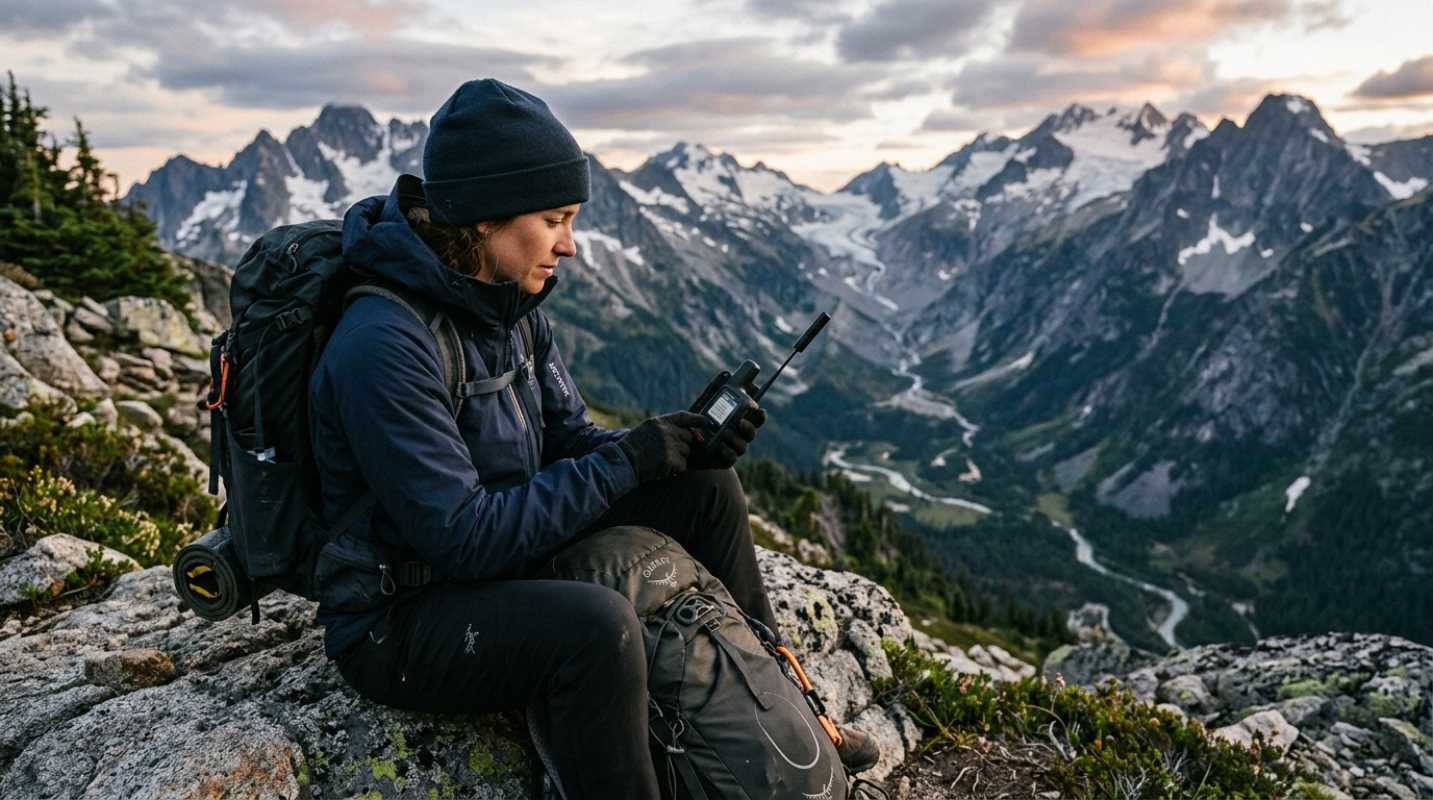
When paired with an inReach Mini, your watch can become a remote control for sending and receiving text messages via satellite or triggering an SOS alert—all from your wrist. This is a game-changing feature for solo adventurers or those in remote areas without cell service.
Furthermore, these watches offer practical features tailored for specific sports. For trail runners, PacePro technology provides grade-adjusted pace guidance. For backcountry skiers, the watch can track your runs and differentiate between your ascent and descent. Even with this rugged focus, they still deliver the smart features you expect, like music storage and contactless payments, so you can grab a meal in a mountain town without needing your wallet.