 (Image via
There is a beautiful irony to modern camping. We drive hours into the wilderness to "disconnect," yet we spend a significant amount of mental energy worrying about how we’re going to keep our devices connected. We want to hear the call of the wild, but we also kind of want to stream a podcast while we cook our freeze-dried stroganoff. And honestly? That is fine. There is no rule book that says suffering is a prerequisite for enjoying nature.
Solar technology has moved far beyond the flimsy garden lights of the early 2000s. Today’s solar gear is rugged, efficient, and surprisingly powerful. It allows you to extend your trips, camp further off the grid, and do it all with a smaller carbon footprint. Whether you are a hardcore backpacker counting every ounce or a "glamper" who refuses to sleep without a white noise machine, there is a sun-soaked gadget for you. Here is a look at the best solar-powered gear to elevate your next outdoor adventure.
Keep Your Communications Alive With Portable Solar Panels
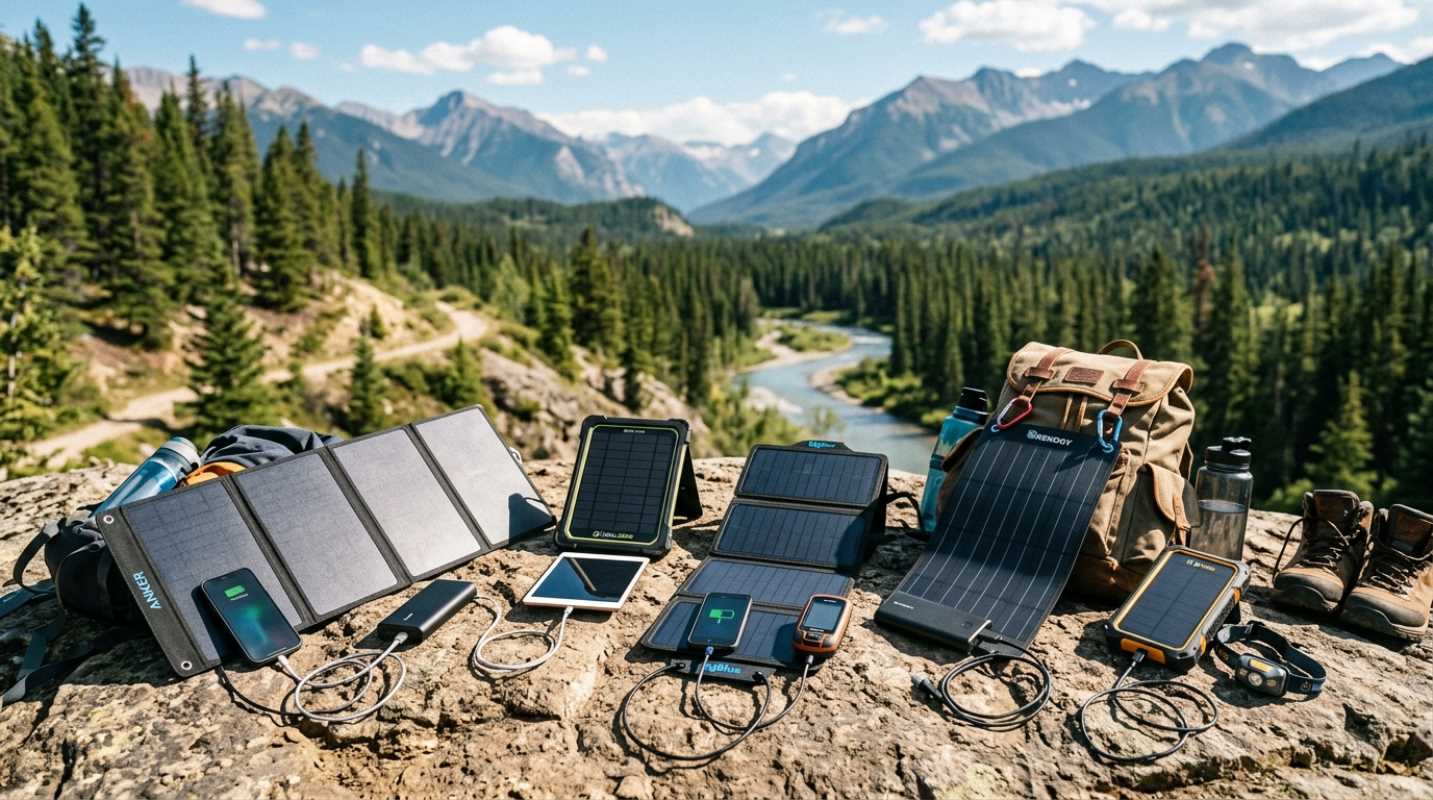
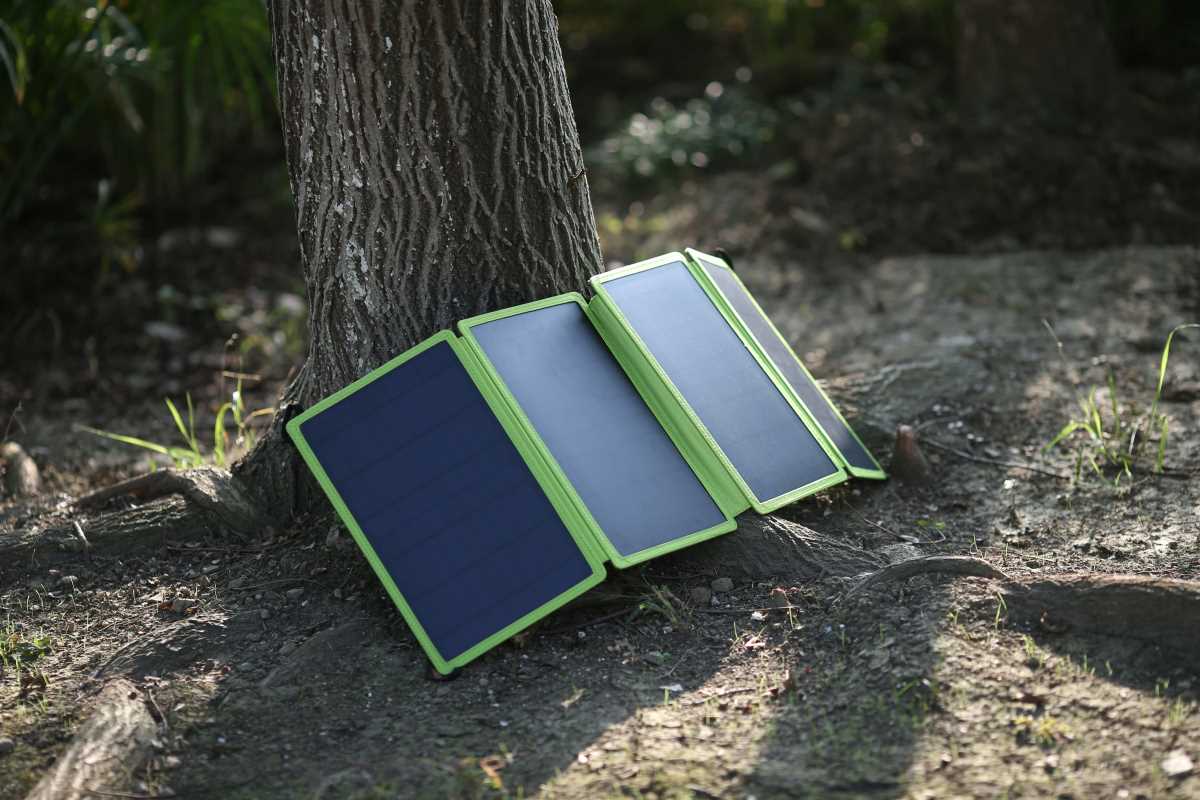
The most fundamental need for the modern camper is keeping the smartphone alive. Yes, purists will scoff, but your phone is your GPS, your emergency beacon, your camera, and your star map. Letting it die is often not an option. For this, a portable solar panel is the first line of defense. We aren't talking about the massive, rigid glass panels you see on rooftops. We are talking about the foldable, flexible, fabric-based panels that can be shoved into a backpack.
The best of these panels feature high-efficiency monocrystalline cells that can squeeze juice out of even partly cloudy skies. Look for models with smart charging technology. This is crucial because standard USB charging can be finicky; if a cloud passes over, some phones will stop charging entirely and won't restart until you unplug and replug them. Smart panels have auto-restart capabilities that handle these interruptions seamlessly.
When choosing a panel, wattage is king. A tiny 5-watt panel might look cute clipped to your backpack while you hike, but in reality, it will take ten hours to charge a modern smartphone. Aim for at least 15 to 20 watts if you want meaningful power in a reasonable amount of time. Pro tip: pair your panel with a portable power bank. Charge the battery pack during the day while you’re out exploring, and then use the battery to charge your phone at night. It is far more efficient and reliable than trying to direct-charge a sensitive device under the fickle sun.
Light Up The Night With Inflatable Solar Lanterns
Once the sun dips below the horizon, the wilderness gets dark. Like, really dark. While headlamps are essential for tasks, they are terrible for ambiance. Sitting around a campfire with a blinding beam of LED light attached to your forehead is not conducive to relaxation. This is where solar lanterns shine, literally.
The true innovation in this space is the inflatable solar lantern. These brilliant little gadgets collapse down to the size of a hockey puck, making them incredibly packable. When you arrive at camp, you blow them up like a pool float, and suddenly you have a lightweight, diffuse light source that creates a warm, inviting glow. Because they are mostly air, they float, making them perfect for late-night swims or kayaking trips.
Most of these lanterns charge fully in about 7 hours of direct sunlight and can run on low settings for up to 24 hours. Many now come with color-changing LEDs, so you can set a mood, red light to preserve night vision, bright white for cooking, or a soft amber for storytelling. Some advanced models even include a USB-out port, allowing the lantern to double as an emergency phone charger in a pinch. They are durable, waterproof, and eliminate the need to constantly buy and dispose of alkaline batteries.
Cook Your Dinner Without Fuel Using Solar Ovens
Cooking at camp usually involves a precarious dance with propane canisters or the smoky uncertainty of a wood fire. But if you have patience and sunlight, you can cook a full meal without striking a single match. Enter the solar oven. These devices look a bit like science fair projects, but they are serious culinary tools capable of reaching temperatures over 500 degrees Fahrenheit.
Solar ovens work by using reflectors to concentrate sunlight into an insulated vacuum tube or box. The result is a slow, even heat that is essentially a crockpot powered by the sun. You can bake bread, roast vegetables, cook stew, or even rehydrate freeze-dried meals without boiling water. Because there is no open flame, you can use them in areas with strict fire bans, which is becoming increasingly important in drought-prone regions.
The beauty of solar cooking is the "set it and forget it" simplicity. You load up your food in the morning, align the oven toward the south, and go for a hike. When you return hours later, a hot meal is waiting for you. It does require a shift in mindset, you can't whip up a quick coffee in five minutes, but for slow-cooking duties, it is unbeatable. Plus, the food never burns because the heat is so consistent. It is eco-friendly cooking at its finest, producing zero emissions and leaving no trace.
Stay Fresh With Solar Pressurized Showers
Let’s be honest: the worst part of camping is the layer of grime that accumulates after day two. There is a romantic notion about being dirty in the woods, but in reality, it just feels sticky and uncomfortable. A solar shower is the bridge between rugged adventure and civilized hygiene.
The concept is simple: a black bag filled with water absorbs heat from the sun, warming the water inside. However, the old "bag hanging from a tree" method relied on gravity and often resulted in a pathetic dribble of lukewarm water. The new generation of solar showers adds a crucial element: pressure.
These modern units use a foot pump or a hand pump to pressurize the tank. This means you get a steady, forceful spray that actually rinses the shampoo out of your hair, rather than just sadly wetting your head. You can wash your dishes, rinse off muddy gear, or take a genuinely refreshing shower.
Here is why upgrading to a pressurized solar shower changes the game:
- Versatility: The spray nozzle allows you to wash hard-to-reach places or spray down your dog before they jump in the tent.
- Temperature Control: Many models have temperature gauges so you know exactly when the water is ready, preventing accidental scalding.
- Water Conservation: The spray trigger means you only use water when you need it, making 2-3 gallons last surprisingly long.
- Multi-Use: It doubles as a water carrier for washing dishes or putting out the campfire.
With a pressurized solar shower, you can go to bed feeling clean, which makes sleeping in a sleeping bag infinitely more pleasant.
Power Your Basecamp With Solar Generators
For those who are car camping, overlanding, or setting up a basecamp for an extended period, a mere phone charger won't cut it. You might need to power a laptop for remote work, run a CPAP machine, keep a portable fridge cold, or recharge drone batteries. This is heavy-duty territory, and it calls for a solar generator.
A solar generator is essentially a massive battery pack paired with high-capacity solar panels. Unlike gas generators, they are silent, fume-free, and require zero maintenance. You don't have to haul jerry cans of fuel or yank on a starter cord until your shoulder dislocates. You simply plug in the panels, and the electrons flow.
Modern solar generators use Lithium Iron Phosphate (LiFePO4) battery chemistry, which is safer and lasts significantly longer than older lithium-ion batteries. They come with a variety of ports, standard AC wall outlets, 12V car ports, and high-speed USB-C PD ports. While the initial investment is higher than a gas generator, the fuel (sunlight) is free forever.
Size matters here. A small 200-watt-hour unit is great for charging small devices, but if you want to run a 12V fridge, you will want something in the 500 to 1000-watt-hour range. The peace of mind that comes from having a silent, renewable power source at your campsite is incredible. You can listen to the birds instead of a combustion engine, all while keeping your beer perfectly chilled.
Solar technology has fundamentally changed how we interact with the outdoors. It allows us to bring the convenience of modern life into the wild without destroying the peace and quiet we went there to find. Whether it’s a tiny lantern or a massive power station, adding a little solar to your kit makes you more self-reliant, more comfortable, and a little bit freer.