 (Image via
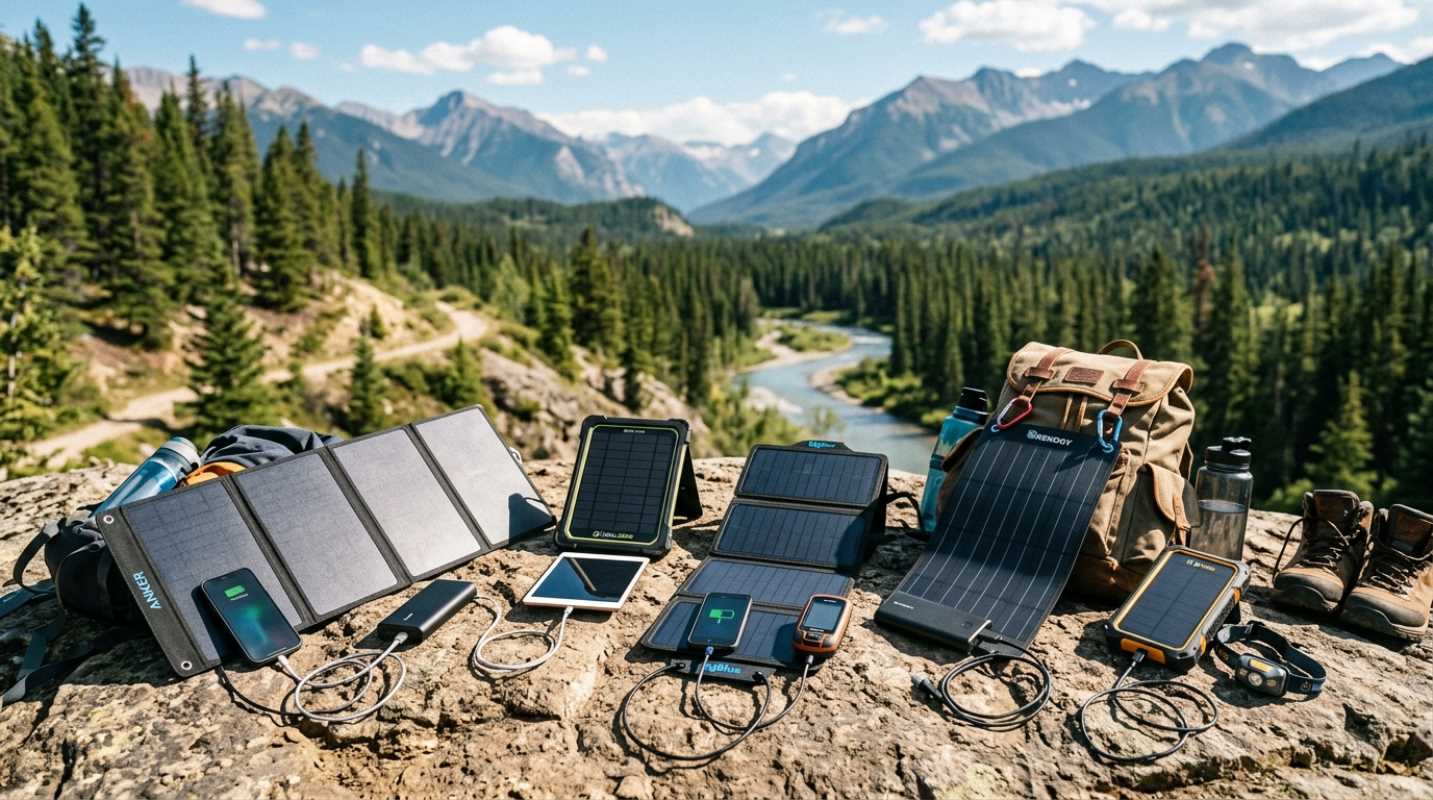
Modern exploration has changed. While the call of the wild remains the same, our backpacks now hum with technology. GPS devices keep us on track, satellite communicators provide a lifeline to the outside world, and headlamps turn night into day. But all this utility hangs by a single, fragile thread: battery life.
A dead battery in the backcountry is more than just an inconvenience; it can be a safety hazard. Relying on a flimsy, gas-station charger is a gamble no serious adventurer should take. You need a power source that can withstand rain, drops, and extreme temperatures while delivering rapid, reliable energy. This guide cuts through the marketing noise to identify the top five portable power banks engineered specifically for the rigors of the outdoors.
1. The Indestructible Titan: Dark Energy Poseidon Pro
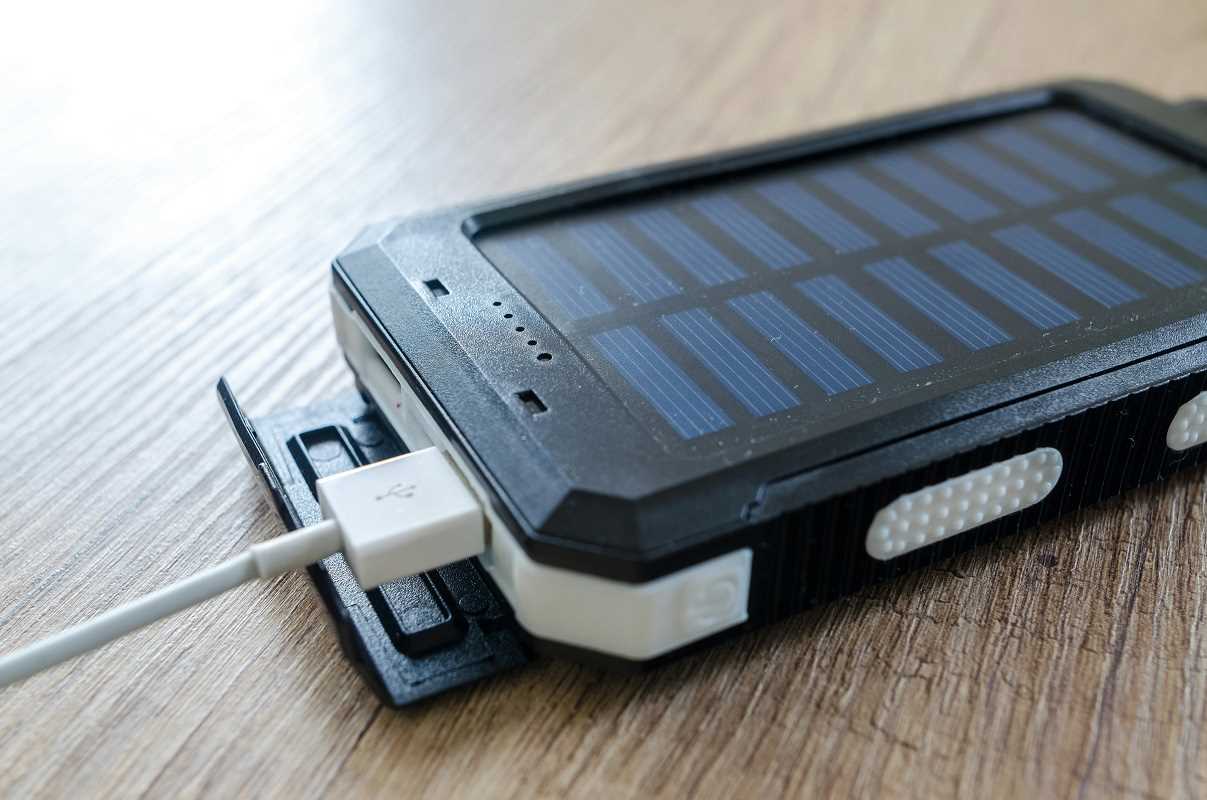
When durability is the only metric that matters, the Dark Energy Poseidon Pro stands alone. This isn't just a battery; it is a piece of survival equipment. Rated IP68, it can be submerged in six feet of water for 45 minutes. Its armor-plated design meets military standard MIL-STD-810G, meaning it can survive a 50-foot drop onto concrete and even a shotgun blast (though we don't recommend testing that feature).
Key Advanced Features:
- Capacity: 10,200 mAh (enough for 2-3 smartphone charges).
- Temperature Resilience: Unlike standard lithium-ion batteries that fail in the cold, the Poseidon Pro is engineered to hold a charge in temperatures from -4°F to 140°F (-20°C to 60°C). This makes it the premier choice for winter expeditions or high-altitude mountaineering.
- Long-Term Storage: It holds a charge for over three years in standby. This makes it perfect for emergency "bug-out" bags or caching in remote locations.
Best For: Hunters, military personnel, and extreme cold-weather adventurers.
2. The Solar Powerhouse: Goal Zero Sherpa 100AC
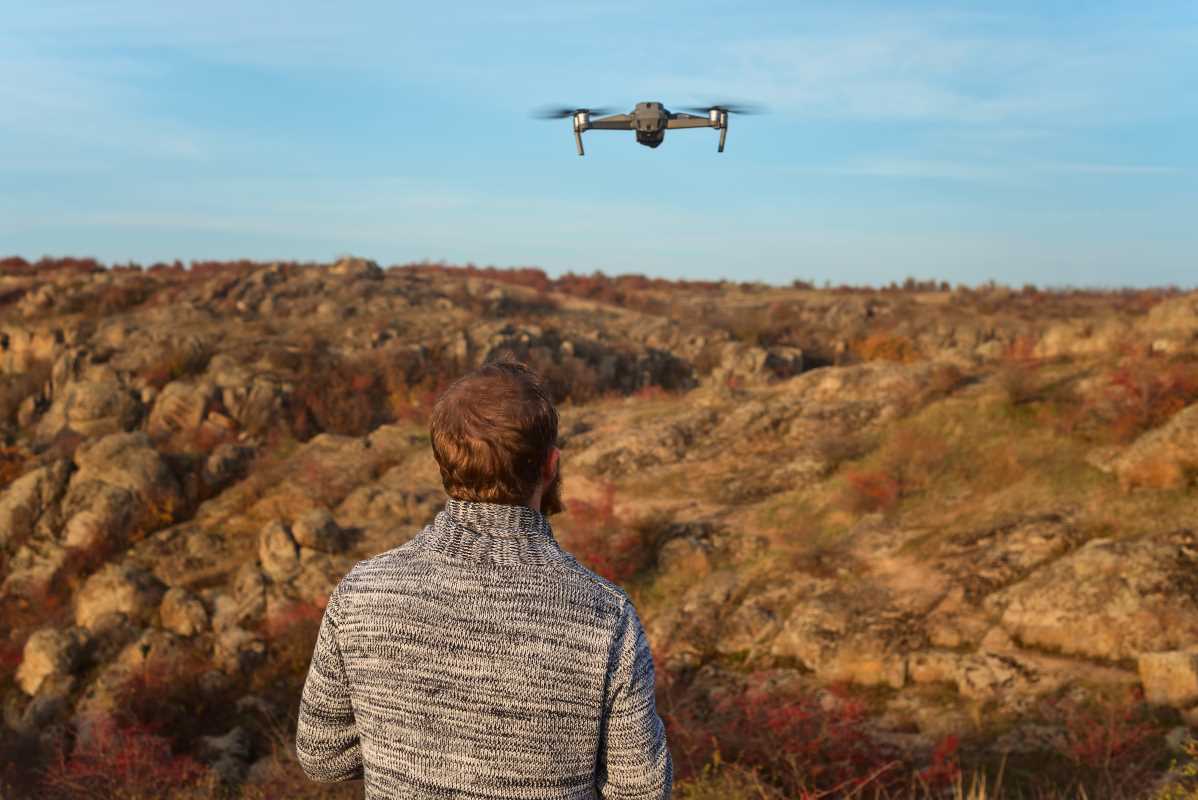
For the digital nomad or the photographer who needs to power a laptop in the wild, the Goal Zero Sherpa 100AC is the gold standard. It pushes the boundaries of what a portable power bank can do by including a full AC inverter. This means you have a standard wall outlet right on the battery, allowing you to charge drones, camera batteries, and laptops directly.
Key Advanced Features:
- Capacity: 25,600 mAh (94.7Wh). This is just under the TSA limit of 100Wh, making it the largest capacity battery you can legally carry on a plane without special permission.
- High-Speed Delivery: It features 60W USB-C Power Delivery (PD) ports, allowing for rapid charging of modern laptops like the MacBook Pro.
- Qi Wireless Charging: The top deck is a wireless charging pad, letting you top up your phone simply by setting it down—one less cable to tangle in your tent.
Best For: Content creators, drone pilots, and remote workers.
3. The Ultralight Champion: Nitecore NB10000 Gen 2
Weight is the enemy of the thru-hiker. Every ounce counts when you are carrying your life on your back for 2,000 miles. The Nitecore NB10000 Gen 2 is a marvel of engineering, utilizing a carbon fiber frame to achieve an impossibly light weight of just 5.29 oz (150g). Despite its featherlight build, it doesn't sacrifice capacity or durability.
Key Advanced Features:
- Carbon Fiber Construction: The shell is made from carbon fiber reinforced polymer (CFRP), a material widely used in aerospace engineering. It provides excellent impact resistance and structural integrity without the weight of metal or heavy plastic.
- Low Current Mode: Many high-capacity batteries shut off automatically when trying to charge low-draw devices like wireless earbuds or smartwatches. The NB10000 has a specialized mode to trickle-charge these small devices safely and effectively.
- Compact Form Factor: It is roughly the size of a standard smartphone but significantly thinner, allowing it to slip unnoticed into a hip belt pocket or a climbing chalk bag.
Best For: Ultralight backpackers, trail runners, and alpinists.
4. The Basecamp Beast: Anker 737 Power Bank (PowerCore 24K)
If you are setting up a basecamp or car camping and need raw, unadulterated power, the Anker 737 is a beast. While slightly heavier than others on this list, it compensates with blistering charging speeds and a massive capacity. Its defining feature is its bi-directional high-speed charging.
Key Advanced Features:
- 140W Output: Using the latest GaNPrime technology and Power Delivery 3.1, it can output up to 140W. This is enough to fast-charge a laptop and a phone simultaneously at full speed.
- Smart Digital Display: Unlike vague LED dots, the 737 features a detailed digital screen. It shows you the exact percentage remaining, the real-time input/output wattage for each port, and the estimated time until full recharge. This data is invaluable for managing your power budget in the field.
- ActiveShield 2.0: This proprietary technology monitors temperature 3 million times per day to prevent overheating, a crucial safety feature when dealing with such high-wattage transfers.
Best For: Group camping, basecamps, and power-hungry users.
5. The Versatile Survivor: BioLite Charge 80 PD
BioLite has built a reputation on innovative energy solutions, and the Charge 80 PD fits perfectly into their ecosystem. It is designed with a focus on form factor and rugged usability. The chassis is wrapped in a durable, grippy rubberized coating that feels secure in gloved hands and won't slide off uneven rocks.
Key Advanced Features:
- Capacity: 20,000 mAh. This sits in the "sweet spot" of capacity versus weight, offering multiple charges for tablets and phones without being overly bulky.
- Passthrough Charging: This essential feature allows you to charge the power bank from a solar panel or wall outlet while simultaneously charging your devices plugged into the battery. It effectively turns the battery into a power hub.
- Color-Coded Ports: In low-light conditions inside a tent, fumbling with cables is frustrating. The high-visibility port design makes it easy to identify the USB-C PD port from the standard USB-A ports.
Best For: General hiking, camping, and BioLite ecosystem users.