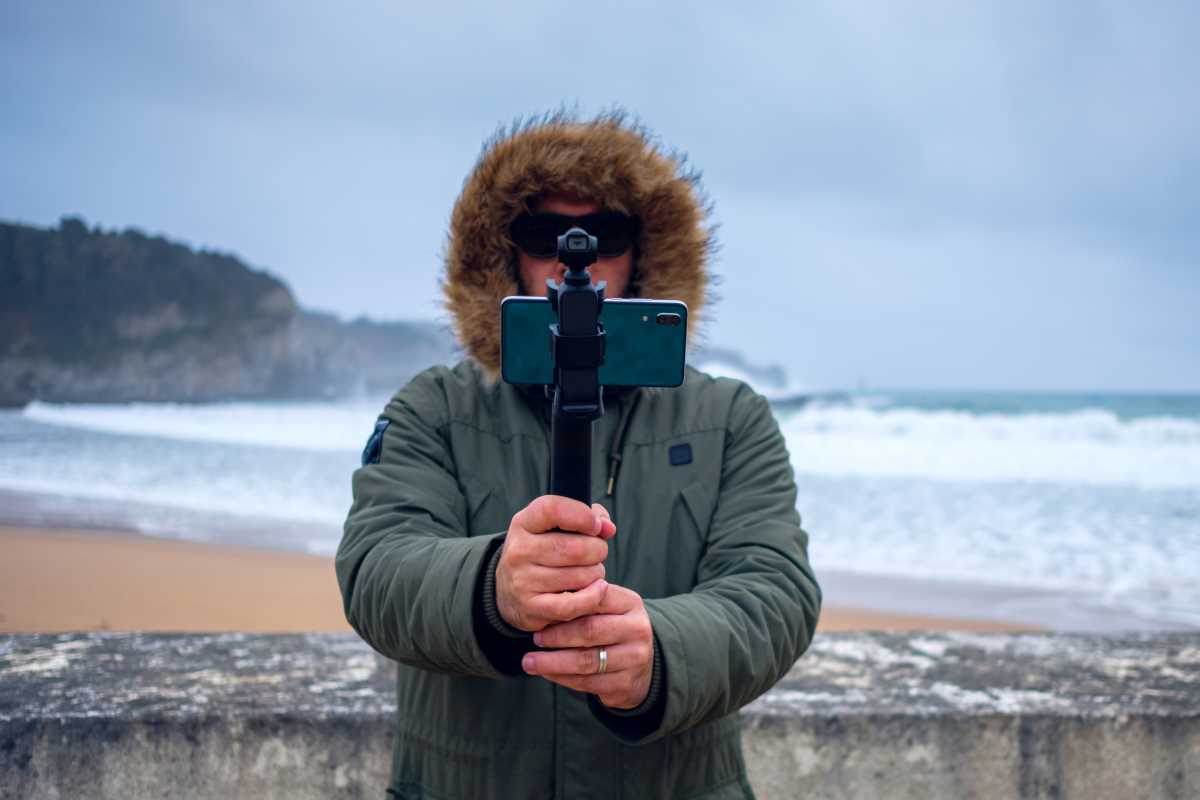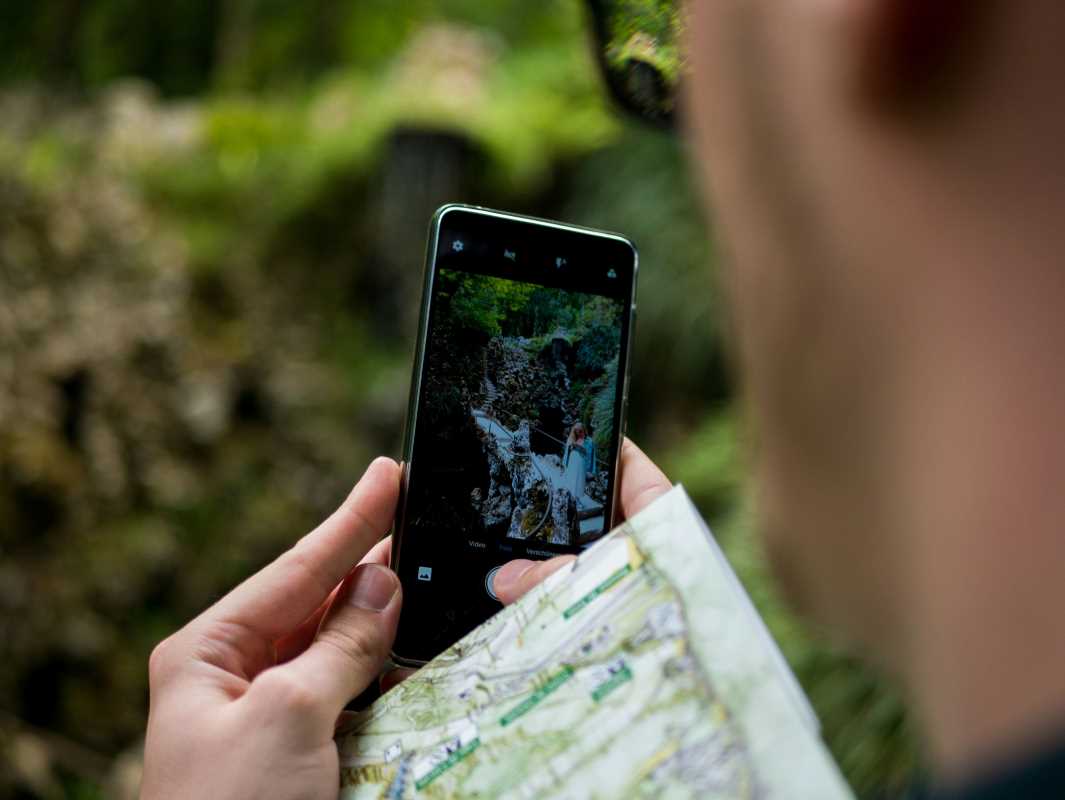
Remember when camping meant completely disappearing from the grid? For most of us, those days are gone. We now rely on our phones for GPS mapping, emergency communication, and taking photos. This shift toward digital independence means your safety and comfort depend on keeping those batteries green.
But what happens when you are three days into a deep backcountry hike and your portable battery bank runs dry? Relying on pre-charged power banks alone is a major gamble. Once they are empty, they are just heavy paperweights.
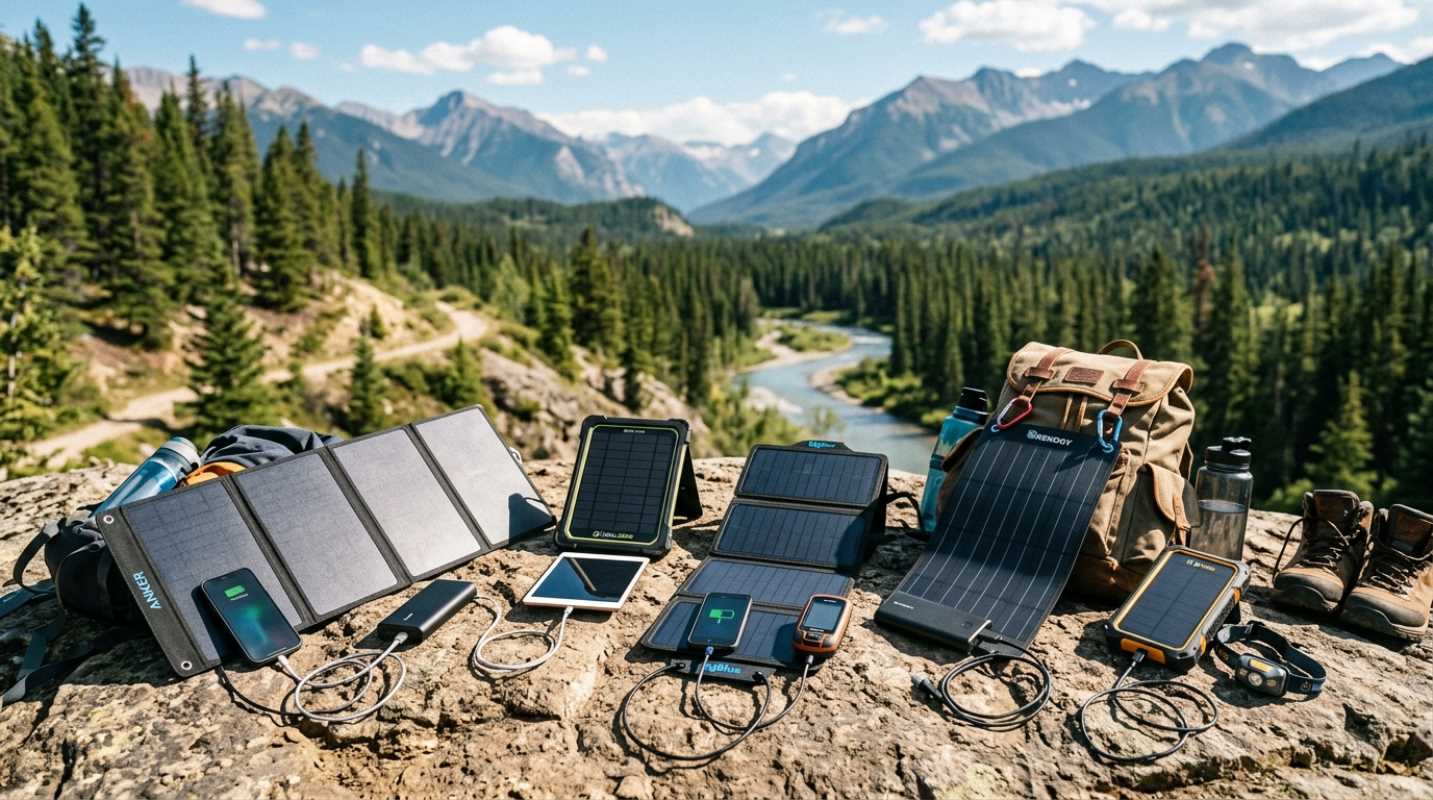
That is where portable solar chargers come in. Having a reliable solar panel strapped to your pack changes everything. It gives you the peace of mind to stay out longer without worrying about a dead phone screen.
What to Look for in a Solar Panel for Camping
Before buying the first solar panel you see online, you need to understand what makes a panel actually work in the woods. Not all solar cells are created equal. In fact, buying the wrong tech can leave you stranded with a dead battery.
First, look at the cell type. You have two main choices
• Monocrystalline cells: These are cut from a single, pure silicon crystal and are the gold standard. They offer 20% to 26% efficiency, meaning they generate more power in a smaller footprint and perform much better on cloudy days.¹
• Polycrystalline cells: These are made from melted silicon fragments and only reach about 15% to 17% efficiency. They are bulkier, less efficient, and rarely worth the weight for camping.
Next, check the outer protective coating. Cheap panels use PET coatings, which scratch easily and turn yellow under UV light within a couple of years. High-quality panels use ETFE laminates. ETFE has 95% light transmittance, resists UV damage, and lasts up to ten years.
You also have to weigh portability against power output. A heavy 100-watt panel is perfect if you are car camping, but it is a nightmare if you are carrying everything on your back. For backpacking, a lightweight 20-watt to 30-watt foldable panel is usually the sweet spot.
Top 5 Portable Solar Chargers for 2026
Let's look at the best portable solar chargers on the market today. These models have been thoroughly tested for durability, charging speed, and real-world reliability.
1. Anker SOLIX PS30 (Best Overall)
Anker is a giant in the charging world, and this 30W foldable panel is an exceptional choice for most campers. Weighing 2.4 pounds, it strikes a great balance between weight and power output. It features built-in USB-A and USB-C ports, and you can easily clip it to your backpack with the included carabiners to charge your gear on the move.²
• Pros: Fast charging speeds, dual-port convenience, and a highly durable design.
• Cons: A bit too heavy for minimalist, ultra-light backpackers.
2. BigBlue SolarPowa 28 (Best Value and Portability)
This 28W panel is a classic favorite for hikers who want reliable power without a high price tag. At just 1.3 pounds, it is incredibly lightweight and folds down to the size of a notebook. Its standout feature is an auto-restart function. If a cloud passes over and breaks the connection, the panel automatically resumes charging once the sun returns, so you do not have to manually replug your phone.¹
• Pros: Very lightweight, highly weather-resistant, and smart auto-restart tech.
• Cons: No built-in battery, so you must connect a device or external power bank directly.
3. Jackery SolarSaga 100 (Best for Mid-Sized Power Stations)
If you are car camping or overlanding, this 100W workhorse is the gold standard. It features high-efficiency cells and built-in kickstands to help you angle the panel directly toward the sun. Although it is built to pair with Jackery portable power stations, it also has USB-A and USB-C ports to charge your phone or laptop directly.²
• Pros: High 23% conversion efficiency, durable ETFE lamination, and easy-to-use kickstands.
• Cons: At over 9 pounds, it is far too bulky for backpacking.
4. BLAVOR 10W Solar Power Bank (Best Budget and Ultra-Lightweight)
This is not a pure solar panel, but a power bank with a small 10W solar panel attached.³ It is perfect for weekend trips or emergency kits. You get a built-in 10,000mAh to 20,000mAh battery that you can charge at home, with the solar panel acting as a backup charger when you are off-grid.
• Pros: Very inexpensive, dual-purpose design, and includes a built-in flashlight.
• Cons: The small 10W panel takes several days of direct sun to fully charge the internal battery.
5. Renogy 200W Foldable Solar Panel (Best High-Power Value)
Need to power a laptop, portable fridge, or a large battery station at a base camp? This 200W foldable panel delivers massive power for a reasonable price. It is waterproof and rugged enough to handle rough weather, making it ideal for RVs and long-term off-grid setups.⁴
• Pros: Excellent price-to-power ratio and IP65 waterproofing.
• Cons: Weighs 17.6 pounds and has a shorter warranty than rigid home panels.
Optimizing Your Solar Setup for Maximum Yield
Buying a great panel is only half the battle. If you just toss it on the ground in the shade, you will get virtually zero power. To get the most out of your setup, you need to know how to work with the sun.
Always angle your panels directly toward the sun. A panel flat on the ground can lose up to 50% of its potential output. Adjust the angle every few hours as the sun moves across the sky to keep your charging speeds high.
Another important tip is to charge a portable power bank instead of plugging your phone directly into the panel. Direct solar power fluctuates constantly as clouds pass by, which can confuse your phone and cause it to stop charging. Charging a power bank first acts as a buffer, storing the energy smoothly so you can charge your devices safely later.
Keep in mind that real-world solar output rarely matches the advertised rating. Because of atmospheric haze and heat, most panels output about 80% to 85% of their rated capacity, even on clear days. If you are using a larger system over 200W, make sure to use an MPPT charge controller, which is 20% to 30% more efficient at harvesting energy than older PWM controllers.⁵
Stay Powered and Stay Connected
Going off-grid does not have to mean losing touch with the world or risking your safety with dead devices. With modern solar technology, you can generate clean, reliable power anywhere the sun shines.
Investing in a high-quality solar charger is one of the smartest upgrades you can make for your outdoor gear kit. Whether you need a tiny backup power bank for peace of mind or a massive folding panel for an off-grid base camp, there is a perfect option for your style of adventure.
Pack your bags, grab your solar panel, and head out into the wild. You will have all the power you need right at your fingertips.
Sources:
1. solarreviews.com
https://www.solarreviews.com/blog/best-solar-powered-phone-chargers
2. cnet.com
https://www.cnet.com/home/solar/best-portable-solar-panels/
3. outdoorgearlab.com
https://www.outdoorgearlab.com/topics/camping-and-hiking/best-solar-power-bank
4. offgridsource.com
https://offgridsource.com/blogs/news/best-solar-panels
5. solartechonline.com
https://solartechonline.com/blog/off-grid-solar-system-complete-guide/