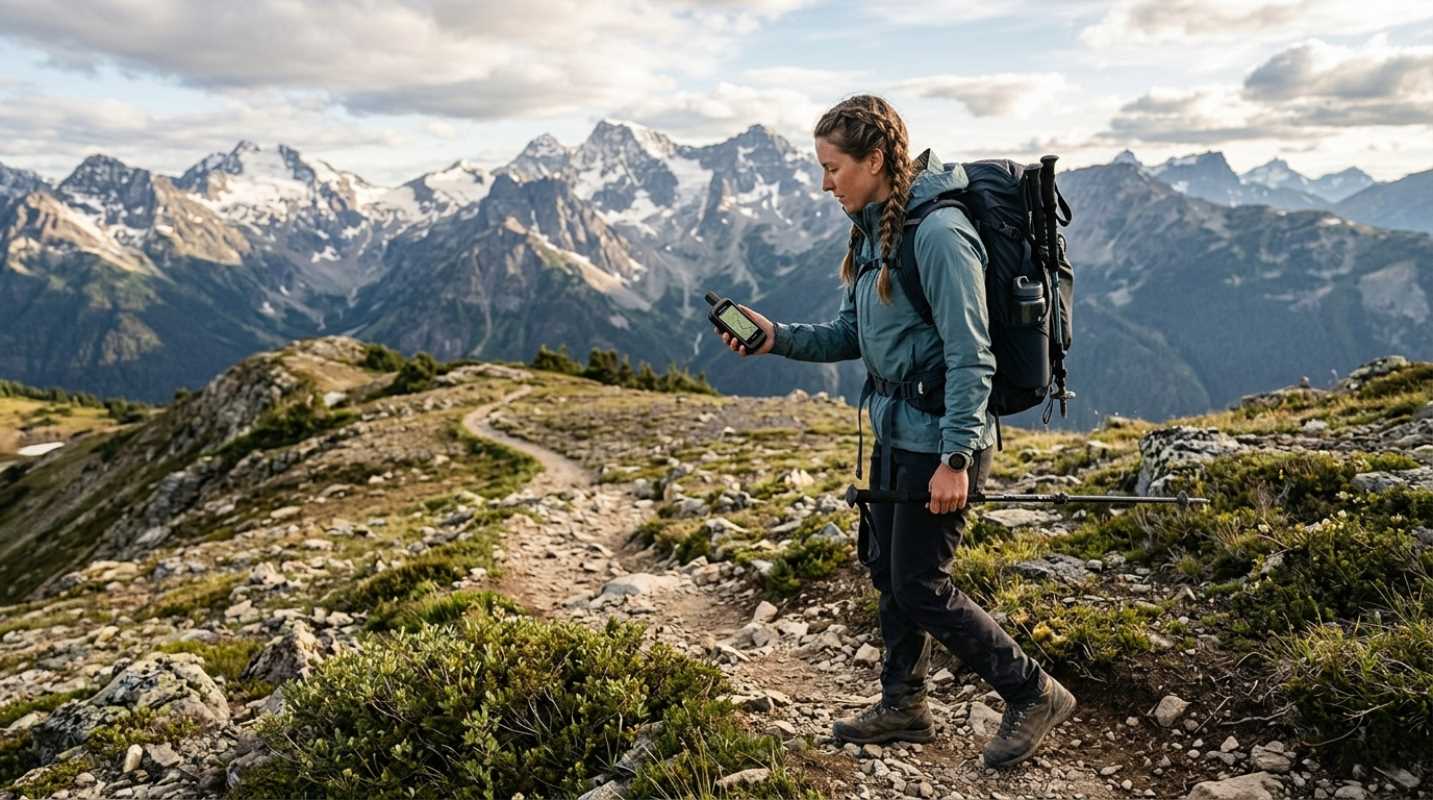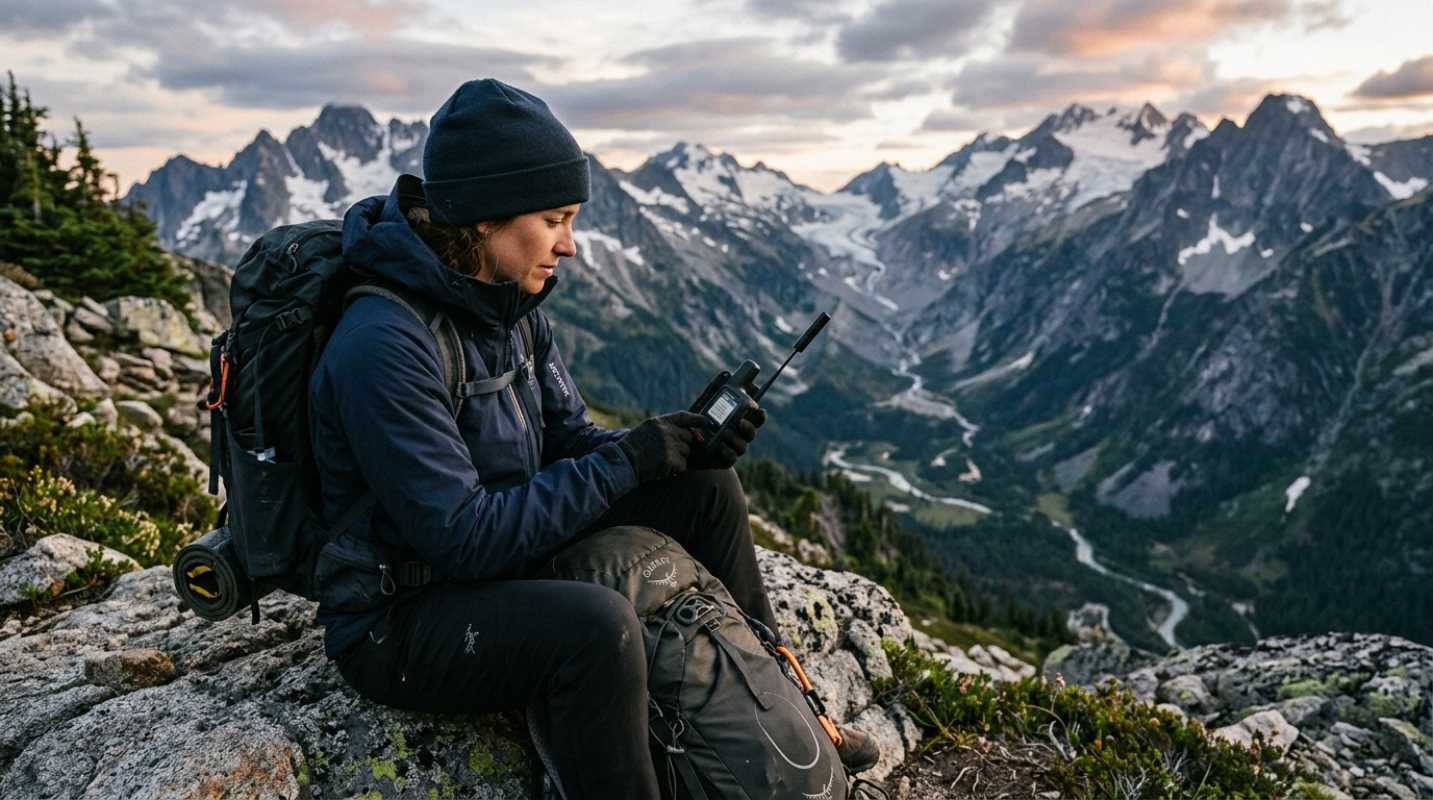
You are deep in the backcountry, hours from the nearest trailhead. The air is crisp, the views are stunning, and your phone has zero bars. Suddenly, you misstep on a loose rock and twist your ankle. You try to open your maps or send a quick text, but nothing goes through.
Have you been there? It is a scary feeling. Relying on your everyday smartphone in these situations is a dangerous gamble.
Many people think their new phone has satellite capabilities, so they are fully covered. Although modern smartphones have basic satellite SOS features, they are not built for harsh wilderness realities. A true safety device is different. It has a real antenna, a tough casing, and a battery that lasts for weeks, not hours.
A dedicated satellite communicator is your ultimate insurance policy. It is built to do one job: keep you alive when everything else fails.
What to Look for Before You Buy
Before you run out and buy the first device you see, you need to know what features actually matter. It is easy to get distracted by fancy screens, but your life might depend on this tool.
Here are the main things you should look for
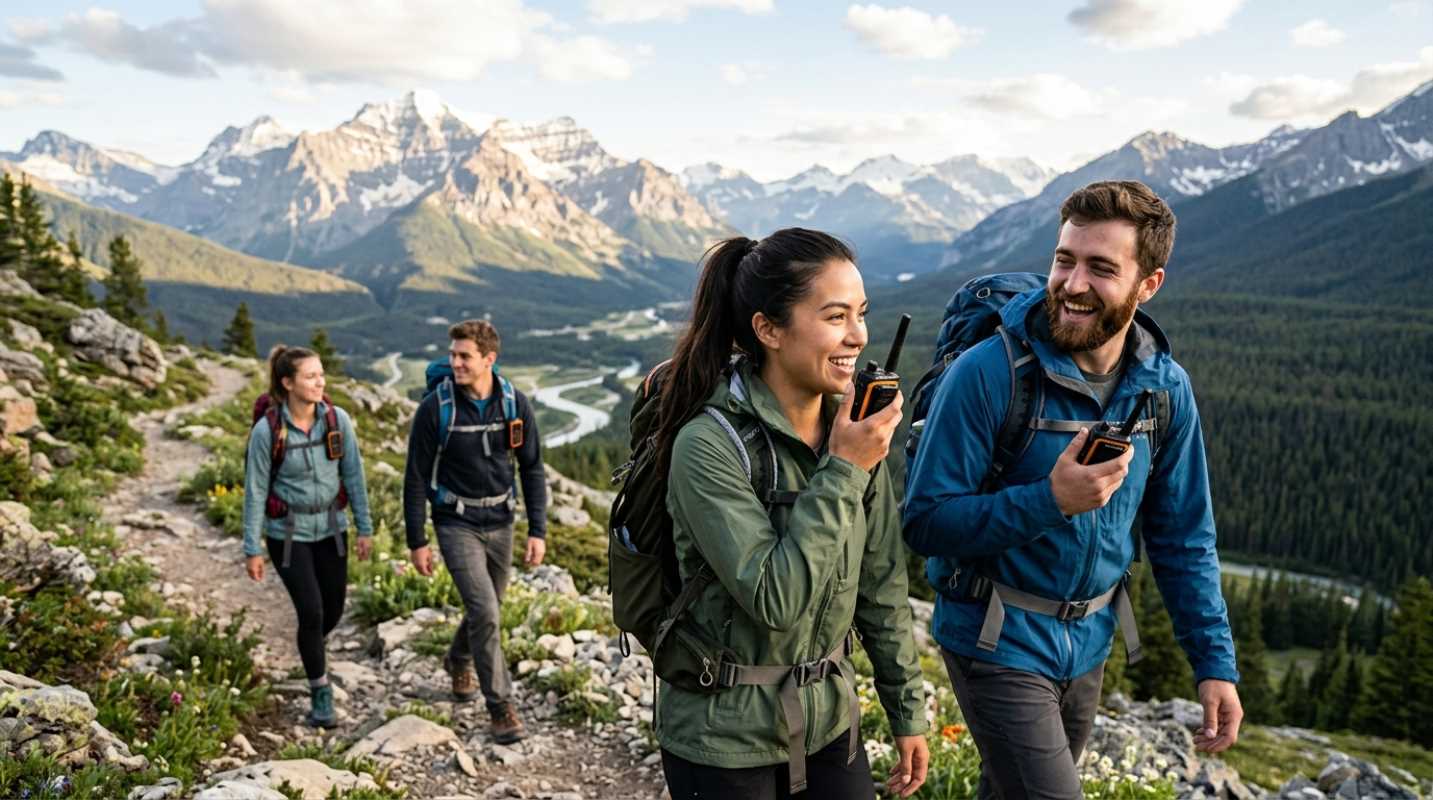
• Two-way messaging: You need to be able to text back and forth with rescuers or family. Sending a one-way message is fine, but knowing help is actually on the way is a game-changer.
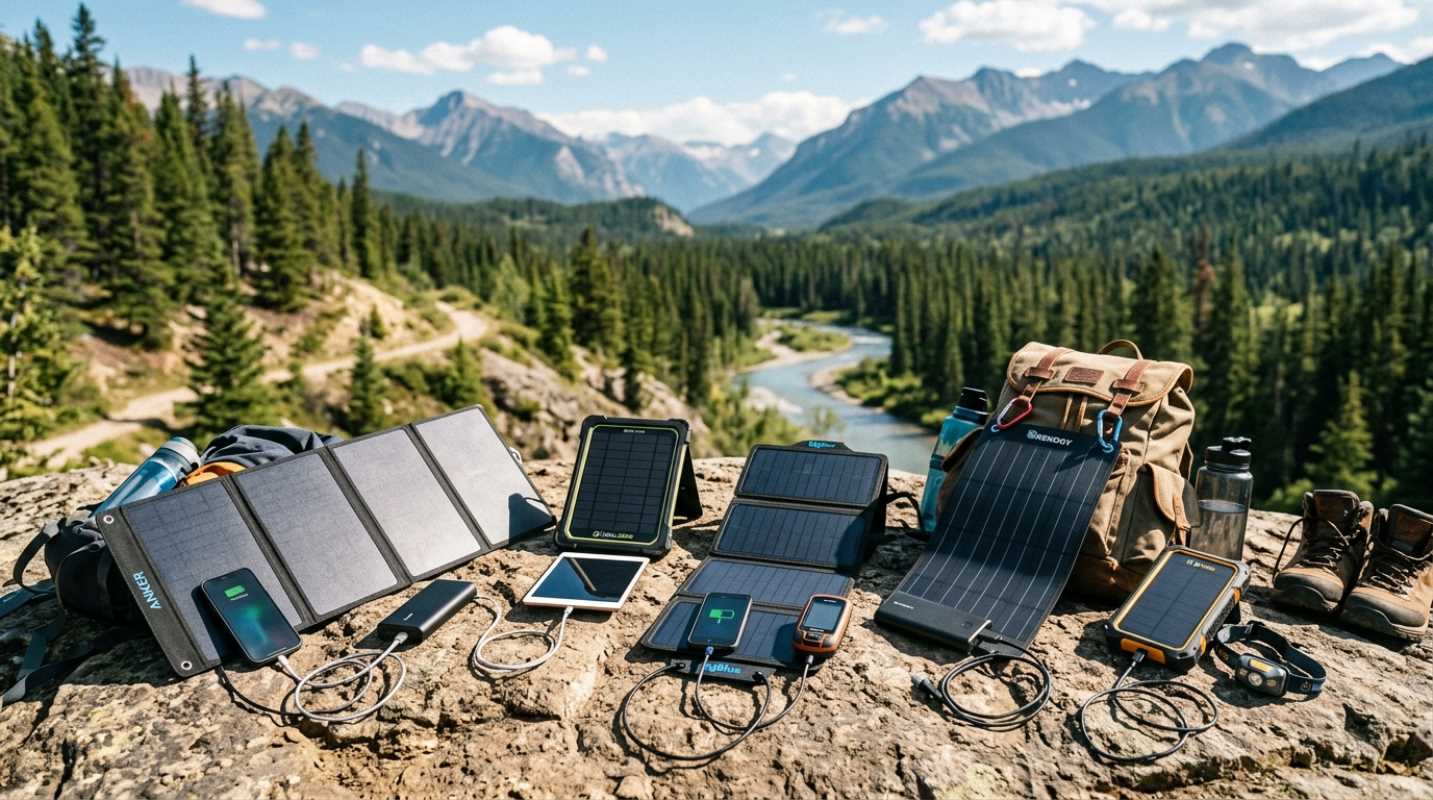
• Battery life: A dead device is just extra plastic in your pack. Look for something that can run for at least a week of regular tracking without needing a charge.
• Satellite network: The network your device uses dictates how fast your messages go through. The Iridium network has global coverage from pole to pole, which means fewer dropped messages in deep valleys.¹
• Subscription costs: You will pay a monthly fee to keep your device active. Some brands let you suspend your service when you are not hiking, while others charge a small monthly fee to keep your SOS active.
You also need to balance weight with ruggedness. If you are on a long thru-hike, every ounce matters. But if you are heading into extreme cold, you want physical buttons you can press while wearing thick gloves.
Top Picks The Best Emergency GPS Messengers of 2025
Let's look at the best options available right now. The market has changed a lot recently, with devices getting lighter and adding features like voice memos and photo sharing.⁴
Here are the top devices you should consider for your next trip
• Garmin inReach Messenger Plus: This is the best overall choice for most backpackers.² It costs $400 and weighs only 4.1 ounces.² It uses the fast Iridium Certus network, which lets you send photos and voice memos in seconds.² Plus, it has a reverse charging feature that lets you use its battery to give your dead smartphone a quick boost.²
• Garmin inReach Mini 3 Plus: If you want a premium, standalone device, this is it.³ Released in late 2025, it costs $500 and features a bright 1.9-inch color touchscreen.³ The best part is the on-screen keyboard, which lets you type custom messages right on the device without needing your phone.³ It also has a built-in safety siren to help rescuers locate you.
• ZOLEO Satellite Communicator: This is the best budget choice for weekend hikers. It costs $150 and has a dedicated phone number, so your family can text you easily. It automatically switches between cellular, Wi-Fi, and satellite networks to save you money. The downside is that it has no screen, so you must use your smartphone to type messages.
• ACR ResQLink View: This is a personal locator beacon, not a messenger.⁵ It costs $470 and has no monthly subscription fees.⁵ It uses a military satellite network to send an incredibly strong signal in life-or-death emergencies.⁵ It is perfect if you want to unplug completely but still need a reliable emergency button.
Pro Tips for Staying Connected When Off the Grid
Once you choose your device, you need to know how to use it properly. You do not want to learn how your communicator works while you are shivering in a rainstorm.
First, always test your device before you leave home. Send a quick check-in message from your backyard to make sure your subscription is active and the device is working. It sounds simple, but you would be surprised how many people forget this step.
Second, manage your battery consumption wisely. Extreme cold can drain your battery fast, so keep your communicator in an inside pocket close to your body heat. Turn off continuous tracking if you are running low on juice, and only power the device on when you need to send a message.
Finally, use your check-in features to keep your loved ones happy. Most plans offer unlimited or cheap check-in messages. Set up a quick message so your family knows you are okay without eating into your monthly message limit.
Final Verdict Investing in Peace of Mind
A dedicated emergency messenger is not just another piece of gear. It is a safety tool for anyone who steps off the paved path.
So how do you choose?
• The Ultralight Backpacker: Go with the standard Garmin inReach Messenger. Its 28-day battery life means you can leave your heavy power banks behind.
• The Solo Explorer: Spend the extra money on the Garmin inReach Mini 3 Plus.³ Being able to type a message directly on the screen when your phone is dead is a lifesaver.
• The Weekend Warrior: Grab the ZOLEO. It is affordable, easy to use, and perfect for keeping in touch with family.
No matter which device you choose, buy one before your next trip. It gives you the freedom to explore remote areas with the peace of mind that help is always within reach.
Sources:
1. Backpacking Light
https://backpackinglight.com/gear-guide-satellite-messaging-devices-messengers/
2. OutdoorGearLab - Garmin inReach Messenger Plus Review
https://www.outdoorgearlab.com/reviews/camping-and-hiking/personal-locator-beacon/garmin-inreach-messenger-plus
3. GPS Trailmasters - Garmin inReach Mini 3 Plus
https://www.gpstrailmasters.com/garmin-inreach-mini-3-plus-1-9/
4. Backpacker - Best Satellite Communicators
https://www.backpacker.com/gear/outdoor-electronics/best-satellite-communicators/?scope=anon
5. OutdoorGearLab - Best Personal Locator Beacon
https://www.outdoorgearlab.com/topics/camping-and-hiking/best-personal-locator-beacon